Raif Muhanna: The Man Who Made the Earth's Weight a Roof for Hope
رئيف مهنّا: الرجل الذي جعل ثِقَلَ الأرض سقفًا للأمل
Imad's tribute, in Arabic and English, to an architect who turned the local basalt of southern Syria into vaulted schools.
By Architect Imad Darouich6 min read
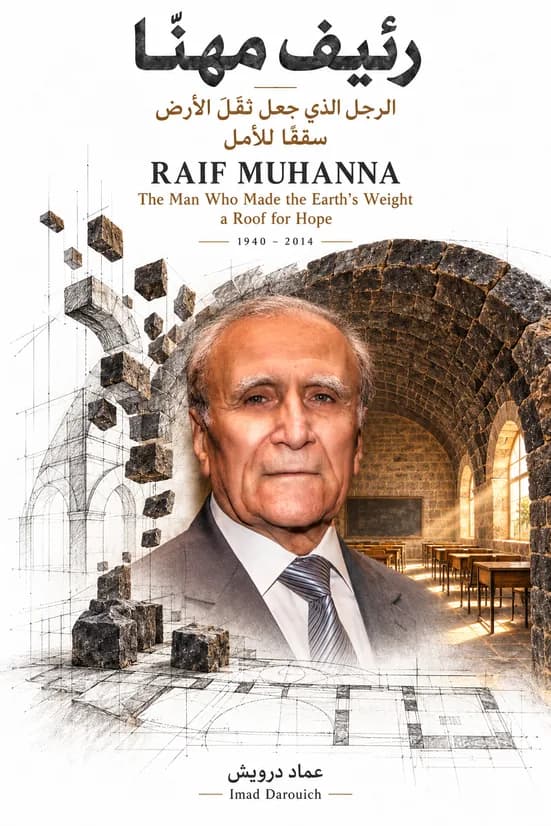
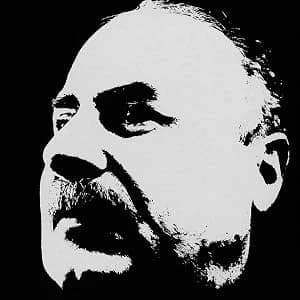
Raif Muhanna is the Syrian architect credited, with Rafi and Ziad Muhanna, with the Stone Building System: schools for the Ministry of Education in As-Suwayda, roofed with basalt arches of five-metre span, completed in 1990 and given an Aga Khan Award for Architecture in the 1990 to 1992 cycle. Imad's tribute to Raif Muhanna stands under one of those vaults and asks how the weight of stone can become a roof for a child learning to read.
تنويه: هذه تحيّة للدكتور المعماري رئيف مهنّا، تستند إلى السيرة التي أوردتها، وإلى توثيق جائزة الآغا خان لمشروع «نظام البناء الحجري» في السويداء، الفائز بدورة 1990–1992، بأسماء رئيف ورافع وزياد مهنّا. أمّا الصور الشعرية فهي من تأمّلي، وليست أقوالًا منسوبة إليه.Note: This tribute to architect Dr. Raif Muhanna draws on his biography and the Aga Khan Award’s documentation of the Stone Building System in As-Suwayda, awarded in the 1990–1992 cycle and credited to Raif, Rafi, and Ziad Muhanna. The poetic imagery is my own reflection, not attributed quotations.
أنا المعماري.I am an architect.
أعرف ثِقَل الحجر.I know the weight of stone.
لكنني أقف مدهوشًا أمام من يجعل هذا الثقل طريقًا فوق الرؤوس.Yet I stand astonished before those who make that weight a passage overhead.
حجرٌ يريد السقوط.A stone wants to fall.
وحجرٌ آخر يستقبله.Another receives it.
وبينهما، يولد القوس.Between them, the arch is born.
كأن الأرض ترفع ذراعيها.As though the earth were raising its arms.
وتترك لنا مكانًا كي نعبر.Leaving us a place to pass beneath.
هناك أقرأ رئيف مهنّا.There, I read Raif Muhanna.
في تلك المصالحة المدهشة بين الجاذبية والمأوى.In that astonishing reconciliation between gravity and shelter.
Basir… The Beginning That Kept Working
بصير… البداية التي ظلّت تعمل
من بصير بدأت الحكاية، عام 1940، كما تروي سيرته.The story began in Basir in 1940, as his biography recounts.
وأتخيّل الطفل ينظر إلى الحجر.I imagine the child looking at stone.
لا يعرف بعدُ أن بينهما موعدًا.Not yet knowing they have an appointment.
سيسافر بعيدًا.He will travel far.
ثم يعود ليسأل أرضه عمّا تستطيع.Then return to ask his own earth what it can do.
بعض البدايات تسكن الذاكرة.Some beginnings inhabit memory.
وبعضها يبقى ورشةً مفتوحة داخل الإنسان.Others remain an open workshop within a person.
Cairo… Then France
القاهرة… ثم فرنسا
تذكر السيرة دراسته المعمارية في القاهرة بين 1958 و1963، ثم حصوله على الدكتوراه في فرنسا عام 1973.The biography records his architectural studies in Cairo between 1958 and 1963, followed by his doctorate in France in 1973.
أرى المسافة تتّسع.I see the distance widening.
وأرى السؤال يزداد قربًا:And the question drawing closer:
بماذا أعود؟What shall I bring home?
أيُّ معرفةٍ تستطيع أن تنزل من الكتاب إلى يد البنّاء؟What knowledge can descend from a book into a mason’s hand?
وأيُّ حداثةٍ تعرف كيف تجلس على أرضها؟What modernity knows how to settle upon its own ground?
Damascus University… Building the Eye Before the Wall
جامعة دمشق… بناءُ العين قبل الجدار
في مسيرته التي أوردتها، امتدّ عمله بين التدريس والبحث والإشراف على مشاريع التخرّج والدراسات العليا.In his career, his work extended across teaching, research, graduation projects, and postgraduate supervision.
أتخيّل قاعةً تتناثر فيها المخطّطات.I imagine a studio scattered with drawings.
طالبٌ يحدّق في مشروعه.A student stares at a design.
كلُّ شيءٍ فيه قائم.Everything in it stands.
لكن شيئًا ما لم يصل بعد.Yet something has not arrived.
هنا تبدأ مهمّة المعلّم.Here begins the teacher’s task.
أن يوقظ العين.To awaken the eye.
أن يجعل الطالب يرى الإنسان الغائب عن رسمه.To make the student see the person missing from the drawing.
فالورقة تحتمل كلَّ شيء.For paper can bear anything.
أمّا الحياة، فلها جسدٌ يتعب.But life has a body that grows weary.
ولها طفلٌ يحتاج الضوء.And a child who needs light.
ولها شيخٌ يحسب الدرج بأنفاسه.And an old man who measures stairs in breaths.
Schools of Stone… When Basalt Entered the Future
مدارس الحجر… حين دخل البازلت إلى المستقبل
يوثّق سجلّ الآغا خان نظامًا يعتمد على البازلت المحلي والأقواس الحجرية، مع قبواتٍ ببحر خمسة أمتار، في مشروعٍ لوزارة التربية السورية اكتمل عام 1990.The Aga Khan record documents a system using local basalt and stone arches, with vaults spanning five meters, in a project for Syria’s Ministry of Education completed in 1990.
خمسة أمتار.Five meters.
أقيسها بالمسطرة.I measure them with a ruler.
ثم يدخل الأطفال.Then the children enter.
فتصبح المسافة أكبر من القياس.And the distance becomes greater than its measurement.
حقيبةٌ تحت قبو.A schoolbag beneath a vault.
دفترٌ فوق مقعد.A notebook upon a desk.
وحجرٌ قديم يحمل درسًا جديدًا.And ancient stone carrying a new lesson.
يا لهذه الصورة.What an image.
مادّةٌ خرجت من عتمة الأرض.A material emerging from the earth’s darkness.
لتساعد عينًا صغيرة على القراءة.To help a young pair of eyes learn to read.
هنا أعرف لماذا تستطيع مدرسةٌ أن تكون ملحمة.Here, I understand why a school can be an epic.
لأن سقفها يحمل أكثر من وزنه.Because its roof carries more than its weight.
يحمل ما سيصير إليه الجالسون تحته.It carries what those seated beneath it may become.
Raif, Rafi, and Ziad… The Arch That Preserves Its Stones’ Names
رئيف ورافع وزياد… القوس الذي يحفظ أسماء حجارته
ثلاثة أسماء في سجلّ المشروع.Three names in the project’s record.
وأنا أتركها معًا.And I leave them together.
فالإنصاف جزءٌ من استقامة البناء.For fairness is part of a building’s integrity.
لا يقوم القوس بحجرٍ يمحو جاره.An arch cannot stand through a stone that erases its neighbor.
يقوم حين يجد كلُّ حجرٍ موضعه.It stands when every stone finds its place.
وتتعادل القوى.And the forces come into balance.
فيستطيع الفراغ أن يبقى مفتوحًا.So the space can remain open.
The House… The Closest Test
البيت… الامتحان الأقرب
وتروي السيرة استخدامه القبوات الحجرية في بيته ببصير.The biography also recounts his use of stone vaults in his house in Basir.
أتوقّف عند البيت.I pause at the house.
هناك تدخل الفكرة يومها العادي.There, an idea enters its ordinary day.
تستقبل برد الشتاء.It receives winter’s cold.
وتتعلّم حركة الشمس.And learns the movement of the sun.
وتسمع الأحاديث بعد انصراف الضيوف.And hears the conversations after the guests have left.
هنا يصبح المعماري ساكنًا داخل سؤاله.Here, the architect becomes a resident within his own question.
ويختبر، كلَّ صباح، ما رسمه بثقة.Testing each morning what he once drew with confidence.
Theory… When It Acquires an Address in the Street
النظرية… حين يصير لها عنوانٌ في الشارع
تذكر سيرته مؤلَّفاتٍ في نظريات العمارة وعلم الاجتماع العمراني.His biography records writings on architectural theory and urban sociology.
وأنا أرى بين المجالين بابًا واسعًا.And I see a broad doorway between the two fields.
تعبر منه العمارة إلى أهلها.Through it, architecture reaches its people.
كيف يسكنون؟How do they dwell?
أين يلتقون؟Where do they meet?
ماذا يفقد الحيُّ حين يفقد ساحته؟What does a neighborhood lose when it loses its square?
وأين تذهب الجيرة حين يطول الممرُّ ولا يعرف أحدٌ اسم أحد؟Where does neighborliness go when the corridor grows long and no one knows another’s name?
تلك أسئلةٌ لها أساسات.These are questions with foundations.
وكلُّ جوابٍ عنها قد يغيّر شكل مدينة.And every answer may change the shape of a city.
January 2, 2014
الثاني من كانون الثاني 2014
في ذلك اليوم، بحسب السيرة التي أوردتها، انتهت حياته.On that day, according to his biography, his life ended.
لكنني أتخيّل صباحًا في مدرسة.But I imagine a morning in a school.
يدخل طفلٌ متأخّرًا.A child arrives late.
يركض تحت القبو.Running beneath the vault.
لا يعرف أسماء الذين حسبوا اتّزانه.Unaware of the names of those who calculated its balance.
ولا السنوات التي سبقت ظلَّه.Or the years that preceded its shade.
يرفع رأسه لحظة.For a moment, the child looks up.
ثم يفتح كتابه.Then opens a book.
هناك يستمرُّ شيءٌ من المعماري.There, something of the architect continues.
يا دكتور رئيف مهنّا،Dr. Raif Muhanna,
أحيّي في تجربتك تلك الجرأة الهادئة.I salute that quiet courage in your work.
أن تنظر إلى ما تحت أقدامنا.To look at what lies beneath our feet.
وترى فيه ما يستطيع أن يحمينا.And see what might shelter us.
أن ترفع الحجر.To raise stone.
وتترك الإنسان واقفًا بكرامته.And leave the human being standing in dignity.
أيُّ انتصارٍ أعظم للأرض… من أن تصبح سقفًا لطفلٍ يتعلّم؟What greater triumph for the earth… than to become a roof above a child learning?
Raif Muhanna was named with Paul Chiniarah on the winning team of the 1979 conference complex competition, remembered in When Shade Was Summoned to Testify to the Justice of Light, and the black basalt of southern Syria also carries The Roman Theater of Bosra: The Black Stone That Learned to Carry Sound. More lives in building are in the architects collection.
Written by
Architect Imad Darouich
المهندس المعماري عماد درويش
Architect, author and founder of 3DEPICS, based in New York. He writes epic literature that crosses borders, languages and geographies, where philosophy meets architecture, spirituality meets history and memory meets imagination.