Ten Architects, Ten True Stories: From Zaha Hadid to Tadao Ando
عشرة معماريين وعشر قصص حقيقية
Ten architects, ten buildings: a drawing never built, a basilica left unfinished, a house over a waterfall, a capital on open land, a wall cut by light.
By Architect Imad Darouich7 min read
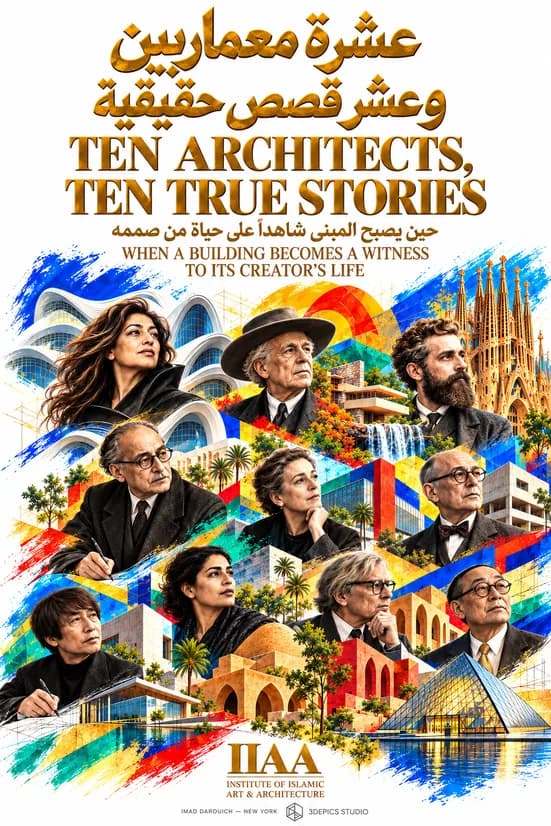
Ten Architects, Ten True Stories sets ten famous architects and their works side by side: Zaha Hadid's unbuilt Peak in Hong Kong, Gaudí's Sagrada Família, Wright's Fallingwater, Hassan Fathy's New Gourna, Sinan's Selimiye Mosque, Louis Kahn's Kimbell Art Museum, I. M. Pei's Louvre Pyramid, Oscar Niemeyer's Brasília, Le Corbusier's Chandigarh and Tadao Ando's Church of the Light. Imad gives each a few plain lines and one moment that decided its fate.
1. زها حديد1. Zaha Hadid
حين وصل الرسم قبل أن يستعد العالمWhen the Drawing Arrived Before the World Was Ready
فازت زها حديد عام 1983 بمسابقة مشروع ذا بيك في هونغ كونغ.In 1983, Zaha Hadid won the competition for The Peak in Hong Kong.
لكن المشروع لم يُبنَ.But the project was never built.
بقيت لوحاته دليلًا على مستقبل لم تستطع تقنيات عصره تنفيذه.Its paintings became evidence of a future the technology of its time could not yet construct.
وصفت سنوات طويلة بأنها معمارية الورق.For years, she was described as a paper architect.
ثم تطورت أدوات التصميم والبناء.Then design and construction technologies advanced.
وخرجت أفكارها من اللوحات إلى مدن العالم.Her ideas emerged from the paintings and entered cities around the world.
قصة حقيقية عن الرؤية التي سبقت أدواتها.A true story of a vision that arrived before its tools.
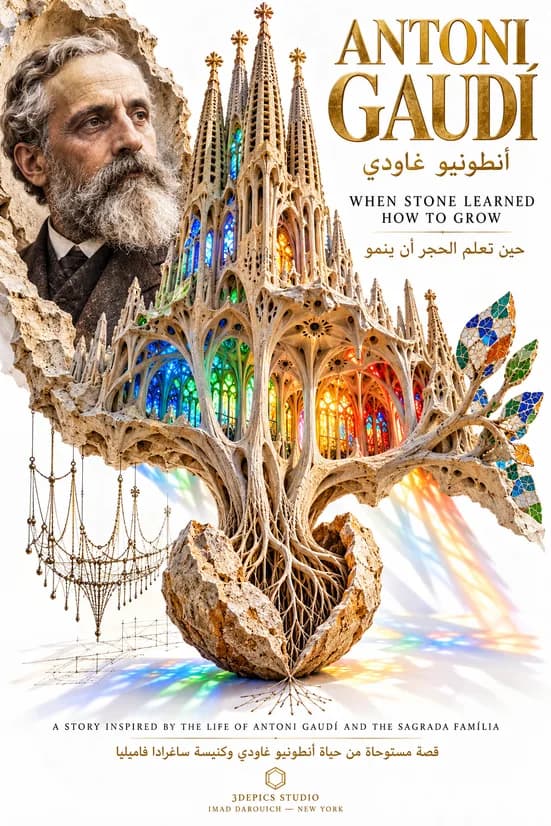
2. أنطونيو غاودي2. Antoni Gaudí
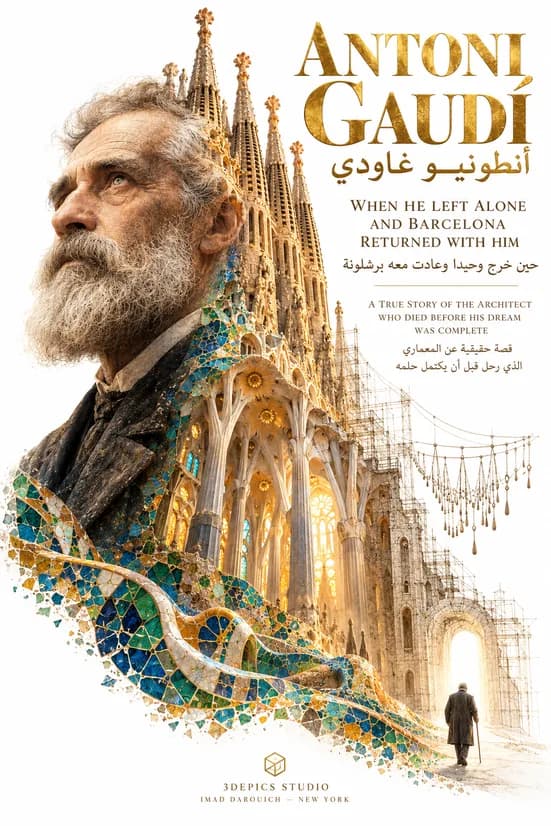
حين خرج وحيدًا وعادت معه برشلونةWhen He Left Alone and Barcelona Returned with Him
كرّس غاودي أكثر من أربعين عامًا لساغرادا فاميليا.Gaudí devoted more than forty years to the Sagrada Família.
وفي أعوامه الأخيرة، ترك مشاريعه الأخرى من أجلها.In his final years, he abandoned his other projects for it.
في السابع من يونيو عام 1926، غادر موقع البناء وحيدًا.On June 7, 1926, he left the construction site alone.
صدمه ترام في أحد شوارع برشلونة.He was struck by a tram on a Barcelona street.
توفي بعد ثلاثة أيام.He died three days later.
وفي جنازته، رافقته المدينة إلى الكنيسة التي لم تكتمل.At his funeral, the city accompanied him to the unfinished basilica.
دُفن تحت الحلم الذي لم يعش ليراه كاملًا.He was buried beneath the dream he did not live to see completed.
3. فرانك لويد رايت3. Frank Lloyd Wright
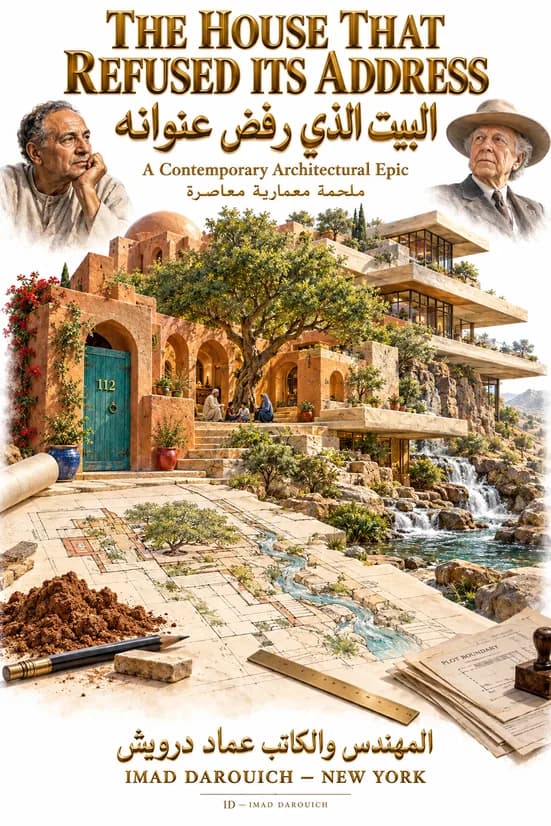
حين أصبح الشلال جزءًا من البيتWhen the Waterfall Became Part of the House
طلبت عائلة كوفمان منزلًا ريفيًا في بنسلفانيا.The Kaufmann family commissioned a country house in Pennsylvania.
توقعت منزلًا يطل على الشلال.They expected a house overlooking the waterfall.
لكن رايت وضع المنزل فوقه.Wright placed the house directly above it.
امتدت الشرفات الخرسانية فوق المياه.Concrete terraces extended above the water.
ودخلت صخور الموقع إلى قلب المنزل.Rocks from the site entered the heart of the house.
لم يعد الشلال منظرًا يُشاهد من النافذة.The waterfall was no longer a view seen through a window.
أصبح صوتًا يعيش داخل العمارة.It became a sound living within the architecture.
قصة حقيقية عن منزل لم يحتل الطبيعة، بل سكن معها.A true story of a house that did not occupy nature but lived with it.
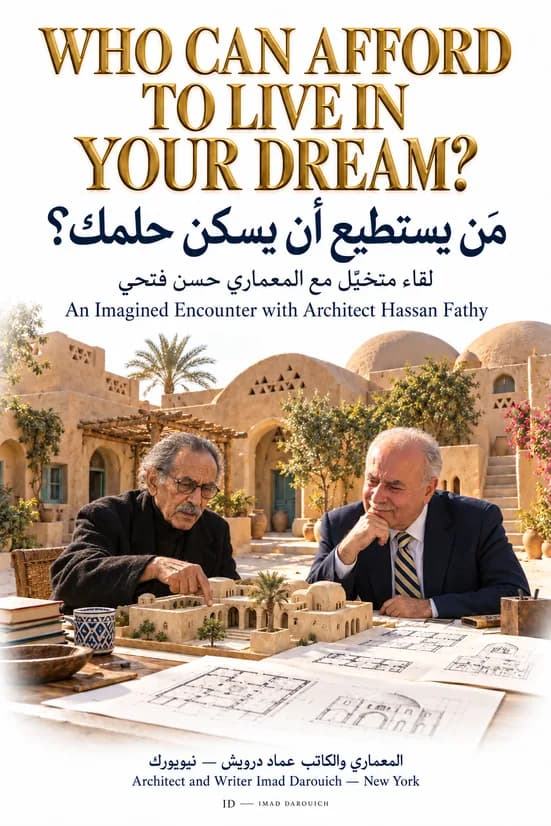
4. حسن فتحي4. Hassan Fathy
حين حاول معماري أن يبني للفقراء بكرامةWhen an Architect Tried to Build for the Poor with Dignity
في أربعينيات القرن العشرين، كُلّف حسن فتحي بتصميم قرية القرنة الجديدة في مصر.In the 1940s, Hassan Fathy was commissioned to design New Gourna Village in Egypt.
أراد بيوتًا يستطيع السكان بناءها بمواد محلية.He wanted homes residents could construct using local materials.
عاد إلى الطوب الطيني والقباب والأقبية.He returned to mud brick, domes, and vaults.
استعان بالبناء التقليدي بدل الاعتماد الكامل على المواد الصناعية المكلفة.He used traditional construction instead of depending entirely on expensive industrial materials.
لكن المشروع واجه خلافات إدارية واجتماعية واقتصادية.But the project faced administrative, social, and economic conflicts.
ولم يكتمل كما تصوره.It was not completed as he envisioned it.
بقيت القرنة سؤالًا مفتوحًا.New Gourna remained an open question.
هل يستطيع المعماري أن يصمم للناس من دون أن يصمم معهم؟Can an architect design for people without designing with them?
5. المعمار سنان5. Mimar Sinan
حين وضع شيخ المعماريين خبرة عمره تحت قبة واحدةWhen the Master Architect Placed a Lifetime Beneath One Dome
خدم سنان رئيسًا لمعماريي الدولة العثمانية عقودًا طويلة.Sinan served as chief architect of the Ottoman Empire for many decades.
صمم مئات المنشآت.He designed hundreds of structures.
وفي أدرنة، أنجز جامع السليمية.In Edirne, he completed the Selimiye Mosque.
كان في مرحلة متقدمة من عمره.He was already advanced in age.
جمع قبة مركزية هائلة وأربع مآذن رشيقة وداخلًا غمره الضوء.He united a vast central dome, four slender minarets, and an interior filled with light.
اعتبر السليمية ذروة تجربته.He considered Selimiye the culmination of his experience.
لم يكن العمل نهاية طاقة رجل مسن.The work was not the fading effort of an old man.
كان حصيلة عمر كامل من المعرفة.It was the concentrated knowledge of an entire lifetime.
6. لويس كان6. Louis Kahn
حين أصبح الضوء مادة البناء الأخيرةWhen Light Became the Final Building Material
كُلّف لويس كان عام 1966 بتصميم متحف كيمبل للفنون في تكساس.In 1966, Louis Kahn was commissioned to design the Kimbell Art Museum in Texas.
أراد للفن ضوءًا طبيعيًا هادئًا.He wanted art to receive gentle natural light.
صمم أقبيةً منحنية.He designed curved vaults.
وفتح في أعلاها شقوقًا ضيقة نحو السماء.He opened narrow slits toward the sky above them.
ثم استخدم عواكس تنشر الضوء على الأسقف والجدران.He used reflectors to diffuse the light across ceilings and walls.
افتُتح المتحف عام 1972.The museum opened in 1972.
كان آخر مبنى رآه كان مكتملًا قبل وفاته.It was the last building Kahn saw completed before his death.
قصة حقيقية عن معماري جعل الضوء مرئيًا من دون أن يحبس الشمس.A true story of an architect who made light visible without imprisoning the sun.
7. آي إم بي7. I. M. Pei
حين اتُّهم الهرم بإهانة التاريخWhen the Pyramid Was Accused of Insulting History
اختير آي إم بي عام 1983 لتحديث متحف اللوفر.I. M. Pei was selected in 1983 to modernize the Louvre.
اقترح مدخلًا مركزيًا تحت الأرض.He proposed a central underground entrance.
ووضع فوقه هرمًا من الزجاج والفولاذ.Above it, he placed a pyramid of glass and steel.
اندلعت معارضة شديدة.Fierce opposition followed.
رأى المنتقدون أن الشكل الحديث يهدد القصر التاريخي.Critics believed the modern form threatened the historic palace.
لكن بي اختار زجاجًا شديد الشفافية.Pei chose exceptionally transparent glass.
أراد أن تبقى الواجهات القديمة مرئية.He wanted the old façades to remain visible.
افتُتح الهرم عام 1989.The Pyramid opened in 1989.
وأصبح ما حورب بالأمس أحد رموز باريس اليوم.What was attacked yesterday became one of the symbols of Paris today.
8. أوسكار نيماير8. Oscar Niemeyer
حين بُنيت عاصمة فوق أرض شبه خاليةWhen a Capital Rose from Near-Empty Land
في عام 1956، بدأت البرازيل إنشاء عاصمة جديدة في قلب البلاد.In 1956, Brazil began creating a new capital in the country’s interior.
وضع لوسيو كوستا مخطط المدينة.Lúcio Costa prepared the urban plan.
وصمم أوسكار نيماير مبانيها الحكومية الكبرى.Oscar Niemeyer designed its major government buildings.
استخدم الخرسانة لصنع القباب والمنحنيات والأعمدة النحيلة.He used concrete to create domes, curves, and slender columns.
خلال سنوات قليلة، ارتفعت برازيليا من أرض مفتوحة.Within a few years, Brasília rose from open land.
افتُتحت عاصمةً للبلاد عام 1960.It became the nation’s capital in 1960.
كانت تجربة هائلة في تحويل فكرة سياسية إلى مدينة.It was a vast experiment in transforming a political idea into a city.
وقصةً حقيقية عن قدرة العمارة وحدودها في تشكيل حياة الإنسان.And a true story about architecture’s power, and its limits, in shaping human life.
9. لو كوربوزييه9. Le Corbusier
حين احتاجت دولة مستقلة إلى مدينة تمثل مستقبلهاWhen an Independent Nation Needed a City for Its Future
بعد استقلال الهند وتقسيم شبه القارة، احتاج إقليم البنجاب إلى عاصمة جديدة.After India’s independence and the partition of the subcontinent, Punjab needed a new capital.
دُعي لو كوربوزييه للمشاركة في تخطيط شانديغار.Le Corbusier was invited to help plan Chandigarh.
صمم مجمع الكابيتول.He designed the Capitol Complex.
وضم المحكمة العليا والمجلس التشريعي والأمانة العامة.It included the High Court, Legislative Assembly, and Secretariat.
لم تكن المدينة مشروعًا عمرانيًا فقط.The city was not merely an urban project.
كانت رمزًا لدولة تريد مغادرة الاستعمار وبناء صورة جديدة لنفسها.It was a symbol of a nation seeking to leave colonialism behind and build a new image of itself.
قصة حقيقية عن مدينة حملت على خرسانتها طموح وطن حديث.A true story of a city whose concrete carried the ambition of a modern nation.
10. تاداو أندو10. Tadao Ando
حين علّم معماري نفسه ثم بنى بالضوءWhen a Self-Taught Architect Built with Light
لم يتلقَّ تاداو أندو تعليمًا معماريًا جامعيًا تقليديًا.Tadao Ando did not receive a conventional university education in architecture.
تعلم من السفر والقراءة ورؤية المباني مباشرة.He learned through travel, reading, and experiencing buildings firsthand.
درس أعمال المعماريين بالرسم والملاحظة.He studied architecture through drawing and observation.
ثم أسس مكتبه في أوساكا.He later established his practice in Osaka.
في كنيسة النور، استخدم جدرانًا خرسانية بسيطة.In the Church of the Light, he used simple concrete walls.
وشق في الجدار فتحةً على هيئة صليب.He cut a cross-shaped opening into the wall.
لم يضف الضوء إلى المبنى بعد اكتماله.He did not add light after completing the building.
جعل الضوء هو الذي يُكمل العمارة.He made light complete the architecture.
قصة حقيقية عن رجل لم ينتظر مدرسة تمنحه طريقه.A true story of a man who did not wait for a school to give him his path.
صنع طريقه بنفسه.He created his own.
هذه ليست قائمة بأشهر الأسماء فقط.This is not merely a list of famous names.
إنها عشر لحظات حقيقية غيّرت معنى العمارة.These are ten real moments that changed the meaning of architecture.
رسم لم يُبنَ.A drawing that was never built.
حلم أكملته الأجيال.A dream completed by generations.
بيت عاش مع الماء.A house that lived with water.
قرية بحثت عن كرامة الفقراء.A village that sought dignity for the poor.
قبة حملت خبرة عمر.A dome that carried a lifetime of knowledge.
متحف بناه الضوء.A museum built by light.
هرم حاربه الناس ثم أحبوه.A pyramid people fought and later loved.
عاصمة وُلدت من أرض مفتوحة.A capital born from open land.
مدينة حملت حلم الاستقلال.A city that carried the dream of independence.
وجدار خرساني أكمله شعاع واحد.And a concrete wall completed by a single beam of light.
Two of the ten have pages of their own, When He Left Alone and Barcelona Returned with Him on Gaudí and When the Waterfall Became Part of the House on Fallingwater. Zaha Hadid: When the Building Remained on Paper but Changed the World and I. M. Pei: The Epic of Geometry and Light are in the library.
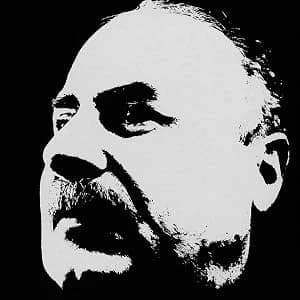
Written by
Architect Imad Darouich
المهندس المعماري عماد درويش
Architect, author and founder of 3DEPICS, based in New York. He writes epic literature that crosses borders, languages and geographies, where philosophy meets architecture, spirituality meets history and memory meets imagination.