The Court That Put Color on Trial: Dalí and Frida Kahlo
المحكمة التي حاكمت اللون
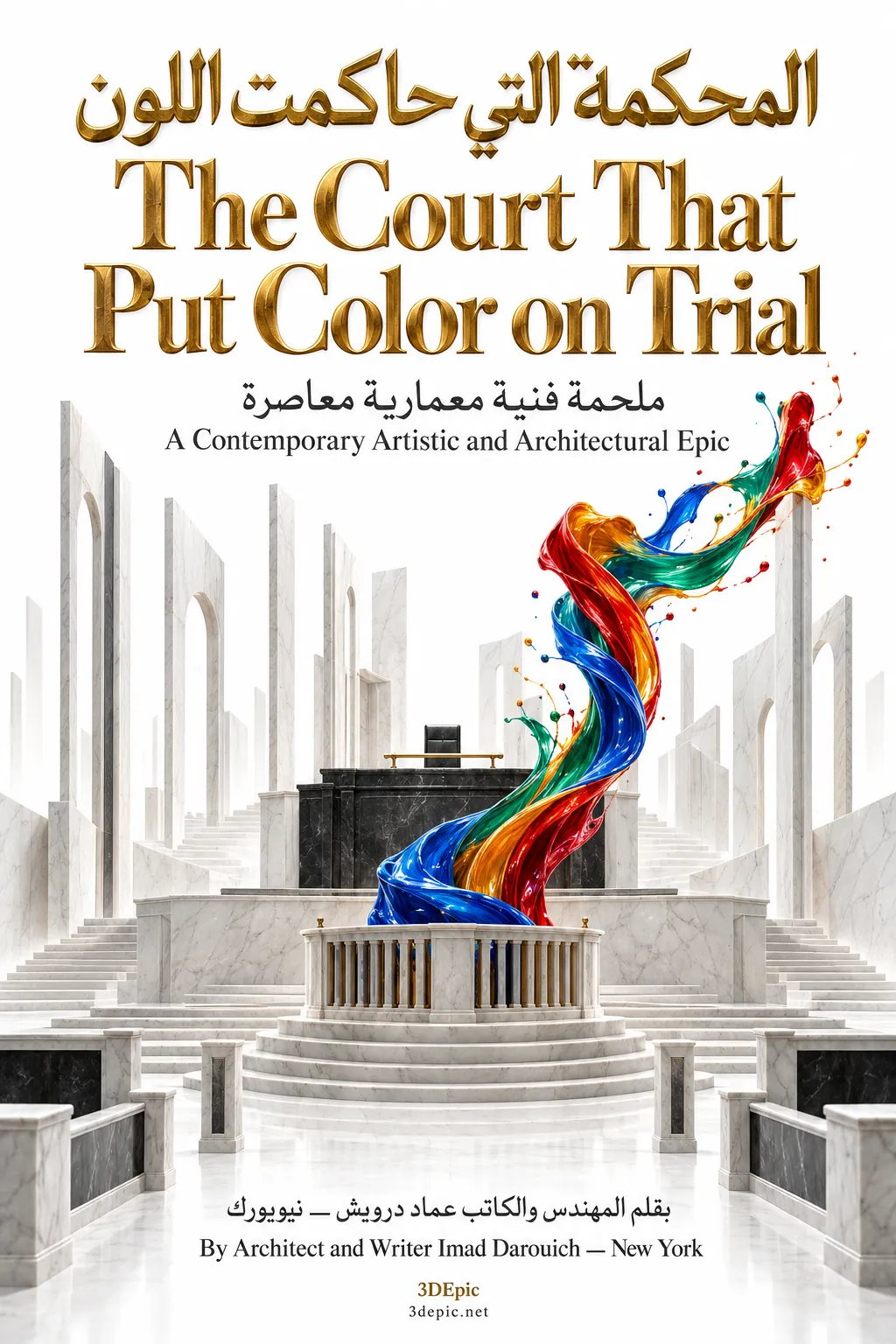
Summoned for opening a window in an approved wall, an architect stands trial until Dalí brings a melting clock and Frida unveils her wound.
بقلم المهندس المعماري عماد درويش4 دقائق قراءة
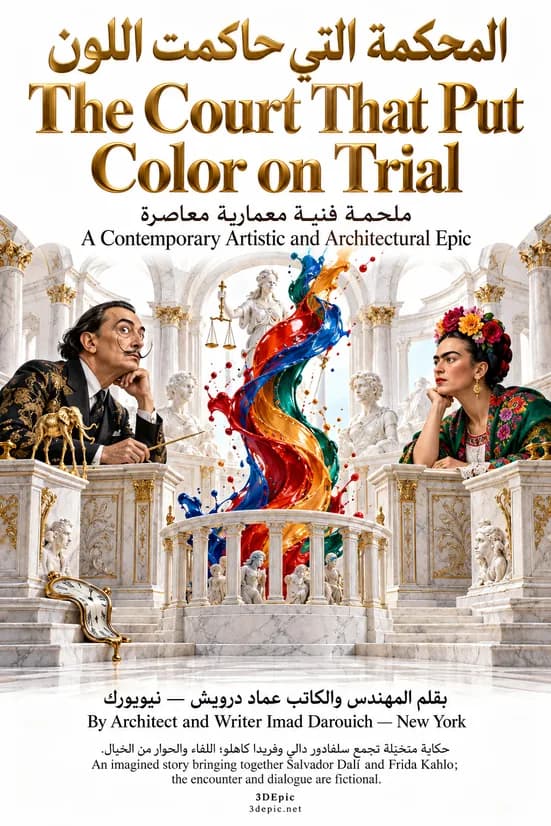
Frida Kahlo painted The Broken Column in 1944, after spinal surgery, showing her torso split open around a crumbling Ionic column; the original is in the Museo Dolores Olmedo in Mexico City. Imad's imagined trial brings Frida, carrying the image of The Broken Column painting, and Salvador Dalí, with a melting clock, into a court that orders windows sealed, and teaches the architect to leave a crack open to the light.
A Note
تنويه
حكاية متخيّلة تجمع سلفادور دالي وفريدا كاهلو؛ اللقاء والحوار من الخيال.An imagined story bringing together Salvador Dalí and Frida Kahlo; the encounter and dialogue are fictional.
The Introduction
المقدمة
في تلك الليلة، وصلني استدعاء من محكمة بلا عنوان.That night, I received a summons from a court with no address.
التهمة: رسمُ نافذة في جدارٍ مُعتمد.The charge: drawing a window in an approved wall.
أنا عماد درويش. أعرف كيف تحمل الأعمدةُ السقوف.I am Imad Darouich. I know how columns carry roofs.
لكنني لم أعرف أين أضع رأسي، حين صار السقفُ أمرًا بالطاعة.But I did not know where to put my head when the ceiling became an order to obey.
اتبعتُ الختم الأحمر على الورقة. كان ينزف، ويترك لي الطريق.I followed the red stamp on the paper. It bled, marking the way.
The Epic
الملحمة
دخلتُ القاعة. كانت المقاعدُ مساميرَ، والطاولةُ بابًا انتُزع من بيت.I entered the hall. The seats were nails, and the table was a door torn from a home.
جلس القاضي خلف ميزانٍ يزن كلَّ شيء، إلا الألم.The judge sat behind scales that weighed everything except pain.
سألني: لماذا فتحتَ الجدار؟He asked: Why did you open the wall?
قلتُ: كان خلفه إنسان.I said: There was a person behind it.
قال: لم يظهر في المخططات.He replied: That person did not appear in the drawings.
ثم أمر بإغلاق النافذة.Then he ordered the window sealed.
عندها دخل دالي، يحمل ساعةً ذائبةً على ساعده.Then Dalí entered, carrying a melting clock on his forearm.
رفعها أمام القاضي وقال: انتهت صلاحيةُ الوقت الذي تحاكمنا به.He raised it before the judge and said: The time by which you judge us has expired.
ضرب القاضي بمطرقته.The judge struck his gavel.
غاصت المطرقةُ في الطاولة، كما تغوص القدمُ في الوحل.The gavel sank into the table like a foot sinking into mud.
سحبها. خرج معها جذر.He pulled it out. A root came with it.
ومن الجذر دخلت فريدا.Through that root, Frida entered.
كانت تحمل لوحةً مغطاةً بقماش أبيض.She carried a painting covered with a white cloth.
قال القاضي: أخفي الجرح. هذه قاعةٌ رسمية.The judge said: Conceal the wound. This is an official chamber.
نزعت القماش.She removed the cloth.
ظهر جسدٌ مفتوح، وعمودٌ متصدّع يقيم داخل صدره.An opened body appeared, with a cracked column standing inside its chest.
اقتربتُ. كنتُ أعرف هذا الشرخ.I stepped closer. I knew that fracture.
رأيتُه في بيوتٍ هُدمت، وفي وجوهٍ واصلت استقبال الضيوف.I had seen it in demolished homes and in faces that kept welcoming guests.
مددتُ يدي لأُصلحه.I reached out to repair it.
أمسكت فريدا بمعصمي.Frida caught my wrist.
قالت: تمهّل. كلُّ من مرّ هنا سدَّ الشقَّ، وتركني أختنق.She said: Wait. Everyone who passed through here sealed the crack and left me suffocating.
تراجعتُ خطوة.I stepped back.
ولأول مرة، رأيتُ الضوء يدخل من موضع الكسر.For the first time, I saw light entering through the break.
صرخ القاضي: هذا مخالف!The judge shouted: This violates the rules!
فتح دفتر القوانين. كانت صفحاته جدرانًا صغيرة.He opened the book of laws. Its pages were little walls.
كلما قلب صفحةً، أُغلقت نافذة.With every page he turned, a window closed.
اقترب دالي من الدفتر، ورسم نملةً على الهامش.Dalí approached the book and drew an ant in the margin.
تحرّكت النملة. تبعتها أخرى.The ant moved. Another followed.
أكلتا كلمة «ممنوع».They ate the word “Forbidden.”
وبقي البياض.White space remained.
وضعت فريدا كفّها في ذلك البياض.Frida placed her palm in that white space.
حين رفعتها، ظهرت بصمةٌ حمراء.When she lifted it, a red handprint appeared.
قالت: الآن صار للورقة شاهد.She said: Now the page has a witness.
التفت القاضي إليّ: وأنت، ماذا ستبني؟The judge turned to me: And you, what will you build?
نظرتُ إلى الباب الممدّد تحت أوراقه.I looked at the door lying beneath his papers.
قلتُ: سأبدأ بإعادة هذا إلى أصحابه.I said: I will begin by returning this to its owners.
رفعنا الطاولة.We lifted the table.
تناثرت الملفات. وتحتها ظهر اسمُ أبي، محفورًا على الخشب.The files scattered. Beneath them, my father’s name appeared, carved into the wood.
لم أعد أسمع القاضي.I could no longer hear the judge.
مررتُ بإصبعي على الحروف. عاد الغبارُ إلى تراب، وعاد الخشبُ إلى شجرة.I traced the letters with my finger. Dust became earth again, and wood became a tree.
يا ربّ، كيف حملتُ كلَّ هذا البُعد، وعجزتُ الآن عن حمل باب؟O Lord, how had I carried all this distance, yet now could not carry a door?
وضع دالي ساعته على الأرض.Dalí placed his clock on the floor.
جلست فريدا إلى جواري.Frida sat beside me.
ولم يطلب أحدٌ مني أن أتوقف عن البكاء.And no one asked me to stop crying.
The Ending
الخاتمة
مع الفجر، خرجنا بالباب.At dawn, we carried the door outside.
بحثتُ عن البيت. كان المكانُ خاليًا.I searched for the house. The ground was empty.
ثبتُّ البابَ بين حجرين. رسم دالي خلفه أفقًا، ورسمت فريدا على عتبته قدمين.I set the door between two stones. Dalí painted a horizon behind it, and Frida painted two feet on its threshold.
ثم وضعتُ يدي على المقبض.Then I placed my hand on the handle.
كنتُ أخشى أن يفتح على العدم.I feared it would open onto nothing.
فتح على الطريق.It opened onto the road.
وفي ظهري، سمعتُ صوت المحكمة يسأل: أين الجدار؟Behind me, I heard the court asking: Where is the wall?
لم ألتفت.I did not turn.
كان عليَّ أن أخرج، قبل أن أتعلّم الدفاعَ عن سجني.I had to leave before I learned to defend my prison.
Dalí and Frida first meet Imad in When Pain Became Art. Her life fills Frida Kahlo: When the Body Became a House That Refused to Collapse, and his melting clocks fill The Persistence of Memory: An Epic of Melting Time.
بقلم
Architect Imad Darouich
المهندس المعماري عماد درويش
مهندس معماري وكاتب ومؤسس 3DEPICS، يقيم في نيويورك. يكتب أدبًا ملحميًا يعبر الحدود واللغات والجغرافيا، حيث تلتقي الفلسفة بالعمارة، والروحانية بالتاريخ، والذاكرة بالخيال.