Skip to content
3DEPIC

Baudelaire: A Garden in the Heart of Darkness

بودلير: حديقةٌ في صدر العتمة

By Architect Imad Darouich

1 of 9

Baudelaire: A Garden in the Heart of Darkness

1 of 9

A narrator meets Baudelaire at the end of a wet street holding a flower with soil on its roots, and walks with him through The Flowers of Evil, from the Parisian Scenes and The Albatross to The Swan, the trial of the poems and The Voyage. The book asks whether beauty can be loved without the soil it grew from.

Format
PDF ebook
Languages
Arabic and English

Instant download, no account needed. PDF · 50 pages.

Subscribe from $9 a Month.

Or unlock the entire library with your subscription. Download every book and discover new epics added each week.

Already a member? Sign in to download.

About This Book

Baudelaire: A Garden in the Heart of Darkness is a bilingual ebook in English and Arabic, an imaginative literary reading of Charles Baudelaire's world and of The Flowers of Evil, written in short lines close to verse. A narrator opens the book, sees Baudelaire at the end of a wet street holding a single flower with soil still on its roots, and asks him why he has not cleaned it.

The chapters walk through a Paris changing its face under the pickaxes of new street plans and the faces of the Parisian Scenes, the weariness of the Spleen poems, the poet as the clumsy bird on deck in The Albatross, and the forest of the senses in Correspondences. They meet the woman who passes without stopping in To a Passer-by, the glass that does not end the night in the Wine poems, and The Swan searching for its water in a city of exiles.

Later chapters reach the court that fined Baudelaire and his publishers and ordered poems suppressed, a judgment overturned long after his death, then beauty before the mirror of mortality and the closing poem, The Voyage, read as a journey death did not close. The book ends with the narrator back in his room, hearing the street differently and bending to a small plant in a crack in the pavement.

For readers of French poetry and of Baudelaire, and for anyone who asks what art should do besides comfort.

A poet cannot stop pickaxes with a poem.

Does seeing evil mean celebrating it?

I no longer asked art always to comfort me.

From the book

Topics

  • Charles Baudelaire
  • The Flowers of Evil
  • Parisian Scenes
  • Spleen and Ideal
  • The Albatross
  • Correspondences
  • To a Passer-by
  • The Swan
  • the trial of the poems
  • Paris and modernity
  • French poetry
  • poetry ebook

Share this epic

Reader ratings

No ratings yet.

Readers who have downloaded or bought this book can rate it.

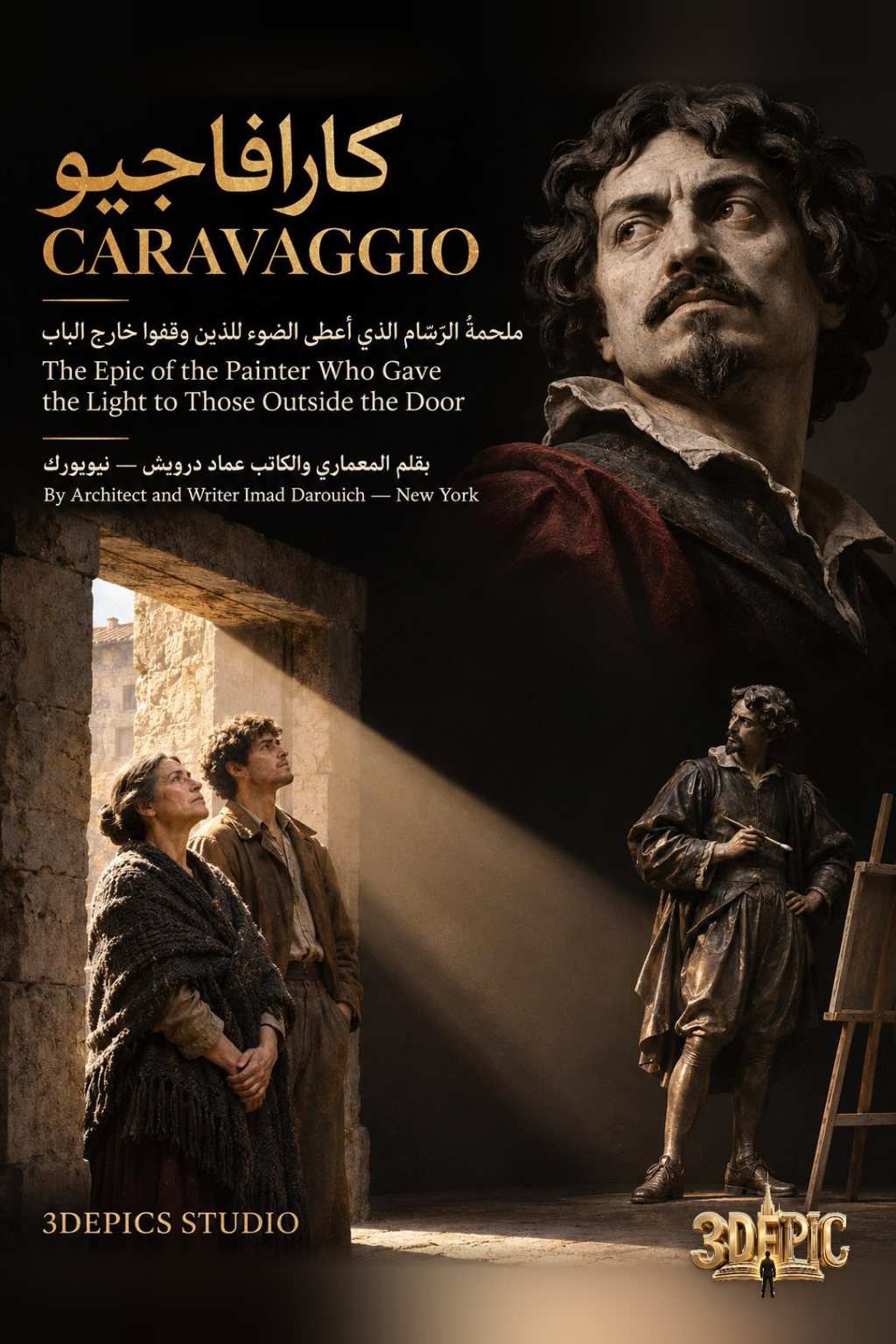
Caravaggio: The Painter Who Gave the Light to Those Outside the Door
Christ of Saint John of the Cross
Claude Monet: Water Lilies and the Garden at Giverny
Coco Chanel: From the Orphanage to the Little Black Dress
Crime and Punishment: Fyodor Dostoevsky
Cyndi Lauper: The Epic of What I Know Now
Cézanne, Mont Sainte-Victoire: When the Mountain Became an Architecture of Light
Cézanne, Still Life with a Curtain: When Fruit Became Architecture
Cézanne, The Card Players: When the Table Became a Theater of Silence
Cézanne, The Large Bathers: When the Body Became Architecture
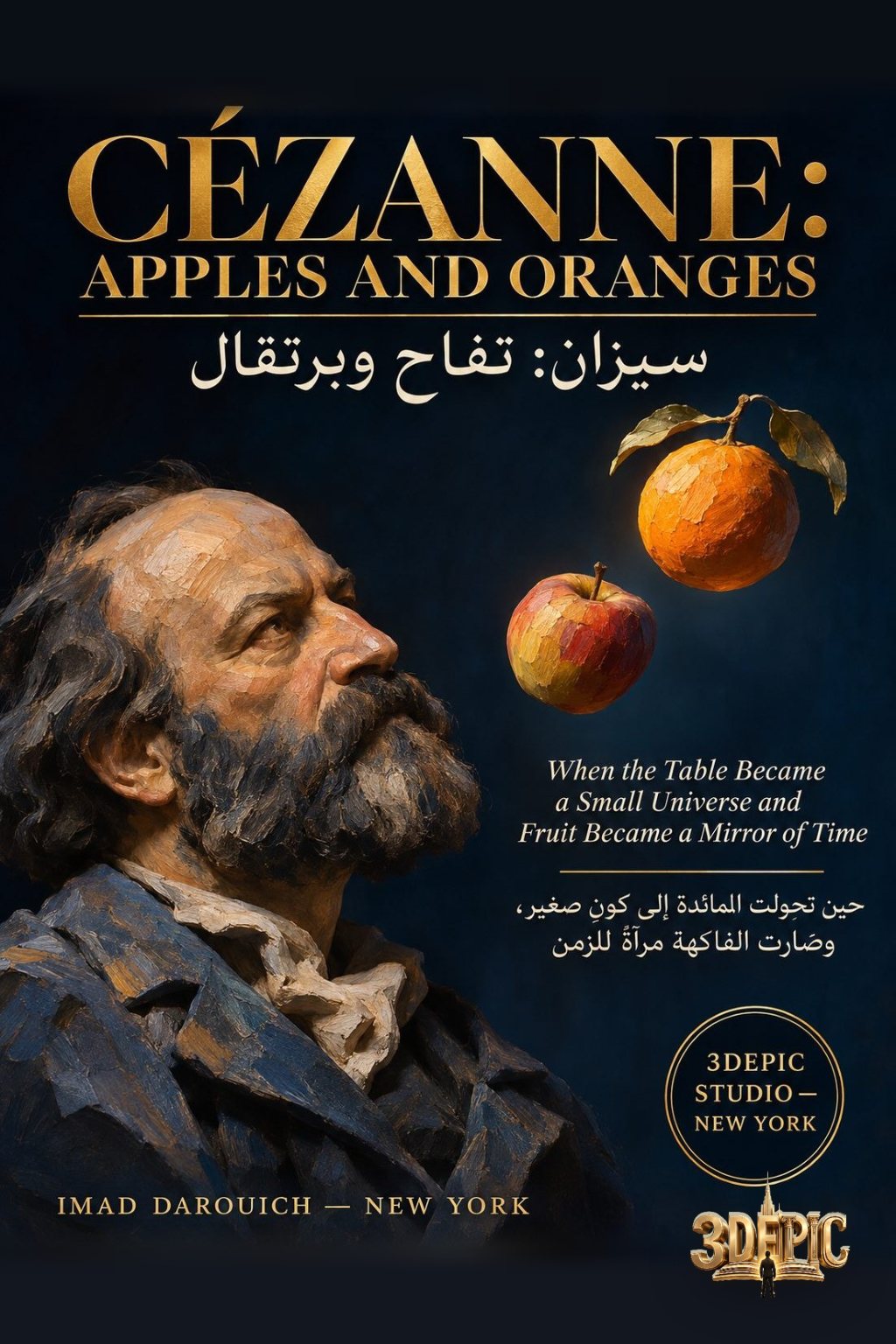
Cézanne: Apples and Oranges
Dalí and Damascus: The Architecture of Liquid Memory
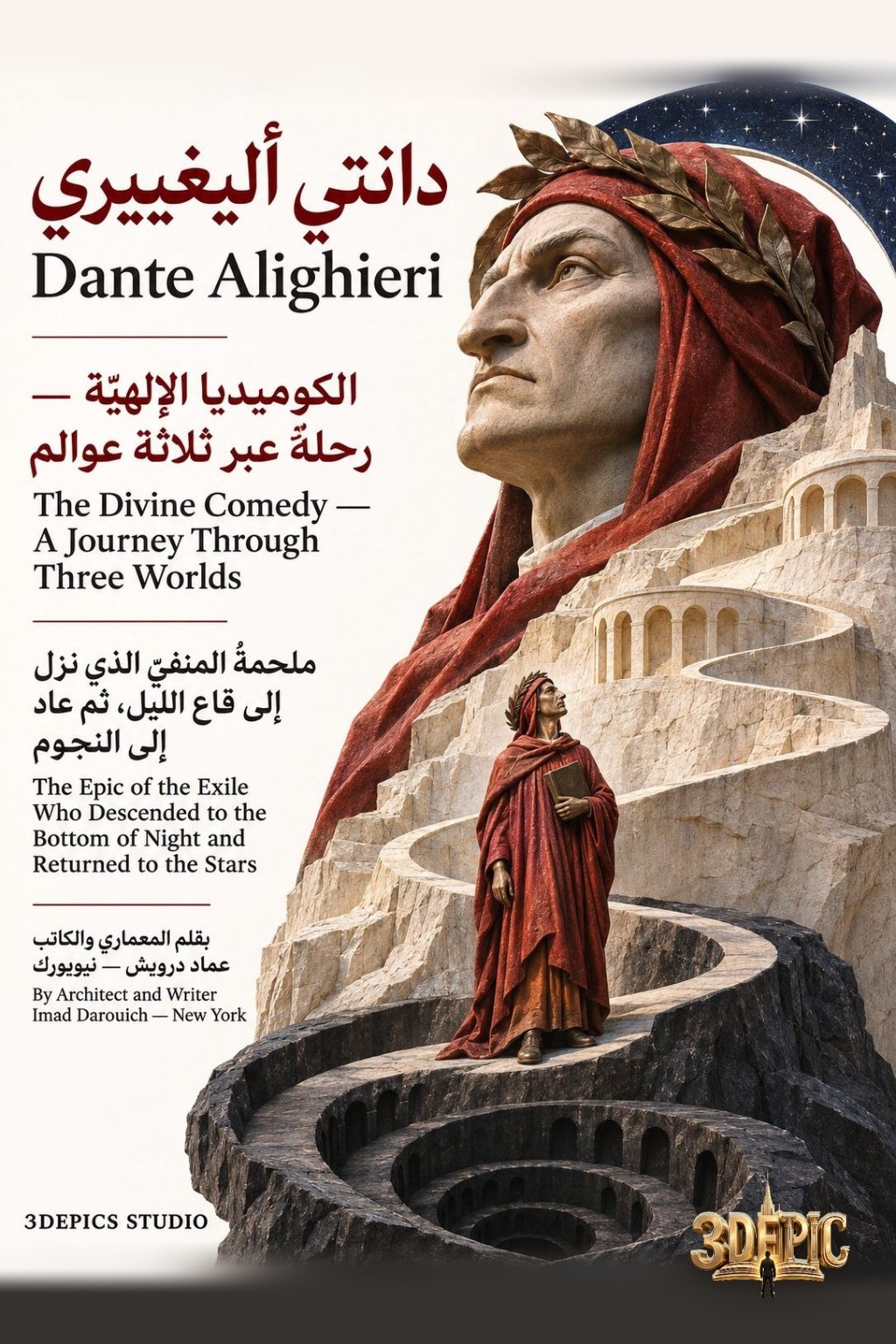
Dante Alighieri: The Divine Comedy, a Journey Through Three Worlds
Dialogue with the Creation of Adam: Between Clay and Spirit
Dialogue with the Girl with a Pearl Earring
Diego Velázquez: The Man Standing at the Far End of the Room

Every ebook. Unlimited downloads.

Join from $9/mo