The Palace Crumbled… Yet the Eyes Never Closed: Umayyad Frescoes
تهدّم القصر… ولم تُغمض العيون
Before painted plaster from an Umayyad palace, an architect finds a woman's open eyes and a soldier's hand at his chin still looking back.
بقلم المهندس المعماري عماد درويش5 دقائق قراءة
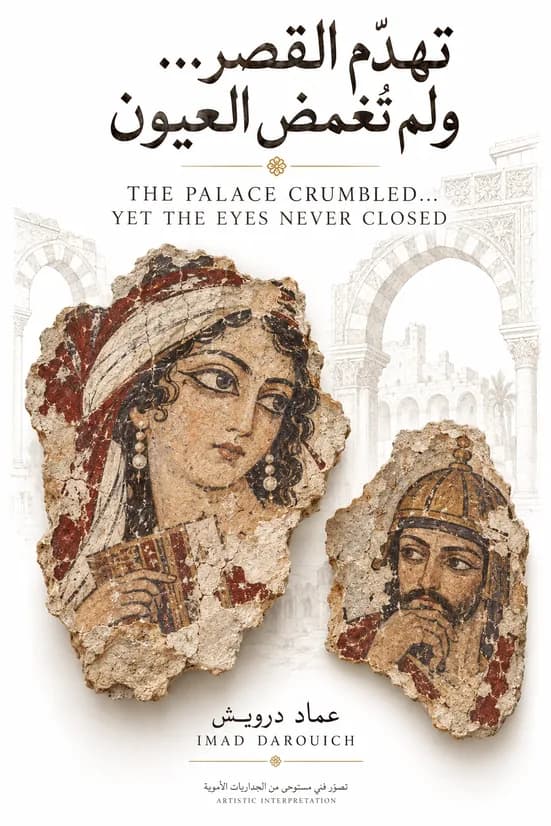
Qasr al-Hayr al-Gharbi is an Umayyad desert palace about 80 km southwest of Palmyra, built by the caliph Hisham ibn Abd al-Malik in 727; its frescoes were taken to the National Museum of Damascus. Imad's prose poem, in Arabic and English, reads fragments of these Umayyad frescoes, a woman holding a fan and a helmeted man with his hand at his chin, and keeps evidence, interpretation and imagination apart.
تنويه: هذه قراءة معمارية وتأمّلية في شذرات التصوير الأموي القادمة من قصر الحير الغربي، جنوب غربي تدمر، والمحفوظة في متحف دمشق الوطني. أميّز فيها بين الشاهد الأثري، والتفسير المحتمل، وما يوقظه الأثر في خيالي.A note: This is an architectural and reflective reading of fragments of Umayyad painting from Qasr al-Hayr al-Gharbi, southwest of Palmyra, preserved in the National Museum of Damascus. I distinguish between archaeological evidence, possible interpretation, and what these remains awaken in my imagination.
أنا معماري.I am an architect.
أعرف كيف تُبنى الجدران.I know how walls are built.
لكن هذه الوجوه تعلّمني كيف ينجو ما عليها.But these faces teach me how what they carry survives.
في قصر الحير الغربي، تهشّم الجصّ.At Qasr al-Hayr al-Gharbi, the plaster shattered.
تبعثرت الزخارف.The ornaments scattered.
وتحوّلت الوجوه إلى أجزاء.And faces became fragments.
ومع ذلك، بقيت العيون مفتوحة.Yet the eyes remained open.
كأن الزمن استطاع كسر الجدار،As though time could break the wall,
وعجز عن إتمام المحو.but could not finish the erasure.
بين عامَي ١٩٣٦ و١٩٣٨، كشفت أعمال التنقيب الفرنسية هذه البقايا.Between 1936 and 1938, French excavations uncovered these remains.
ثم جُمعت الشذرات ووُثّقت وثُبّتت على ألواح.The fragments were then gathered, documented, and mounted on panels.
أتخيّل دقّة الأيدي وهي تلتقط قطعةً تحمل طرف عين.I imagine the care of hands lifting a fragment bearing the corner of an eye.
كيف تمسك نظرةً مكسورة،How do you hold a broken gaze,
وتعيد إليها مكانها؟and return it to its place?
أمام الوجه الأنثوي، أتوقّف.Before the woman’s face, I stop.
منديلٌ أبيض، تثنيه الحمرة.A white head covering, folded through with red.
خصلتان على الخدّين.Two locks upon her cheeks.
عينان واسعتان، يحدّهما السواد.Wide eyes, outlined in black.
وحلقٌ تتدلّى منه حبّاتٌ لؤلؤية.An earring with pendant pearls.
كلّ هذه العناية في وجهٍ لا نعرف اسمه.All this care in a face whose name we do not know.
الرسّام رآها بما يكفي ليرسمها.The painter saw her closely enough to paint her.
ونحن نراها بما يكفي لنشعر بما فقدناه.We see her clearly enough to feel what we have lost.
ضاع معظم الفم.Most of the mouth is gone.
وبقيت العينان تحملان عبء الكلام.The eyes remain to bear the burden of speech.
ترفع يدها بمروحة.She raises a hand holding a fan.
حركةٌ صغيرة، حفظها الجصّ.A small movement, preserved in plaster.
يا للمفارقة.What a paradox.
ضاع هواء الغرفة،The room’s air is gone,
وبقيت الحركة التي كانت تحرّكه.yet the movement that once stirred it remains.
أبحث بعيني عن امتداد الذراع.My eyes search for the arm’s continuation.
فتوقفني حافّة الكسر.The broken edge stops me.
هنا، يصل الماضي.Here, the past reaches us.
وهنا، ينقطع.Here, it breaks off.
وفي اللوح الآخر، رجلٌ بخوذة مقبّبة.On another panel, a man wears a domed helmet.
شاربٌ كثيف.A thick mustache.
ويدٌ تتّجه إلى الذقن.A hand moving toward the chin.
هيئةٌ توحي بجنديٍّ متأمّل.A figure suggesting a soldier in thought.
لا أعرف ما الذي كان يشغله.I do not know what occupied him.
لكنني أعرف هذه الحركة.But I know that gesture.
رأيتها على وجوه أناسٍ أمام سؤالٍ ثقيل.I have seen it in people facing a difficult question.
وأجدها الآن على جصٍّ نجا من القرون.And now I find it on plaster that survived the centuries.
كم يتغيّر العالم،How much the world changes,
وتبقى اليد تبحث عن الذقن حين يثقل التفكير.while the hand still seeks the chin when thought grows heavy.
تلتقي في هذه الرسوم آثار تقاليد هلنستية شرقية وساسانية.These paintings bring together traces of eastern Hellenistic and Sasanian traditions.
أتأمّل هذا اللقاء بعين المعماري.I consider that meeting through an architect’s eyes.
أرى ميراثًا يعبر إلى ميراث.I see one inheritance passing into another.
ولونًا يجد لنفسه تركيبًا جديدًا.A color finding a new arrangement.
ويدًا تتعلّم من الماضي،A hand learning from the past,
ثم تترك اختلافها عليه.then leaving its own difference upon it.
هكذا تنمو لغة الفن.This is how the language of art grows.
بالتجربة.Through experiment.
وباللقاء.Through encounter.
وبقدرة الصانع على أن يضيف.Through the maker’s ability to contribute.
وفي شذرةٍ أخرى، تجتمع وجوهٌ غريبة التكوين.In another fragment, strangely formed faces gather.
موضوعها موضع تأويل.Their subject remains open to interpretation.
أقف عند هذا الحدّ.I stop at that boundary.
فاحترام الأثر يشمل احترام ما لا نعرفه عنه.Respecting an artifact includes respecting what we do not know about it.
لن أمنح وجهًا مجهولًا حكايةً قاطعة.I will not give an unidentified face a definitive story.
سأترك حوله مساحةً للسؤال.I will leave room around it for questions.
أنا معماري.I am an architect.
وأعرف قيمة المساحة التي نتركها.And I know the value of the space we leave.
في البناء، كي يتنفّس الضوء.In a building, for light to breathe.
وفي المعرفة، كي يدخل الدليل.In knowledge, for evidence to enter.
أمام هذه الشذرات، أفكّر في معنى البقاء.Before these fragments, I consider what survival means.
القصر الذي أراد الاتّساع،The palace that sought grandeur
وصلنا منه وجهٌ على لوح.has reached us as a face upon a panel.
والرسّام الذي غاب اسمه،The painter whose name disappeared
ما زال يوجّه نظرتي بخطٍّ أسود.still guides my gaze with a black line.
أيّ سلطةٍ هادئةٍ للفن.What quiet power art possesses.
أن تنتهي حياة اليد،That the hand’s life should end,
ويبقى أثرها قادرًا على إيقاف إنسان.while its trace can still bring a person to a halt.
لهذا أرى في حفظ هذه البقايا عملًا يمسّ مستقبلنا.That is why I see preserving these remains as work that touches our future.
كلّ شذرةٍ تُنقذ، تبقى متاحةً لعينٍ لم تولد بعد.Every fragment saved remains available to an eye not yet born.
قد تأتي طفلةٌ أمام هذه المرأة،A girl may one day stand before this woman,
فتسأل عن مروحتها.and ask about her fan.
وقد يأتي رسّامٌ،A painter may come,
فيتعلّم من انحناءة خطّها.and learn from the curve of her line.
وقد يأتي معماريٌّ مثلي،An architect like me may come,
فيكتشف أن الجدار يستطيع أن يحمل أكثر من سقف.and discover that a wall can carry more than a roof.
يستطيع أن يحمل لقاءً بين عصرين.It can carry a meeting between two ages.
أن يُسقط القرون من المسافة،It can strip centuries from the distance,
ويترك وجهًا أمام وجه.and leave one face before another.
هناك، أفهم لماذا بقيت العيون مفتوحة.There, I understand why the eyes remained open.
كلّما وقفنا أمامها،Whenever we stand before them,
يبدأ اللقاء من جديد.the encounter begins again.
The palace's history is told in Imad's book Qasr al-Hayr al-Gharbi: The Epic of Hisham ibn Abd al-Malik, the museum in The Epic of the National Museum of Damascus: Syria's Book in Stone, Clay, and Gold, and the carved Umayyad stone of Mshatta in The Wall That Remembered a Nameless Hand.
بقلم
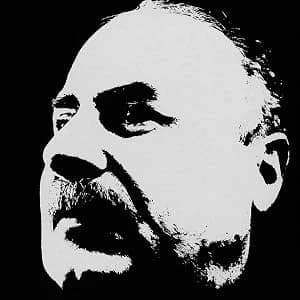
Architect Imad Darouich
المهندس المعماري عماد درويش
مهندس معماري وكاتب ومؤسس 3DEPICS، يقيم في نيويورك. يكتب أدبًا ملحميًا يعبر الحدود واللغات والجغرافيا، حيث تلتقي الفلسفة بالعمارة، والروحانية بالتاريخ، والذاكرة بالخيال.