The Cemetery Without Graves: A Poem About Remembering the Dead
المقبرة بلا قبور
A city that no longer knows where its dead lie builds a cemetery with no graves, where names of light hang between earth and sky.
بقلم المهندس المعماري عماد درويش10 دقائق قراءة
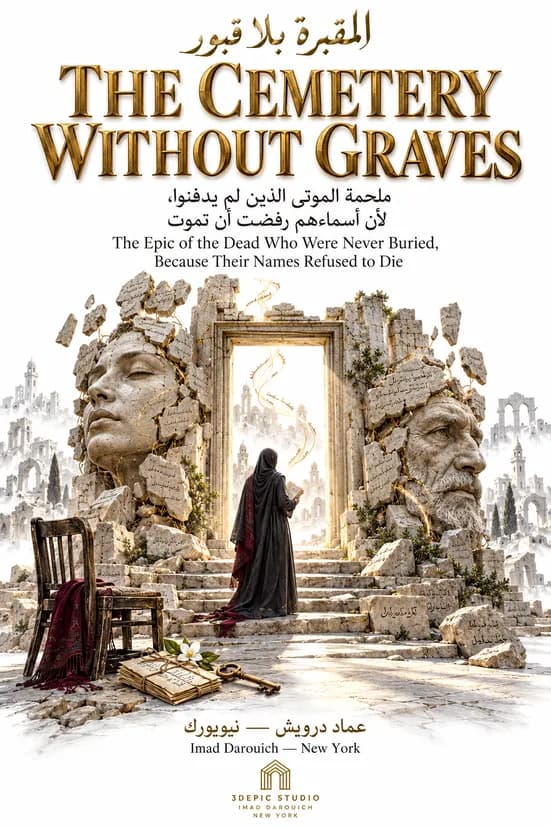
The Cemetery Without Graves is a poem about remembering the dead by Imad Darouich, in Arabic and English. After wars, earthquakes and migrations a city no longer knows where its dead are buried, so it raises their names in light above an empty field. Over ten chapters a widow, a boy whose father is missing and a man listed as dead come to it, and the city learns that people die twice.
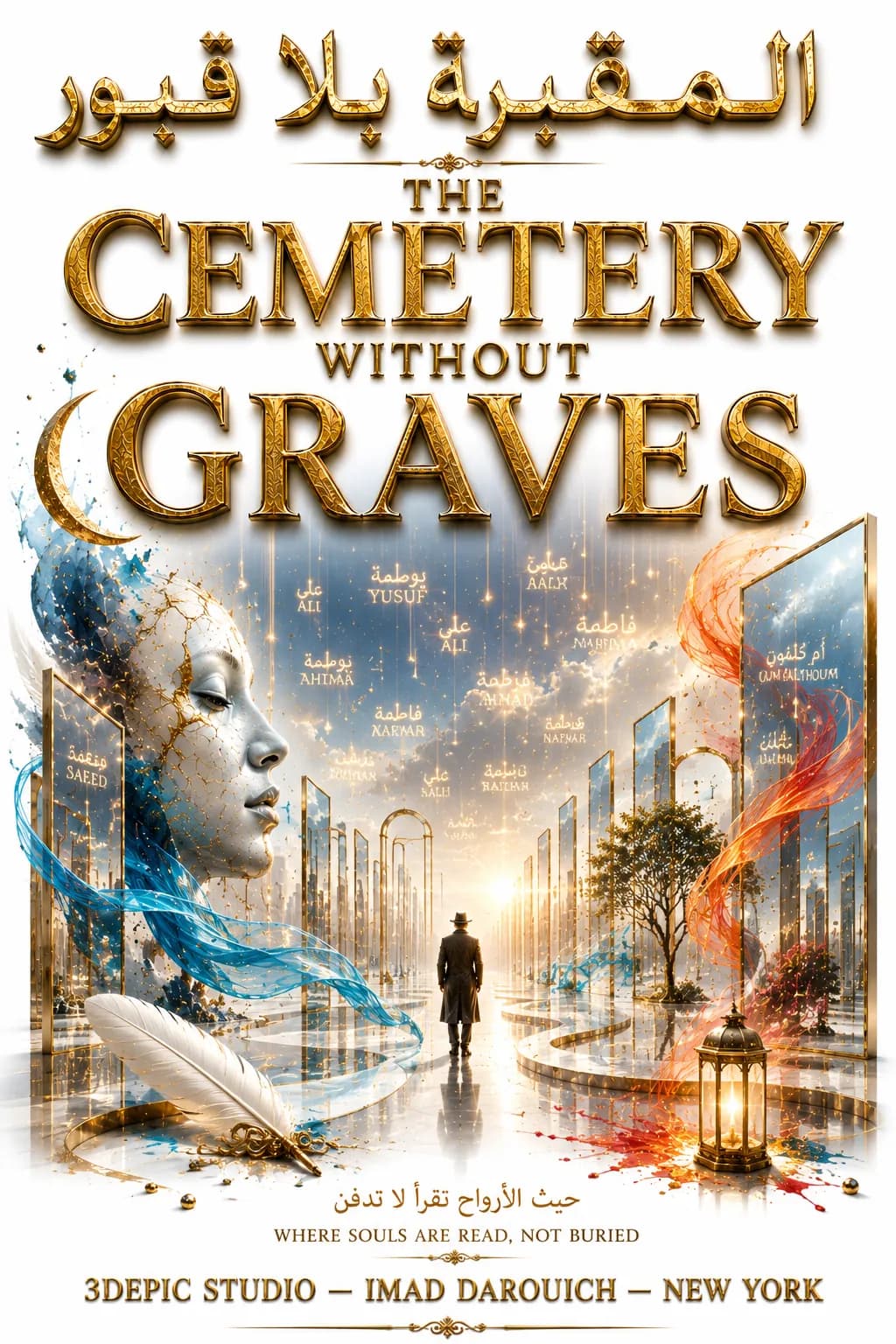
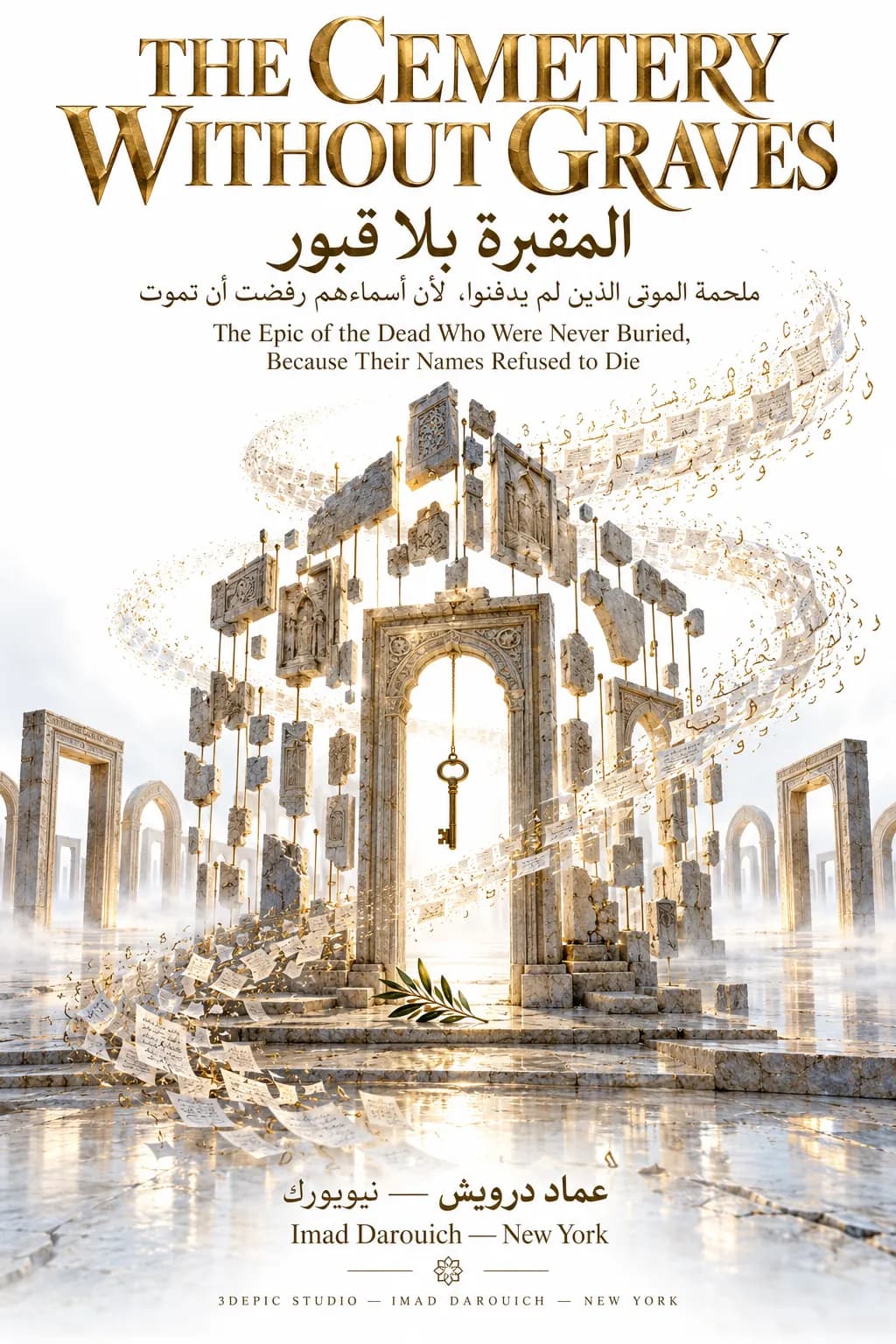
The Epic of the Dead Who Were Never Buried, Because Their Names Refused to Die
ملحمة الموتى الذين لم يُدفنوا، لأن أسماءهم رفضت أن تموت
البداية: The Beginning
لم تبدأ الحكاية بموت أحد.The story did not begin with anyone’s death.بدأت عندما اكتشفت المدينة أنها لم تعد تعرف أين دفنت موتاها.It began when the city discovered that it no longer knew where its dead had been buried.كانت الحروب قد مرّت.
Wars had passed.والزلازل مرّت.Earthquakes had passed.والهجرات أخذت العائلات بعيدًا.Migration had carried families away.بعض القبور هدمتها الطرق.Some graves had been erased by roads.وبعضها ابتلعته الأبنية.Others had been swallowed by buildings.وبعض الموتى لم يكن لهم قبر أصلًا.And some of the dead had never had a grave at all.اجتمع مجلس المدينة.The city council gathered.قال المهندس:The architect said:«نبني مقبرة جديدة.»“We build a new cemetery.”قال المؤرخ:The historian replied:
«لكن ماذا ندفن فيها؟»“But what would we bury there?”
ساد الصمت.Silence filled the chamber.
فالأجساد غابت.The bodies were gone.
والقبور ضاعت.The graves had vanished.
لكن الأسماء بقيت.Yet the names remained.
عندها قال رجل عجوز كان يجلس في آخر القاعة:Then an old man seated at the back of the chamber said:
«إذا بقي الاسم، فالميت لم يختفِ كله.»“If the name remains, the dead have not entirely disappeared.”
وهكذا وُلد المشروع الأكثر غرابة في تاريخ المدينة:Thus was born the strangest project in the city’s history:
مقبرة بلا قبور.A Cemetery Without Graves.
Chapter One: The Earth That Refused to Be Dug
الفصل الأول: الأرض التي رفضت الحفر
اختاروا أرضًا واسعة عند حافة المدينة.They chose a vast field at the city’s edge.جاءت الحفارات في الصباح.Excavators arrived in the morning.لكن الحاكم أمر بإعادتها.The ruler ordered them away.قال:He said:«لن نحفر قبرًا واحدًا.»“We will not dig a single grave.”نظر العمال إلى الأرض بدهشة.The workers stared at the ground in disbelief.كيف تُبنى مقبرة دون أن تُفتح الأرض؟How can a cemetery be built without opening the earth?جاء المهندسون.The engineers arrived.زرعوا أعمدة زجاجية رفيعة.
They planted slender glass columns.ومدوا بينها خيوطًا من الضوء.Between them, they stretched threads of light.وفي الليل حدث شيء لم تره المدينة من قبل.At night, something appeared that the city had never seen before.ارتفعت الأسماء في الهواء.Names rose into the air.آلاف الأسماء.Thousands of names.لا شواهد.No gravestones.لا تواريخ.No dates.لا صور.No portraits.فقط أسماء معلقة بين الأرض والسماء.Only names suspended between earth and sky.وبدا كأن الموتى رفضوا الأرض.It seemed as though the dead had refused the earth.
واختاروا الضوء.And chosen light.
Chapter Two: The First Visitor
الفصل الثاني: أول زائر
كان أول زائر امرأة عجوزًا.The first visitor was an old woman.
جاءت تبحث عن اسم زوجها.She came searching for her husband’s name.
لم تعرف أين تبدأ.She did not know where to begin.
فالأسماء لم تكن مرتبة أبجديًا.The names were not arranged alphabetically.
ولا حسب الموت.Nor by date of death.
ولا حسب المكان.Nor by place.
كانت تتحرك ببطء في الهواء.They moved slowly through the air.
كأن لكل اسم إرادة صغيرة.As though each name possessed a small will.مشت المرأة ساعات.The woman walked for hours.ثم توقفت.Then she stopped.كان أمامها اسم زوجها.Her husband’s name was before her.مدت يدها.She reached out.مرت أصابعها عبر الحروف.Her fingers passed through the letters.لم تلمس شيئًا.She touched nothing.قالت:She whispered:«حتى اسمك لم يعد له جسد.»“Even your name no longer has a body.”ثم جلست على الأرض.
Then she sat on the ground.ولأول مرة فهم الناس معنى هذه المقبرة.For the first time, people understood what this cemetery meant.لم تكن مكانًا يدفن الموتى.It was not a place to bury the dead.كانت مكانًا يأتي إليه الأحياء كي يعترفوا بأن الغائبين ما زالوا يسكنونهم.It was a place where the living came to admit that the absent still lived within them.
Chapter Three: The Child Who Searched for His Father
الفصل الثالث: الطفل الذي بحث عن أبيه
جاء طفل مع أمه.A child came with his mother.كان أبوه قد اختفى في حرب قديمة.His father had disappeared in an old war.لا قبر.No grave.لا جثمان.
No body.ولا يقين كامل بالموت.Not even complete certainty of death.سأل الطفل:The child asked:«إذا وجدنا اسمه هنا، هل يعني أنه مات؟»“If we find his name here, does that mean he is dead?”لم تجب الأم.The mother did not answer.بحثا.They searched.لم يجدا الاسم.They did not find it.ابتسم الطفل.The boy smiled.قال:He said:«إذن هو حي.»“Then he is alive.”
بكت الأم.The mother wept.
وفي اليوم التالي طلبت من الإدارة إضافة اسمه.The next day, she asked the administration to add his name.
ثم تراجعت.Then she changed her mind.
لم تستطع.She could not do it.
أحيانًا يحتاج الإنسان إلى غياب الاسم كي يحافظ على آخر نافذة للأمل.Sometimes a person needs the absence of a name to preserve the final window of hope.
Chapter Four: The Man Who Found His Own Name
الفصل الرابع: الرجل الذي وجد اسمه
في إحدى الليالي، دخل رجل المقبرة وحده.One night, a man entered the cemetery alone.كان يمشي بلا هدف.He wandered without purpose.قرأ أسماء الغرباء.
He read the names of strangers.ثم توقف فجأة.Then suddenly he stopped.كان اسمه أمامه.His own name was before him.الاسم كامل.The complete name.نفس الحروف.The same letters.نفس اسم الأب.The same father’s name.تراجع مذعورًا.He stepped back in terror.ذهب إلى الإدارة.He rushed to the administration.قال:He said:«أنا حي.»“I am alive.”
نظر الموظف إلى الشاشة.The clerk looked at the screen.قال:He replied:«بحسب السجل، أنت مت منذ سبع سنوات.»“According to the record, you died seven years ago.”ضحك الرجل.The man laughed.لكن الموظف لم يضحك.The clerk did not.قال الرجل:The man said:«إذا كان السجل يقول إنني ميت، وأنا أقول إنني حي، فمن تصدق؟»“If the record says I am dead, and I say I am alive, whom do you believe?”نظر الموظف إليه طويلًا.The clerk stared at him for a long moment.ثم قال:Then he said:«النظام لا يسمح لي بتعديل بيانات الموتى.»
“The system does not allow me to modify the records of the dead.”خرج الرجل إلى المقبرة.The man returned to the cemetery.وقف أمام اسمه.He stood before his name.ولأول مرة شعر أن الإنسان قد يموت إداريًا قبل أن يموت جسديًا.For the first time, he understood that a person can die administratively before dying physically.
Chapter Five: The Night of the Wind
الفصل الخامس: ليلة الريح
جاءت عاصفة قوية.A violent storm arrived.تحركت الأسماء.The names began to move.اختلطت ببعضها.They mingled with one another.أسماء الأطفال عبرت خلال أسماء الشيوخ.
Names of children passed through names of the elderly.أسماء الجنود اختلطت بأسماء أعدائهم.Names of soldiers mingled with those of their enemies.أسماء الأغنياء بالفقراء.The rich with the poor.الحكام بالمحكومين.Rulers with the ruled.وفي منتصف الليل لم يعد ممكنًا معرفة من كان ماذا.By midnight, it was impossible to know who had once been what.بقي الاسم فقط.Only the name remained.وهنا ظهرت مساواة لم تستطع المدينة تحقيقها وهي حية.There appeared an equality the city had never achieved among the living.فالموت لا يعرف الصفوف الأولى.Death knows no front rows.ولا الألقاب.No titles.ولا الحراس.
No guards.ولا القصور.No palaces.أمام النهاية، يصبح الاسم آخر ثياب الإنسان.Before the end, the name becomes humanity’s final garment.
Chapter Six: The Name That Refused to Shine
الفصل السادس: الاسم الذي رفض أن يضيء
كان هناك اسم واحد لا يضيء.One name refused to glow.بدّل الفنيون المصباح.Technicians changed the light.بدّلوا النظام.They changed the system.فحصوا الأسلاك.They checked the wiring.لكن الاسم بقي مظلمًا.Yet the name remained dark.جاءت عائلة الرجل.
The man’s family came.وقفوا أمام الحروف السوداء.They stood before the dark letters.قال ابنه:His son said:«ربما لا يريد أن نتذكره.»“Perhaps he does not want us to remember him.”قالت ابنته:His daughter replied:«أو ربما نحن لم نتذكره بما يكفي.»“Or perhaps we did not remember him enough.”ومنذ ذلك اليوم بدأ الزوار يتركون حكايات تحت الأسماء.From that day, visitors began leaving stories beneath the names.لا زهورًا.Not flowers.بل كلمات.Words.«كان أبي يضحك بصوت مرتفع.»“My father laughed loudly.”
«كانت أمي تخبئ الحلوى لنا.»“My mother hid sweets for us.”
«كان أخي يخاف من البحر.»“My brother was afraid of the sea.”
وهكذا لم تعد المقبرة تحفظ أسماء الموتى فقط.The cemetery no longer preserved only the names of the dead.
بدأت تحفظ التفاصيل الصغيرة التي تجعل الاسم إنسانًا.It began preserving the small details that make a name human.
Chapter Seven: The Thief of Names
الفصل السابع: لصّ الأسماء
في ليلة شتوية، اختفت سبعة أسماء.One winter night, seven names disappeared.
لم تُكسر أجهزة.No equipment was broken.
ولم تُقطع أسلاك.No wires were cut.
فقط اختفت الأسماء.Only the names vanished.
ارتعبت العائلات.The families panicked.
قالت امرأة:A woman cried:
«لقد مات أبي مرة ثانية.»“My father has died a second time.”
كانت الجملة أقسى من الحادثة.The sentence was harsher than the event.
فهمت المدينة أن الإنسان يموت مرتين.The city understood that a person can die twice.
مرة حين يتوقف قلبه.Once when the heart stops.
ومرة حين يتوقف اسمه عن المرور في ذاكرة أحد.And once when the name stops passing through anyone’s memory.
بعد أيام عادت الأسماء.Days later, the names returned.
لكن المدينة لم تعد كما كانت.The city was no longer the same.
Chapter Eight: The Revolt of the Nameless Dead
الفصل الثامن: ثورة الموتى المجهولين
بدأ السؤال الأخطر:Then came the most dangerous question:ماذا عن الذين لا نعرف أسماءهم؟What about those whose names we do not know?ماذا عن الجثث المجهولة؟What about unidentified bodies?الغرقى؟The drowned?المفقودين؟The missing?الأطفال الذين ماتوا قبل أن يسجلهم أحد؟Children who died before anyone registered them?والذين محا التاريخ أسماءهم عمدًا؟Those whose names history deliberately erased?كيف تبني مقبرة للأسماء إذا كان بعض الموتى بلا أسماء؟
How can one build a cemetery of names when some of the dead have none?اقترح فنان أن يتركوا فراغات مضيئة.An artist proposed luminous empty spaces.وهكذا ظهرت آلاف المستطيلات البيضاء.Thousands of white rectangles appeared.لا حروف فيها.No letters.لا أسماء.No names.فقط نور.Only light.وكانت أكثر أجزاء المقبرة رهبة.They became the most haunting part of the cemetery.فالاسم يخبرك بمن فقدنا.A name tells us whom we lost.أما الفراغ فيخبرك بأننا فقدنا شخصًا حتى دون أن نعرف من كان.Emptiness tells us we lost someone without even knowing who they were.
Chapter Nine: When the Names Began to Rise
الفصل التاسع: عندما بدأت الأسماء تصعد
في ليلة صافية، حدث شيء لم يفسره أحد.On a clear night, something happened that no one could explain.
بدأت الأسماء ترتفع.The names began to rise.
ببطء.Slowly.
مترًا.A meter.
ثم عشرة.Then ten.
ثم أعلى.Then higher.
خرج الناس من بيوتهم.People came out of their homes.
نظروا إلى السماء.They looked upward.
كانت آلاف الأسماء معلقة فوق المدينة.Thousands of names hovered above the city.بدت كأنها مجرة بشرية.They looked like a human galaxy.كل نقطة فيها حياة انتهت.Every point was a life that had ended.وكل ضوء كان يقول:Every light seemed to say:كنت هنا.I was here.لم يقل:It did not say:كنت غنيًا.I was rich.ولا:Nor:كنت مشهورًا.I was famous.ولا:
Nor:كنت قويًا.I was powerful.فقط:Only:كنت هنا.I was here.وربما تكون هذه أصدق جملة يستطيع الإنسان أن يتركها خلفه.Perhaps that is the truest sentence a human being can leave behind.
Chapter Ten: The Last Name
الفصل العاشر: آخر اسم
مرت قرون في خيال الحكاية.Centuries passed within the imagination of the story.اختفت المدينة القديمة.The old city vanished.انهارت الأبنية.Buildings collapsed.تغيرت اللغات.
Languages changed.وجاء أناس لا يعرفون شيئًا عن الذين عاشوا قبلهم.People arrived who knew nothing of those who had lived before them.لكن في الصحراء بقي ضوء صغير.Yet in the desert, one small light remained.اسم واحد.One name.لم يعد أحد يعرف صاحبه.No one knew to whom it belonged.ولا حياته.Nor his life.ولا زمنه.Nor his era.وقف طفل أمامه.A child stood before it.سأل أباه:He asked his father:«من هذا؟»“Who is this?”
قال الأب:The father answered:
«لا أعرف.»“I do not know.”
قال الطفل:The child asked:
«فلماذا بقي اسمه؟»“Then why did his name remain?”
نظر الأب إلى الضوء.The father looked at the light.
وقال:And said:
«ربما لكي نعرف أننا لسنا أول من وقف هنا.»“Perhaps so we know that we are not the first to stand here.”
النهاية: The Ending
المقبرة بلا قبور لم تكن في النهاية مقبرة.The Cemetery Without Graves was not, in the end, a cemetery.
كانت أرشيفًا للغياب.It was an archive of absence.
مدينةً ثانية يسكنها الذين لم يعودوا قادرين على السكن في المدن.A second city inhabited by those who could no longer inhabit cities.
لم تكن حجارتها من الرخام.Its stones were not marble.
ولا جدرانها من الإسمنت.Its walls were not concrete.
كان بناؤها الوحيد هو الذاكرة.Its only architecture was memory.
وكان الضوء مادتها.Light was its material.
والاسم نافذتها الأخيرة.And the name was its final window.
فنحن لا نخاف الموت وحده.We do not fear death alone.
نخاف أن نمر في العالم ثم يُمحى أثر مرورنا.We fear passing through the world and having every trace of that passage erased.
نخاف أن يأتي صباح لا ينطق فيه أحد أسماءنا.We fear a morning when no one speaks our names.
وعندها فهمت المدينة أن القبر الحقيقي ليس حفرة في الأرض.Then the city understood that the true grave is not a hole in the earth.القبر الحقيقي أن يسقط الإنسان من ذاكرة الأحياء.The true grave is to fall out of the memory of the living.أما من بقي اسمه في قلب إنسان،But whoever remains named in another heart,فقد بقي منه ضوء.A light remains of them.ولو انطفأت المدن.Even if cities go dark.ولو تفتتت الحجارة.Even if stones crumble.ولو ضاعت القبور.Even if graves disappear.وفي آخر الليل كانت الأرض فارغة تمامًا.At the end of the night, the earth was completely empty.لا شاهد.No gravestone.لا قبر.
No grave.لا تمثال.No monument.لكن فوقها كانت آلاف الأسماء تضيء.Yet above it, thousands of names were shining.وحين رفع آخر زائر رأسه نحوها، فهم أخيرًا:When the final visitor raised his head toward them, he finally understood:بعض الموتى ينامون تحت الأرض.Some of the dead sleep beneath the earth.وبعضهم يسكنون فوقها، في الذاكرة.Others live above it, in memory.
The Temporary City asks how a city keeps its memory when its buildings are moved, and Imad's life is a stage poem shares this ten-chapter form. For memory and loss, read Do Not Return: Wonder Does Not Live in Ruins.
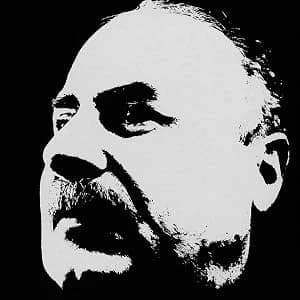
بقلم
Architect Imad Darouich
المهندس المعماري عماد درويش
مهندس معماري وكاتب ومؤسس 3DEPICS، يقيم في نيويورك. يكتب أدبًا ملحميًا يعبر الحدود واللغات والجغرافيا، حيث تلتقي الفلسفة بالعمارة، والروحانية بالتاريخ، والذاكرة بالخيال.