The Immaterial Currency: A Poem About Money
العملة اللامادية
One Monday money loses its body, and a city learns, through crashes and a trial with no defendant, that wealth was trust all along.
بقلم المهندس المعماري عماد درويش10 دقائق قراءة
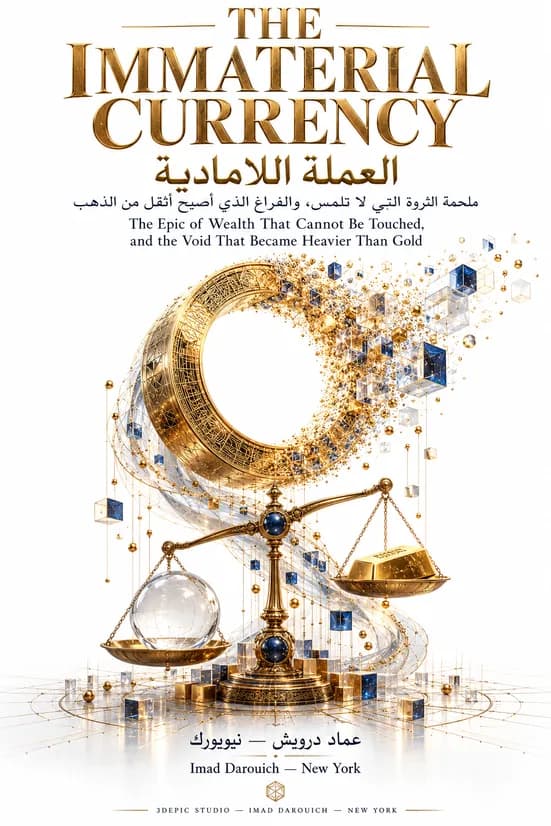
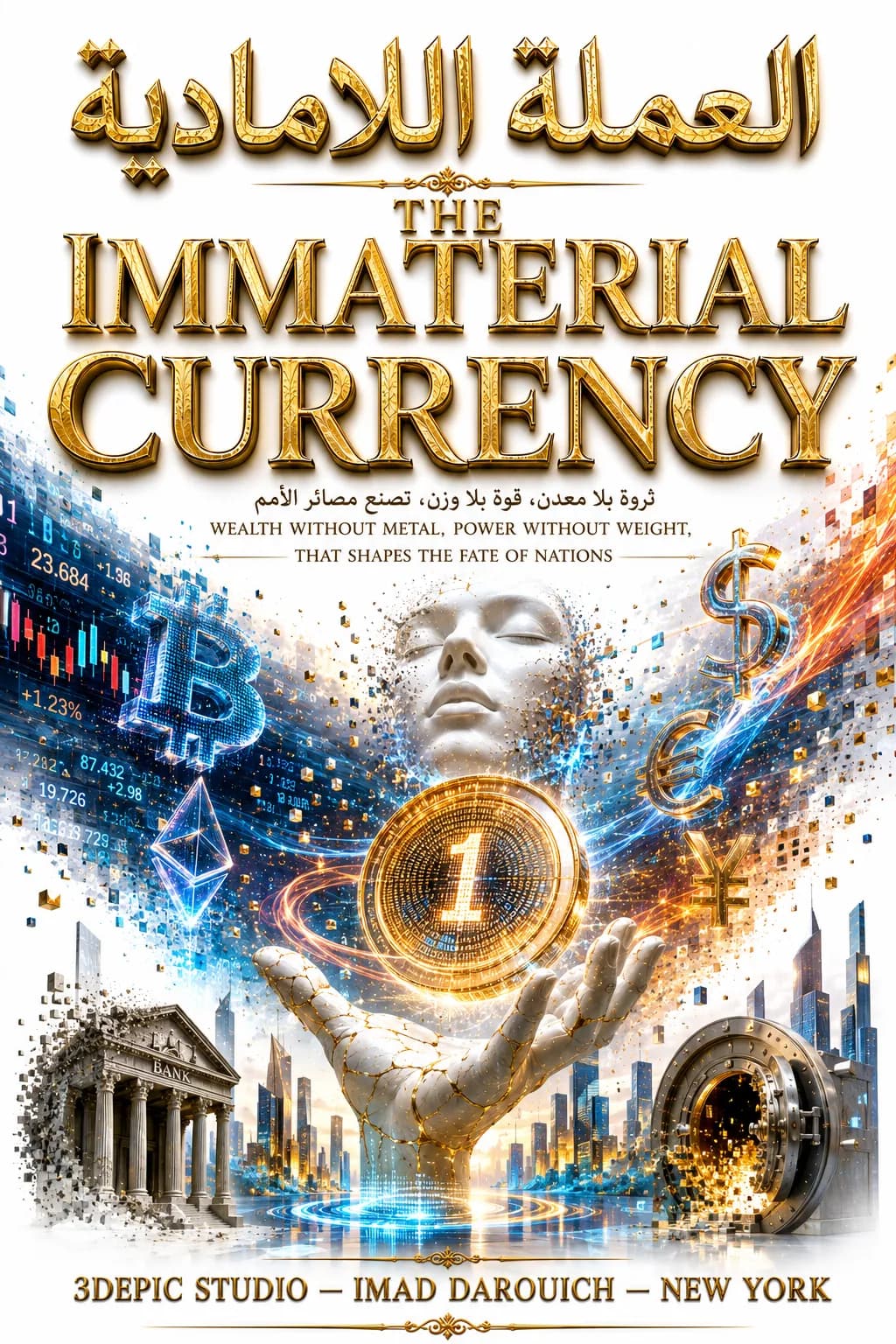
Fiat money, the currency of every major economy today, is backed by no gold or other asset and holds its value because the people who use it agree on that value. The Immaterial Currency, a poem about money by Imad Darouich in Arabic and English, imagines the morning money loses its body entirely, and follows banknotes into a museum, banks into screens and a city into a trial of trust.
The Epic of Wealth That Cannot Be Touched, and the Void That Became Heavier Than Gold
ملحمة الثروة التي لا تُلمس، والفراغ الذي أصبح أثقل من الذهب
البداية: The Beginning
في صباح يوم الاثنين، استيقظ العالم واكتشف أن المال فقد جسده.On Monday morning, the world awoke to discover that money had lost its body.
لم تختفِ الثروة.Wealth had not disappeared.
اختفى جسدها فقط.Only its body had vanished.
لم تعد هناك أوراق تُعدّ بالأصابع.There were no longer banknotes to count between fingers.ولا عملات تصطدم ببعضها في الجيوب.No coins striking one another inside pockets.ولا سبائك ذهب تنام خلف أبواب الخزائن.No gold bars sleeping behind vault doors.أصبح المال رقمًا.Money became a number.ثم أصبح إشارة.Then a signal.ثم أصبح ومضة تمر بين جهازين.Then a flash passing between two machines.قال وزير المالية:The finance minister said:«لقد حررنا المال من المادة.»“We have liberated money from matter.”لكن رجلًا عجوزًا في السوق سأل:But an old man in the marketplace asked:«وإذا حررتم المال من المادة، فمن سيحرر الإنسان من المال؟»
“And if you liberate money from matter, who will liberate humanity from money?”لم يجبه أحد.No one answered him.وفي تلك اللحظة بدأت الحكاية.And in that moment, the story began.
Chapter One: The Funeral of Paper
الفصل الأول: جنازة الورقة
في الساحة الكبرى، أقيم احتفال رسمي.In the great square, an official ceremony was held.وضعوا آخر ورقة نقدية داخل صندوق زجاجي.They placed the last banknote inside a glass case.وقف الناس أمامها كما يقفون أمام أثر من حضارة منقرضة.People stood before it as before a relic of an extinct civilization.قال طفل لأبيه:A child asked his father:«هل كان الناس يحملون المال بأيديهم؟»“Did people really carry money in their hands?”قال الأب:
The father replied:«نعم.»“Yes.”تعجب الطفل.The child was astonished.«ألم يكن ذلك ثقيلًا؟»“Wasn’t that heavy?”ابتسم الأب.The father smiled.لم يعرف كيف يشرح له أن الورقة كانت خفيفة.He did not know how to explain that paper had been light.وأن ما كان ثقيلًا هو معناها.What had been heavy was its meaning.
Chapter Two: The Bank That Became a Screen
الفصل الثاني: البنك الذي أصبح شاشة
في اليوم التالي، أغلقت البنوك أبوابها.The next day, banks closed their doors.لكنها لم تفلس.
They had not gone bankrupt.لقد أصبحت غير ضرورية كأماكن.They had simply become unnecessary as places.الخزائن بقيت فارغة.Vaults stood empty.الصناديق الحديدية صارت آثارًا.Steel deposit boxes became relics.والموظفون الذين قضوا أعمارهم خلف الزجاج اختفوا من المشهد.The clerks who had spent their lives behind glass disappeared from the scene.أصبح البنك تطبيقًا صغيرًا.The bank became a small application.أيقونة لا يتجاوز حجمها طرف الإصبع.An icon no larger than a fingertip.داخلها:Inside it:بيوت.Houses.مصانع.Factories.
ديون.Debts.
رواتب.Salaries.
أحلام.Dreams.
ومستقبل عائلات كاملة.And the futures of entire families.
صار اقتصاد مدينة كاملة قادرًا على الاختباء خلف قطعة زجاج سوداء في جيب رجل.The economy of an entire city could now hide behind a piece of black glass in a man’s pocket.
Chapter Three: The Millionaire Who Could Not Prove His Wealth
الفصل الثالث: المليونير الذي لم يستطع إثبات ثروته
كان هناك رجل يمتلك ثروة هائلة.There was a man who possessed an enormous fortune.أو هكذا قالت الشاشة.Or so the screen said.كان يستيقظ كل صباح وينظر إلى الرقم.
Every morning he woke and looked at the number.ثمانية أرقام.Eight digits.ثم تسعة.Then nine.كان يشعر بالقوة.He felt powerful.حتى جاء صباح لم تظهر فيه الأرقام.Until one morning the numbers did not appear.الشاشة قالت:The screen said:ERROR.اتصل بالبنك.He called the bank.لم يجد بنكًا.There was no bank.اتصل بالشركة.He called the company.أجابه صوت آلي.
An automated voice answered.قال الرجل:The man shouted:«أنا مليونير.»“I am a millionaire.”قال الصوت:The voice replied:«يرجى إدخال رقم الحساب.»“Please enter your account number.”أدخله.He entered it.قال الصوت:The voice answered:«الحساب غير موجود.»“The account does not exist.”جلس الرجل على الأرض.The man sat on the floor.لأول مرة اكتشف أن ثروته كلها كانت جملة توافق عليها أجهزة.For the first time, he discovered that his entire fortune had been a sentence upon which machines agreed.
وحين توقفت الأجهزة عن الاتفاق،And when the machines ceased to agree,
عاد الرجل فقيرًا دون أن يُسرق منه شيء يمكن لمسه.the man became poor without anything tangible ever being stolen from him.
Chapter Four: The Market of Ghosts
الفصل الرابع: سوق الأشباح
ظهرت بورصة جديدة.A new exchange appeared.لم يكن لها مبنى.It had no building.ولا قاعة تداول.No trading floor.ولا أجراس افتتاح.No opening bells.كانت موجودة في كل مكان ولا مكان.It existed everywhere and nowhere.في منتصف الليل كان الناس يشترون رموزًا لا يفهمونها.
At midnight, people bought symbols they did not understand.وفي الفجر يبيعونها لأشخاص لم يروهم.At dawn, they sold them to people they had never seen.ارتفعت قيمة رمز واحد ألف مرة.One symbol rose a thousandfold.اشترى رجل بيتًا من ارتفاعه.A man bought a house from its rise.وفي اليوم التالي انهار الرمز.The next day, the symbol collapsed.فقد الرجل البيت الذي لم يكن قد دخله بعد.The man lost the house he had not yet entered.لم يعد السوق مكانًا.The market was no longer a place.أصبح حالة نفسية جماعية.It had become a collective psychological state.الخوف يرفع الأسعار.Fear moved prices.الطمع يخفضها.Greed distorted them.
والشائعة تستطيع أن تمحو ثروة مدينة قبل الإفطار.A rumor could erase a city’s wealth before breakfast.
Chapter Five: The Man Who Bought Emptiness
الفصل الخامس: الرجل الذي اشترى الفراغ
ظهر بائع غريب.A strange merchant appeared.
كان يبيع شيئًا سماه:He sold something he called:
وحدات الفراغ.Units of Emptiness.
سأله الناس:People asked:
«ماذا نملك عندما نشتريها؟»“What do we own when we buy them?”
قال:He replied:
«إثباتًا بأنكم تملكونها.»“Proof that you own them.”
قالوا:They asked:«وأين الشيء الذي نملكه؟»“And where is the thing we own?”ابتسم.He smiled.«أنتم تفكرون بطريقة قديمة.»“You are thinking in an old way.”اشترى الناس.People bought.ارتفعت الأسعار.Prices rose.صار من اشترى الفراغ مبكرًا غنيًا.Those who bought emptiness early became rich.وحين أصبح الجميع يريد الفراغ،And when everyone wanted emptiness,أصبح الفراغ نادرًا.emptiness became scarce.وهكذا حدثت إحدى أعظم مفارقات الاقتصاد:
Thus occurred one of economics’ greatest paradoxes:استطاع الإنسان أن يصنع الندرة من شيء غير موجود.Humanity managed to manufacture scarcity out of something that did not exist.
Chapter Six: The Child and the Gold Coin
الفصل السادس: الطفل والقطعة الذهبية
وجد طفل قطعة ذهب قديمة في صندوق جده.A child found an old gold coin in his grandfather’s chest.
حملها إلى المدرسة.He took it to school.
تجمع الأطفال حولها.The children gathered around it.
لم يصدقوا أن المال كان يلمع.They could not believe money once shone.
مرروها بينهم.They passed it from hand to hand.
كان لها وزن.It had weight.
حرارة.Warmth.صوت.Sound.حتى رائحة خفيفة للمعدن.Even a faint metallic smell.قال طفل:One child said:«هذه حقيقية.»“This is real.”سأله المعلم:The teacher asked:«وما معنى حقيقية؟»“What does real mean?”سكت الطفل.The child fell silent.وهنا دخل السؤال إلى الفصل كضيف خطير:And then the question entered the classroom like a dangerous guest:هل الشيء حقيقي لأنه يُلمس؟
Is something real because it can be touched?أم لأنه يستطيع تغيير حياتنا؟Or because it can change our lives?
Chapter Seven: The Day Trust Died
الفصل السابع: يوم ماتت الثقة
لم يسقط النظام بسبب حرب.The system did not collapse because of war.ولا بسبب زلزال.Nor an earthquake.ولا بسبب مجاعة.Nor famine.حدث شيء أبسط.Something simpler happened.توقف الناس عن التصديق.People stopped believing.في صباح واحد، حاول الجميع تحويل رموزهم إلى شيء آخر.In a single morning, everyone tried to exchange their symbols for something else.بيوت.
Houses.طعام.Food.أرض.Land.ذهب.Gold.أي شيء له وجود خارج الشاشة.Anything that existed outside a screen.لكن الجميع أراد الخروج من الباب نفسه في اللحظة نفسها.Everyone wanted to leave through the same door at the same moment.وهنا ظهر السر الذي أخفته العملة منذ البداية:Then appeared the secret currency had concealed from the beginning:قيمتها لم تكن داخلها.Its value was never inside it.كانت في اتفاق الناس عليها.It existed in people’s agreement.حين مات الاتفاق،
When agreement died,ماتت القيمة.value died with it.
Chapter Eight: The Trial of Money
الفصل الثامن: محاكمة المال
بعد الانهيار، قررت المدينة محاكمة العملة.After the collapse, the city decided to put currency on trial.لكن المحكمة واجهت مشكلة.The court faced a problem.أين المتهم؟Where was the accused?لا جسد له.It had no body.لا عنوان.No address.لا وجه.No face.وضع القاضي شاشة على كرسي المتهم.
The judge placed a screen in the defendant’s chair.قال:He said:«أنت متهم بخداع الملايين.»“You are accused of deceiving millions.”ظهرت على الشاشة جملة:A sentence appeared on the screen:أنا لم أخدع أحدًا.I deceived no one.سأل القاضي:The judge asked:«إذن من فعل؟»“Then who did?”ظهرت الإجابة:The answer appeared:أنتم.You did.ساد الصمت.Silence filled the courtroom.
ثم ظهرت جملة ثانية:Then a second sentence appeared:
أنا القيمة التي اتفقتم عليها.I am the value you agreed upon.
أنا الخوف الذي تداولتموه.I am the fear you traded.
أنا الطمع الذي رقمنتموه.I am the greed you digitized.
أنا أنتم عندما تحولون الثقة إلى رقم.I am you when you turn trust into a number.
لم يعرف القاضي ماذا يكتب في الحكم.The judge did not know what to write in the verdict.
Chapter Nine: The Last Museum of Money
الفصل التاسع: المتحف الأخير للنقود
بعد سنوات، افتُتح متحف.Years later, a museum opened.
في القاعة الأولى:In the first hall:
أصداف.Shells.في الثانية:In the second:قطع فضية.Silver coins.في الثالثة:In the third:ذهب.Gold.ثم أوراق نقدية.Then banknotes.بطاقات بلاستيكية.Plastic cards.شاشات.Screens.رموز.Symbols.وفي آخر المتحف كانت هناك قاعة بيضاء تمامًا.
At the end of the museum was an entirely white hall.لا شيء فيها.There was nothing inside.سأل الزائر:A visitor asked:«أين العملة؟»“Where is the currency?”قال المرشد:The guide replied:«هذه هي.»“This is it.”قال الرجل:The man asked:«أين؟»“Where?”أشار المرشد إلى الفراغ.The guide pointed toward the emptiness.وقال:And said:
«في رأسك.»“In your mind.”
Chapter Ten: The Richest Man in the World
الفصل العاشر: أغنى رجل في العالم
بعد قرن، لم تعد الثروة تُقاس بما يملكه الإنسان.A century later, wealth was no longer measured by what a person possessed.بل بمقدار الثقة التي يمنحه الآخرون.But by how much trust others gave him.ظهر رجل لا يملك بيتًا.There appeared a man who owned no house.ولا أرضًا.No land.ولا ذهبًا.No gold.ولا حسابًا مصرفيًا.No bank account.ومع ذلك وصفته الصحف بأنه:
Yet newspapers called him:أغنى رجل في العالم.The Richest Man in the World.لماذا؟Why?لأن مليار إنسان كانوا يثقون بكلمته.Because a billion people trusted his word.قال جملة،He spoke a sentence,فتغيرت الأسواق.markets moved.صمت،He remained silent,فانهارت شركات.companies fell.ابتسم،He smiled,فارتفعت عملات.currencies rose.
عندها اكتشف العالم أن العملة اللامادية الأخيرة لم تكن رقمًا.Then the world discovered that the final immaterial currency was not a number.
ولا رمزًا.Nor a symbol.
ولا برنامجًا.Nor software.
كانت شيئًا أقدم من الذهب.It was something older than gold.
الثقة.Trust.
النهاية: The Ending
جلس الرجل العجوز نفسه في السوق.The same old man sat in the marketplace.كان قد شاخ أكثر.He had grown older.مر طفل يحمل جهازًا صغيرًا.A child passed carrying a small device.قال للعجوز:
He told the old man:«أنا أملك عشرة آلاف وحدة.»“I own ten thousand units.”سأله العجوز:The old man asked:«أين هي؟»“Where are they?”أشار الطفل إلى الجهاز.The child pointed to the device.ابتسم العجوز.The old man smiled.وأخرج من جيبه قطعة نقدية قديمة.He took an old coin from his pocket.وضعها في يد الطفل.He placed it in the child’s hand.سمع الطفل رنين المعدن.The child heard the ring of metal.نظر إليه بدهشة.He stared at it in wonder.
ثم أعادها.Then he returned it.وقال:And said:«ثقيلة.»“It is heavy.”ضحك العجوز.The old man laughed.وقال:And said:«لا يا بني.»“No, my son.”«هذه أخف أنواع المال.»“This is the lightest kind of money.”نظر الطفل إليه.The child looked at him.فسأله:And asked:«وما أثقلها؟»
“What is the heaviest?”رفع العجوز إصبعه إلى رأس الطفل.The old man raised a finger toward the child’s head.ثم وضع يده على قلبه.Then placed his hand over his heart.وقال:And said:«المال الذي لا تستطيع أن تلمسه، ومع ذلك تخاف أن تفقده.»“The money you cannot touch, yet still fear losing.”وهنا تكتمل المفارقة.And here the paradox becomes complete.بدأ المال حجرًا.Money began as stone.ثم معدنًا.Then metal.ثم ورقًا.Then paper.ثم رقمًا.Then a number.
ثم ضوءًا.Then light.
وأخيرًا عاد إلى المكان الذي وُلد فيه منذ البداية:And finally, it returned to the place where it had been born from the beginning:
العقل البشري.The human mind.
فالمال، مهما تغيّر شكله، ليس مادة فقط.For money, whatever form it takes, is never merely matter.
إنه اتفاق.It is agreement.
ثقة.Trust.
خوف.Fear.
رغبة.Desire.
ووعد بأن شيئًا غير مرئي يمكن أن يمنحنا شيئًا حقيقيًا.And a promise that something invisible can give us something real.
ربما لم تصبح العملة لامادية حديثًا.Perhaps currency did not recently become immaterial.ربما كانت كذلك دائمًا.Perhaps it always was.فالذهب نفسه لا يصبح ثروة إلا عندما نتفق أنه ثروة.Gold itself becomes wealth only when we agree that it is wealth.والورقة لا تصبح مالًا إلا عندما نصدق ما كُتب عليها.Paper becomes money only when we believe what is written upon it.والرقم لا يصبح ثروة إلا حين يؤمن به الآخرون.A number becomes wealth only when others believe in it.وهكذا أصبح أخطر بناء اقتصادي في التاريخ بناءً بلا حجر.And so the most powerful economic structure in history became an architecture without stone.أساساته الثقة.Its foundations are trust.جدرانه الأرقام.Its walls are numbers.أبوابه الشاشات.
Its doors are screens.وسقفه الخيال البشري.And its roof is human imagination.
Imad's Arabic poem about time takes the hands off every clock in the same ten-chapter form. When Humanity Trusted the Machine More than the Ruler asks what happens when trust in institutions fails, and The Museum of the Closed Future is another satire of a city and its promises.
بقلم
Architect Imad Darouich
المهندس المعماري عماد درويش
مهندس معماري وكاتب ومؤسس 3DEPICS، يقيم في نيويورك. يكتب أدبًا ملحميًا يعبر الحدود واللغات والجغرافيا، حيث تلتقي الفلسفة بالعمارة، والروحانية بالتاريخ، والذاكرة بالخيال.