The Story of Contemporary Epics: About 3DEPICS
حكاية الملحمة المعاصرة: معلومات عنا
How 3DEPICS began with one question, whether the epic can still live today, and who the hero of an epic is now.
بقلم المهندس المعماري عماد درويش9 دقائق قراءة
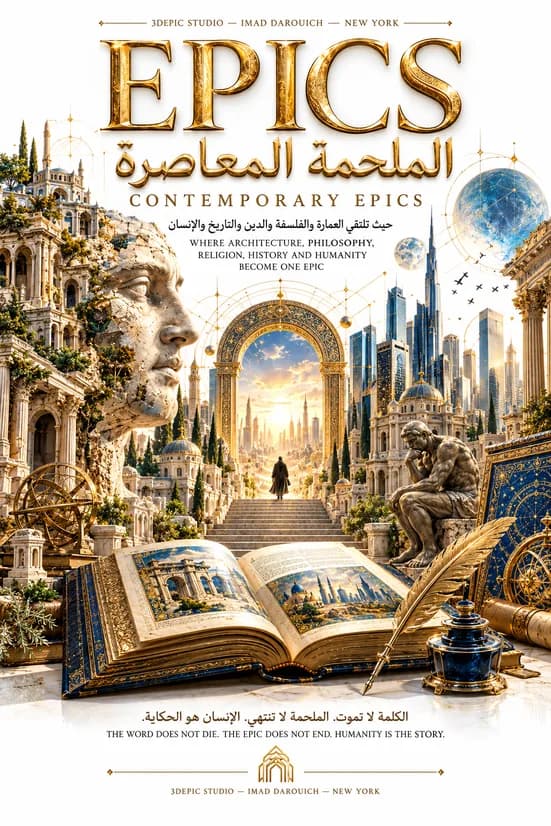
3DEPICS publishes contemporary epics, bilingual ebooks in Arabic and English by the New York architect Imad Darouich on architecture, cities, art, faith and philosophy. The Story of Contemporary Epics is Imad's account of the project and his case for the epic in 21st century literature: a hero who carries no sword and fights time, identity, technology and doubt, in books meant to be read slowly.
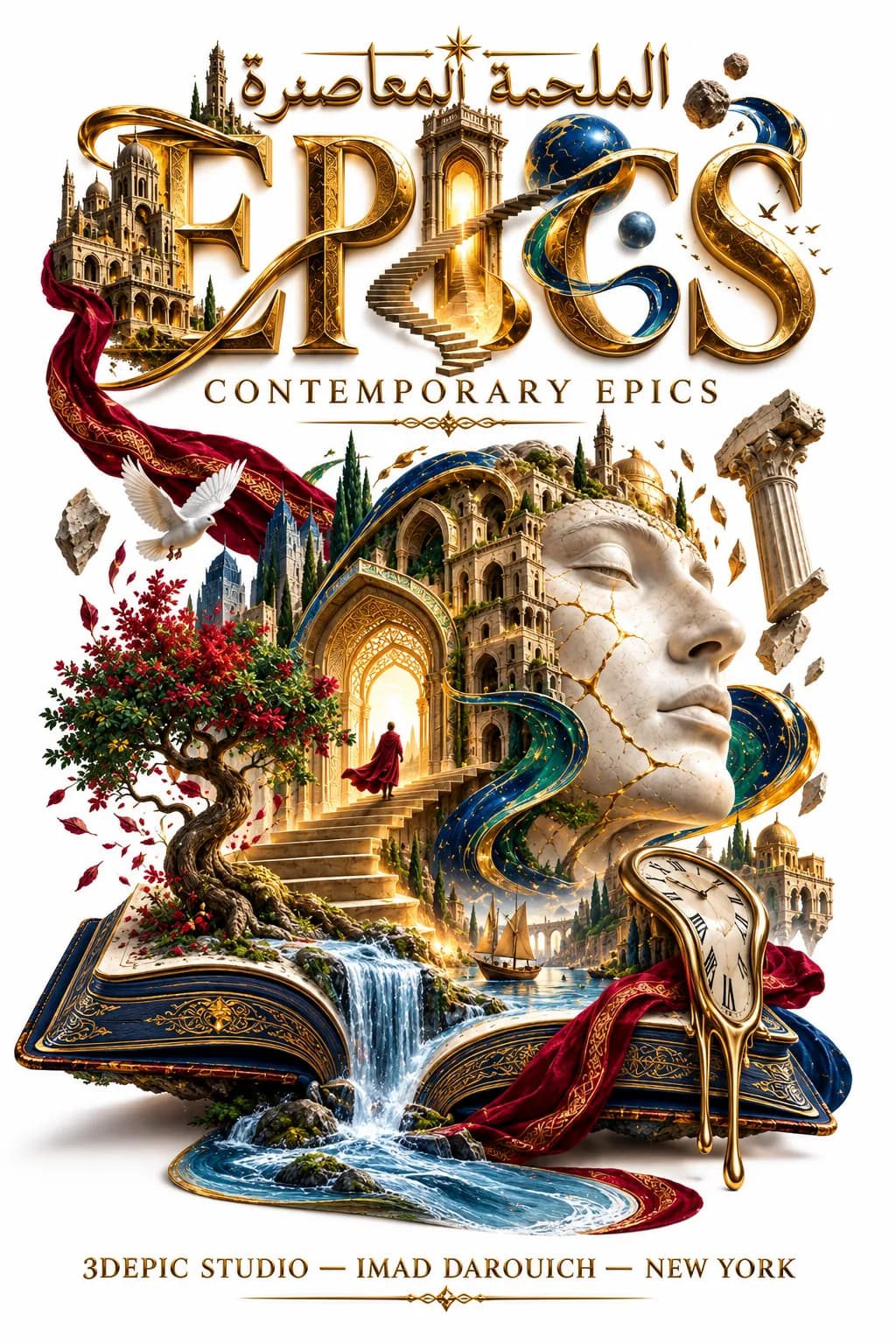
The Beginning
البداية
لم نبدأ بفكرة إنشاء دار نشر تقليدية.We did not begin with the idea of creating a traditional publishing house.
بدأنا بسؤال أكبر.We began with a larger question.
هل ما زالت الملحمة قادرة على الحياة في القرن الحادي والعشرين؟Can the epic still live in the twenty-first century?
هل تستطيع الكلمة الطويلة أن تعيش في زمن السرعة؟Can the long-form word survive in an age of speed?
وهل يستطيع الكتاب أن ينافس الشاشة دون أن يتحول إليها؟Can the book coexist with the screen without becoming one?
من هذه الأسئلة بدأت الملحمة المعاصرة.From these questions, Contemporary Epics began.
الفصل الأول، لماذا عدنا إلى الملحمة؟
Chapter One: Why We Returned to the Epic
الملحمة من أقدم محاولات الإنسان لمقاومة النسيان.The epic is among humanity’s oldest attempts to resist oblivion.
بها حفظ الإنسان البطولة والهزيمة والحب والحرب والرحلة.Through it, humanity preserved heroism, defeat, love, war, and journey.
لكننا لا نريد إعادة كتابة الملاحم القديمة.But we do not seek to rewrite ancient epics.
ولا نريد تقليد أصوات الماضي.Nor do we seek to imitate the voices of the past.
نريد أن نسأل سؤالًا مختلفًا.We want to ask a different question.
ما ملحمة الإنسان اليوم؟What is the epic of humanity today?
قد لا يحمل بطلها سيفًا.Its hero may carry no sword.
وقد لا يعبر بحارًا مجهولة.He may cross no unknown seas.
لكنه يعيش معارك من نوع آخر.Yet he lives through battles of another kind.
مع الزمن.With time.
ومع الهوية.With identity.
ومع السلطة.With power.
ومع التكنولوجيا.With technology.
ومع الإيمان والشك.With faith and doubt.
ومع السؤال الأصعب: كيف يبقى الإنسان إنسانًا؟And with the hardest question: How does one remain human?
من هنا عادت الملحمة.From here, the epic returned.
لكنها عادت بلغة جديدة.But it returned in a new language.
الفصل الثاني، الكلمة التي رفضت أن تصبح عابرة
Chapter Two: The Word That Refused to Become Fleeting
نعيش في زمن الكلمات السريعة.We live in an age of rapid words.
جملة تظهر ثم تختفي.A sentence appears and disappears.
صورة تولد ثم تُدفن تحت ألف صورة.An image is born and buried beneath a thousand others.
خبر يملأ العالم صباحًا،A story fills the world in the morning,
ثم يكاد يُنسى مساءً.then is nearly forgotten by evening.
وسط هذا التدفق، أردنا أن نتوقف.Amid this flow, we wanted to stop.
لا رفضًا للعصر،Not in rejection of the age,
بل دفاعًا عن المعنى.but in defense of meaning.
نؤمن أن بعض الكلمات تحتاج إلى وقت.We believe some words require time.
وبعض الأفكار تحتاج إلى صمت.Some ideas require silence.
وبعض الأسئلة لا ينبغي اختصارها.Some questions should not be shortened.
لهذا نكتب الملاحم.That is why we write epics.
كي نستعيد حق الإنسان في القراءة البطيئة.To restore humanity’s right to slow reading.
وحق الفكرة في أن تكتمل.And the idea’s right to become complete.
الفصل الثالث، عندما التقت العمارة بالأدب
Chapter Three: When Architecture Met Literature
العمارة بالنسبة إلينا ليست خلفية للحكاية.For us, architecture is not merely the background of a story.
إنها إحدى شخصياتها.It is one of its characters.
الجدار يتذكر.The wall remembers.
والنافذة تنظر.The window watches.
والباب يفصل عالمًا عن عالم.The door separates one world from another.
والمدينة تحمل سيرة ملايين البشر.The city carries the biographies of millions.
لهذا دخلت العمارة إلى الملاحم.That is why architecture entered our epics.
نكتب عن المبنى كما نكتب عن الإنسان.We write about a building as we write about a human being.
نسأل لماذا وُلد.We ask why it was born.
ومن بناه.Who built it.
وما الحلم الذي كان وراءه.What dream stood behind it.
وكيف غيّره الزمن.How time transformed it.
فالعمارة ذاكرة متجسدة.Architecture is embodied memory.
وحين تتكلم الحجارة، تبدأ الملحمة المعمارية.When stones speak, the architectural epic begins.
الفصل الرابع، الفن الذي خرج من الإطار
Chapter Four: Art That Stepped Out of the Frame
نحن لا نكتب عن اللوحة لنصف ألوانها فقط.We do not write about a painting merely to describe its colors.
نبحث عما حدث خلف اللون.We search for what happened behind the color.
عن الإنسان الذي أمسك الفرشاة.For the human being who held the brush.
عن خوفه.His fear.
وعشقه.His love.
وعصره.His age.
والشيء الذي لم يستطع قوله إلا بالرسم.And what he could say only through painting.
من هنا ولدت الملاحم الفنية.From here, the Artistic Epics were born.
الفن فيها ليس زينة.Art within them is not decoration.
إنه وثيقة روحية.It is a spiritual document.
أحيانًا يكون صرخة.Sometimes it is a scream.
وأحيانًا صلاة.Sometimes a prayer.
وأحيانًا مرآةً لا نريد أن نرى أنفسنا فيها.Sometimes a mirror in which we do not wish to see ourselves.
الفصل الخامس، الإيمان والبحث عن المعنى
Chapter Five: Faith and the Search for Meaning
من أعمق حكايات الإنسان علاقته بالمقدس.Among humanity’s deepest stories is its relationship with the sacred.
لهذا كان للدين والأنبياء مكان أساسي في مشروعنا.That is why religion and the prophets hold an essential place in our project.
نقترب من هذه الموضوعات باحترام.We approach these subjects with respect.
وبوعي لمسؤولية الكلمة.And with awareness of the responsibility of words.
نكتب عن الأنبياء عليهم السلام،We write about the prophets, peace be upon them,
وعن الرسالات،about revelation,
والعدل،justice,
والرحمة،mercy,
والتوبة،repentance,
والصبر،patience,
وعلاقة الإنسان بخالقه.and humanity’s relationship with its Creator.
لا نبحث عن تحويل المقدس إلى مشهد.We do not seek to turn the sacred into spectacle.
بل نبحث عن أثره في الإنسان.We seek its effect upon the human being.
لأن الإيمان كان دائمًا أحد أكبر الأسئلة في الحكاية الإنسانية.Because faith has always been one of the great questions of the human story.
الفصل السادس، الفلسفة عندما تصبح حكاية
Chapter Six: When Philosophy Becomes Story
الفلسفة ليست مجموعة أسماء صعبة.Philosophy is not a collection of difficult names.
إنها أسئلة نعيشها كل يوم.It is a set of questions we live every day.
ما الحقيقة؟What is truth?
ما الخير؟What is good?
ما الحرية؟What is freedom?
ما العدالة؟What is justice?
ماذا نستطيع أن نعرف؟What can we know?
ومن نحن حين تنهار يقيناتنا؟Who are we when our certainties collapse?
في ملاحمنا، نريد للفلسفة أن تخرج من الرفوف.In our epics, we want philosophy to leave the shelves.
أن تمشي في الشارع.To walk in the street.
أن تدخل البيت.To enter the home.
وأن تجلس إلى جانب القارئ.To sit beside the reader.
نكتب عن سقراط وأفلاطون وأرسطو وكانط وغيرهم،We write about Socrates, Plato, Aristotle, Kant, and others,
لكننا لا نبحث عن تماثيل فكرية.but we do not seek intellectual statues.
نبحث عن السؤال الحي داخل أفكارهم.We seek the living question within their thought.
الفصل السابع، التاريخ ليس ماضيًا
Chapter Seven: History Is Not the Past
التاريخ لا يعيش خلفنا فقط.History does not live only behind us.
إنه يعيش داخل حاضرنا.It lives within our present.
في حدود الدول.In national borders.
وفي أسماء الشوارع.In street names.
وفي الذاكرة.In memory.
وفي الخوف.In fear.
وفي الأحلام التي ورثناها.In the dreams we inherited.
لهذا نكتب التاريخ كقصة إنسانية.That is why we write history as a human story.
لا نكتفي بالملوك والقادة.We do not stop with kings and leaders.
نبحث عن الناس الذين عاشوا تحت القرارات الكبرى.We search for the people who lived beneath great decisions.
عن الذين بنوا المدن.Those who built cities.
والذين فقدوها.Those who lost them.
والذين هاجروا منها.Those who migrated from them.
والذين حملوها في الذاكرة.Those who carried them in memory.
التاريخ عندنا ليس تقويمًا.For us, history is not a calendar.
إنه ذاكرة تتحرك.It is memory in motion.
الفصل الثامن، الإنسان في مركز الملحمة
Chapter Eight: The Human at the Center of the Epic
مهما تغيرت موضوعاتنا، يبقى الإنسان في المركز.However our subjects change, the human being remains at the center.
ليس الإنسان المثالي.Not the perfect human.
بل الإنسان الحقيقي.But the real one.
الذي يخطئ.Who makes mistakes.
ويخاف.Who fears.
ويحب.Who loves.
ويفقد.Who loses.
ويهاجر.Who migrates.
ويبني من جديد.Who builds again.
إنسان المدينة الحديثة،The human of the modern city,
المحاط بالشاشات،surrounded by screens,
والمعلومات،information,
والضجيج،noise,
والاختيارات التي لا تنتهي.and endless choices.
هذا الإنسان قد يبدو بعيدًا عن أبطال الملاحم القديمة.This human may seem far from the heroes of ancient epics.
لكنه يحمل معركته الخاصة.Yet he carries his own battle.
ولهذا نكتب عنه.That is why we write about him.
لأن الملحمة المعاصرة تبدأ من الإنسان المعاصر.Because the Contemporary Epic begins with the contemporary human.
الفصل التاسع، الصورة والتكنولوجيا والكتاب الجديد
Chapter Nine: Image, Technology, and the New Book
نحن أبناء عصر بصري.We are children of a visual age.
ولهذا لا نفصل الكلمة عن الصورة.That is why we do not separate the word from the image.
نستخدم التصميم،We use design,
والنمذجة ثلاثية الأبعاد،3D modeling,
والأدوات الرقمية،digital tools,
والتقنيات المعاصرة،contemporary technologies,
لبناء تجربة تتجاوز الصفحة التقليدية.to build an experience beyond the traditional page.
لكن التكنولوجيا عندنا أداة.But technology, for us, is a tool.
وليست الغاية.It is not the goal.
يمكن للأداة أن تصنع ألف صورة.A tool can produce a thousand images.
لكن الرؤية هي التي تقرر أي صورة تستحق البقاء.Vision decides which image deserves to remain.
يمكنها أن تساعد في تشكيل العالم.It can help shape the world.
لكن الإنسان هو الذي يمنحه المعنى.But the human being gives it meaning.
ولهذا نريد للكتاب المعاصر أن يكون أدبيًا وفنيًا وبصريًا في الوقت نفسه.That is why we want the contemporary book to be literary, artistic, and visual at once.
كتابًا يُقرأ.A book to be read.
ويُرى.To be seen.
ويُلمس.To be touched.
ويُحتفظ به.And to be kept.
الفصل العاشر، من نحن اليوم؟
Chapter Ten: Who Are We Today?
نحن لسنا دار نشر تقليدية.We are not a traditional publishing house.
ولا نريد أن نكون مصنعًا للكتب.Nor do we want to become a factory of books.
نحن مساحة فكرية وإبداعية.We are an intellectual and creative space.
مكان يلتقي فيه الأدب بالفن.A place where literature meets art.
والعمارة بالفلسفة.Architecture meets philosophy.
والتاريخ بالذاكرة.History meets memory.
والإيمان بالسؤال.Faith meets questioning.
والتكنولوجيا بالخيال الإنساني.Technology meets human imagination.
نريد إعادة الملحمة إلى مكانها.We want to restore the epic to its place.
لا كأثر أدبي قديم.Not as an ancient literary relic.
بل كصيغة قادرة على قراءة حاضرنا.But as a form capable of reading our present.
نريد أن نثير الفضول.We want to awaken curiosity.
ونستفز الفكر.To provoke thought.
ونحمي حق القارئ في السؤال.To protect the reader’s right to question.
ونعيد للجمال مكانه في الكتاب.To restore beauty to the book.
نؤمن بأن الكلمة ما زالت قادرة على التغيير.We believe the word is still capable of change.
وأن الكتاب لم يمت.We believe the book has not died.
وأن الإنسان ما زال يحتاج إلى الحكاية.We believe humanity still needs story.
وأن الملحمة لم تنتهِ.And we believe the epic has not ended.
لقد تغيّر بطلها.Its hero has changed.
وتغيّر عالمها.Its world has changed.
وتغيّرت أدواتها.Its tools have changed.
لكن حاجتنا إليها بقيت.But our need for it remains.
The Ending
الخاتمة
هذه هي قصتنا.This is our story.
وهذه هي رؤيتنا.This is our vision.
نكتب لأن بعض الأفكار تستحق أكثر من منشور عابر.We write because some ideas deserve more than a fleeting post.
ونصمم لأن الجمال جزء من المعنى.We design because beauty is part of meaning.
ونعود إلى التاريخ لكي نفهم الحاضر.We return to history to understand the present.
ونذهب إلى الفن لكي نرى ما لا تستطيع الكلمات وحدها أن تقوله.We turn to art to see what words alone cannot say.
ونفتح أبواب الفلسفة لأن السؤال بداية الوعي.We open the doors of philosophy because questioning is the beginning of awareness.
ونكتب عن الإنسان لأنه بداية كل حكاية ونهايتها.And we write about humanity because it is the beginning and end of every story.
نحن لا نعيد كتابة الملحمة القديمة.We are not rewriting the ancient epic.
نحن نكتب ملحمة عصرنا.We are writing the epic of our age.
الملحمة لم تنتهِ…The epic has not ended…
لقد تغيّرت لغتها.Its language has changed.
The Birth of Epics tells the same beginning chapter by chapter, and the book Contemporary Epics: A Manifesto, Epics, and a Contemporary Human Experience sets out the manifesto in full. The about page introduces 3DEPICS and Imad, and every epic is in the library.
بقلم
Architect Imad Darouich
المهندس المعماري عماد درويش
مهندس معماري وكاتب ومؤسس 3DEPICS، يقيم في نيويورك. يكتب أدبًا ملحميًا يعبر الحدود واللغات والجغرافيا، حيث تلتقي الفلسفة بالعمارة، والروحانية بالتاريخ، والذاكرة بالخيال.