The Painting That Returned to Its Creator After a Quarter Century
اللوحة التي عادت إلى صاحبها بعد ربع قرن
At the Doha book fair, a master calligrapher finds a work he made in 1999 hanging for sale, and buys back his own memory.
بقلم المهندس المعماري عماد درويشحُدّث في 4 دقائق قراءة

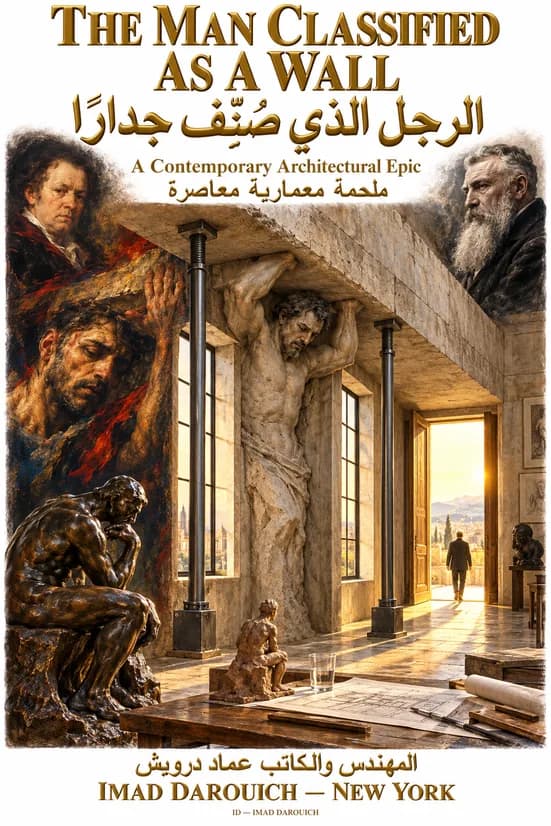
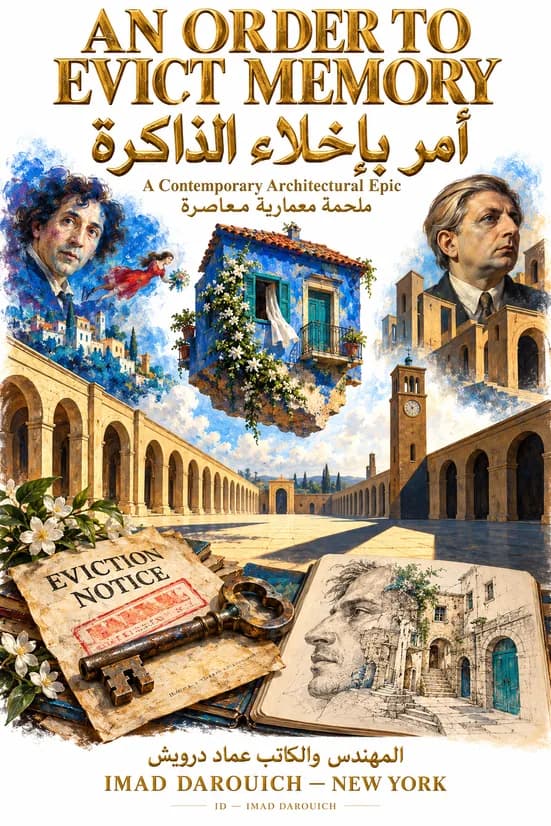
Imad wrote this epic for the calligrapher Obaida Banki, who wrote the Mushaf of Qatar by hand, after reading how he found one of his own works hanging for sale at the Doha International Book Fair. He had made it in 1999 and the Syrian Ministry of Culture had once acquired it; twenty-five years later he bought it back for a small price, to save it from the market.
The Epic Of Ink Refusing To Die
ملحمةُ الحبرِ الذي رفضَ أنْ يموت
حينَ يشتري الفنانُ ذاكرتهُ من جديدWhen The Artist Buys Back His Memory
ليستْ اللوحةُ إطارًا معلّقًا فقط… بل وطنٌ صغيرٌ نجا من النسيانA Painting Is Never Just A Frame… But A Small Homeland Escaping Oblivion
عبيدة البنكيObaida Banki
The Epic Of The Painting That Returned From Exile
ملحمةُ اللوحةِ التي عادتْ من المنفى
كمعماريٍّAs an architect,
أعيشُ يوميًا بينَ الخرسانةِ والفراغاتِ والذاكرة،I live daily among concrete, voids, and memory,
توقّفتُ طويلًاI paused for long moments
أمامَ هذا الخبرِ العابرِ على وسائلِ التواصل.Before this passing story upon social media.
لكنَّهُYet it
لم يكنْ خبرًا عاديًا عن لوحةٍ ضائعة،Was never an ordinary story about a
lost painting,
بل بدا ليIt felt instead
كأنَّ وطنًا كاملًا يحاولُ استرجاعَ وجهِه القديم.Like an entire homeland
reclaiming its forgotten face.
وحينَ قرأتُAnd when I read
كلماتِ الخطاطِ العالميِّ الأستاذِ عبيدة البنكي،The words of master calligrapher
Obaida Banki,
شعرتُI felt
أنَّ الحبرَ نفسهُ كانَ يرتجفُ داخلَ السطور.As though the ink itself trembled within the lines.
فتحياتيSo my deepest greetings
لهذا الفنانِ الكبيرِ
النبيل،To this noble and great artist,
الذي لم يكتبِ الحروفَ يومًا،Who never merely wrote letters,
بل كانَ يبني بها أوطانًا روحيةً كاملة.But built complete spiritual homelands through them.
أبو عمرAbu Omar
ليسَ خطاطًا عاديًا يكتبُ الحروفَ بالحبرِ فقط،Was never an ordinary calligrapher writing with ink alone,
بل رجلٌBut a man
يبني باللغةِ قبابًا ومساجدَ وممالكَ روحيةً كاملة.Who builds domes, mosques, and spiritual kingdoms through language.
حينَ يكتبُWhen he writes
تتحوّلُ الألفُ إلى مئذنةٍ ترتجفُ بالضوء،The alif transforms into a minaret trembling with light,
ويتحوّلُ الحبرُAnd ink transforms
إلى صلاةٍ طويلةٍ فوقَ جلدِ الورقِ الصامت.Into a long prayer above silent paper skin.
هذا الرجلُThat man
الذي كتبَ مصحفَ قطرَ بيديهِ المرتجفتينِ بالإيمان،Who wrote the Mushaf of Qatar with faithful trembling hands,
وقفَ فجأةًSuddenly stood
أمامَ لوحةٍ قديمةٍ تشبهُ وجهَهُ القديم.Before an old painting resembling his
forgotten face.
في معرضِ الدوحةِ الدوليِّ للكتاب،Inside the Doha International Book Fair,
كانتِ اللوحةُ معلّقةً كلاجئةٍ بلا ذاكرة،The painting hung like a refugee without memory,
تنتظرُWaiting silently
أنْ يتعرّفَ عليها أحدٌ من أهلِها القدامى.For someone from her past to recognize her.
وحينَ اقتربَ منهاAnd when he approached her,
عرفتهُ فورًاShe recognized him immediately
كما تعرفُ الأمُّ صوتَ ابنِها بعدَ غيابٍ طويل.Like a mother recognizing her
son after long absence.
لوحةٌA painting
كتبها بيديهِ عامَ 1999،Written by his own hands in 1999,
واقتنتها وزارةُ الثقافةِ السوريةِ يومًا،And once acquired by the Syrian Ministry of Culture,
حينَ كانتِ الدولةُWhen the state still
تفهمُ أنَّ الفنَّ ليسَ زينةً عابرةً للجدران.Understood art was never decoration for walls.
في تلكَ السنواتِ البعيدة،In those distant years,
كانتِ الأعمالُ الفنيةُArtistic works
تُشترى بوصفها جزءًا من ذاكرةِ البلاد،Were purchased as fragments of national memory,
لا كبضائعَNot as merchandise
تتنقّلُ بينَ السماسرةِ وأيدي النسيانِ الباردة.Traveling among brokers and cold
forgetting hands.
كانوا يفهمونَThey still understood
أنَّ اللوحةَ ليستْ خشبًا ولونًا وخطوطًا فقط،A painting is never wood, color
, and lines alone,
بل وثيقةُ روحٍBut a spiritual document
تشهدُ على زمنٍ كاملٍ من الأحلامِ والانكسارات.Witnessing an era of dreams and fractures.
سألَهم بهدوءٍ:He asked them quietly:
“هل هذهِ اللوحةُ للبيع؟”“Is this painting for sale?”
وكانَ السؤالُAnd the question
يشبهُ رجلًا يسألُ عن قبرِ أمِّه في مدينةٍ غريبة.Resembled a man seeking his
mother’s grave in exile.
قالوا: نعم.They answered: yes.
ثم بدأَ الحديثُ عن السعرِ الباردِ الصغير،Then began the conversation about the painfully small price,
ذلكَ الرقمُThat number
الذي لا يليقُ حتى بصندوقِ الحبرِ القديم.Did not even honor the old ink box.
وهناكَAnd there,
في تلكَ اللحظةِ القصيرةِ القاسية،In that brief brutal moment,
اكتشفَ أبو عمرAbu Omar discovered
أنَّ الفسادَ لا يسرقُ المالَ فقط،That corruption never steals money alone,
بل يسرقُ القيمةَ والمعنى وكرامةَ الأشياءِ أيضًا.It steals meaning, value, and
the dignity of things.
اشترى لوحتَهُ من جديد،He bought his own painting again,
لا لأنّهُ يريدُ امتلاكَ ما يملكُهُ أصلًا،Not because he wished to own what was already his,
بل لأنّهُ خافَ عليهاBut because he feared for it
من الإهانةِ الأخيرةِ في أسواقِ النسيانِ الرخيصة.From final humiliation inside
cheap markets of forgetting.
خافَ أنْ تنتقلَHe feared it might pass
من يدِ جاهلٍ إلى يدِ سمسارٍ آخر،From one ignorant hand into another broker’s grip,
وأنْ تتحوّلَAnd eventually transform
ذاكرةُ وطنٍ كاملٍ إلى سلعةٍ بلا روح.A nation’s memory into a soulless commodity.
أما اللحظةُ الأكثرُ مرارةً وإعجازًا،Yet the most painful and miraculous moment,
فكانتْ حينَ عرفَ البائعُ المرتبك،Arrived when the confused seller realized,
أنَّ الرجلَ الذي يشتري اللوحةَ اليوم،That the man purchasing the painting today,
هو نفسُ الرجلِWas the same man
الذي كتبها قبلَ خمسةٍ وعشرينَ عامًا بيديه.Who created it twenty-five years earlier with his hands.
أيُّ زمنٍ
هذاWhat age is this
الذي يجعلُ الفنانَ يشتري ذاكرتهُ من السوق؟That forces artists to buy back their own memory?
وأيُّ بلادٍ هذهAnd what country is this
التي تبيعُ تراثَها بثمنِ الغبارِ الرخيص؟That sells its heritage for the price of
dust?
حينَ يُباعُ التراث،When heritage is sold,
لا نفقدُ لوحةً معلّقةً على جدارٍ فقط،We do not merely lose a framed painting,
بل نفقدُWe lose instead
جزءًا من ملامحِنا التي كانتْ تحفظُ أسماءَنا.Fragments of ourselves
preserving our names.
نفقدُ أصواتَ الخطاطينَ والشعراءِ والمعماريين،We lose the voices of
calligraphers, poets, and architects,
ونفقدُAnd we lose
اللغةَ التي كانتْ تجعلُ الوطنَ أقلَّ وحدةً ووحشة.The language that made the homeland less lonely.
فالبلادُFor nations
لا تموتُ فقط بالحروبِ والانهياراتِ الكبرى،Do not die only through wars and catastrophes,
بل تموتُ أيضًاThey also perish
حينَ تُباعُ ذاكرتُها قطعةً قطعةً في المزادات.When memory is auctioned piece by piece.
More epics on this subject are in the library's Literature & Art collection, and more essays in the journal's Literature & Art section.
بقلم
Architect Imad Darouich
المهندس المعماري عماد درويش
مهندس معماري وكاتب ومؤسس 3DEPICS، يقيم في نيويورك. يكتب أدبًا ملحميًا يعبر الحدود واللغات والجغرافيا، حيث تلتقي الفلسفة بالعمارة، والروحانية بالتاريخ، والذاكرة بالخيال.