When the Heart Opened Its Doors: Sufi Art in Chatou
حين فتح القلبُ أبوابه
An architect comes to an exhibition in Chatou to look at old objects and new art, and leaves with a plan for a table where children and craftspeople meet.
By Architect Imad Darouich4 min read
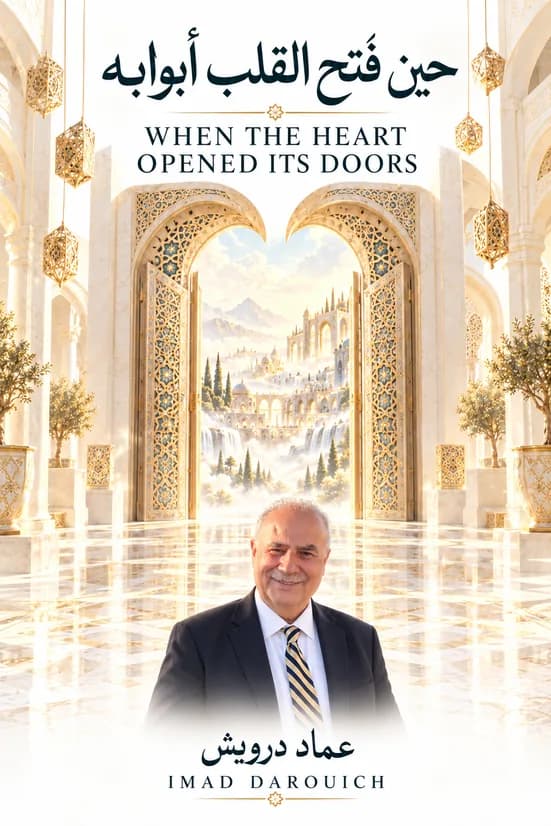
The Musée d'Art et de Culture Soufis (MACS MTO), the Sufi museum Chatou has hosted since 28 September 2024 in a 19th-century house on the Seine west of Paris, shows Sufi objects beside contemporary art. Imad's prose poem, in Arabic and English, imagines an architect's visit to an exhibition in Chatou, where an old vessel, a reed flute and a girl drawing a star open the doors of his heart.
تنويه: نص أدبي مستوحى من لقاء التراث الصوفي بالفن المعاصر؛ المشاهد والحوار من الخيال.Note: A literary work inspired by the meeting of Sufi heritage and contemporary art; its scenes and dialogue are imagined.
وصلتُ إلى شاتو وفي صدري مدينةٌ لم يكتمل بناؤها.I arrived in Chatou with an unfinished city inside my chest.
كنتُ أظنّ أنني سأدخل معرضًا. فإذا بالمعرض يدخلني.I thought I would enter an exhibition. Instead, the exhibition entered me.
عند الباب، سألني حارسٌ لا يحمل مفاتيح: ماذا جئتَ تبحث عنه؟At the door, a keeper carrying no keys asked: What have you come to find?
قلتُ: عن الجمال.I said: Beauty.
قال: إذن، اترك خوفك هنا. إنّه يحجب الرؤية.He said: Then leave your fear here. It blocks the view.
دخلتُ. كان الضوء يستقرّ على الأشياء كأنّه يتذكّرها.I entered. Light settled upon the objects as though remembering them.
وخلف الزجاج، رأيتُ يدًا غائبةً ما زال أثرها حيًّا في الطين.Behind the glass, I saw an absent hand whose touch still lived in the clay.
اقتربتُ من إناءٍ قديم. وتخيّلتُ صانعه ينحني فوقه، يصغي إلى الدوران.I approached an ancient vessel and imagined its maker bending over it, listening to the turning.
لم يترك لنا اسمه. ترك لنا دقّةَ أصابعه.He had left us no name. He had left us the precision of his fingers.
وفي القاعة التالية، كانت طفلةٌ تحاول رسم نجمة.In the next room, a little girl was trying to draw a star.
اختلّ خطّها. فتوقّفت، كأنّ العالم كله اختلّ معه.Her line slipped. She stopped, as though the whole world had slipped with it.
اقترب منها معلّم، وأدار الورقة قليلًا.A teacher approached and turned the paper slightly.
قال: انظري. ما حسبتِه نهايةً، يمكن أن يكون بدايةَ ضلعٍ آخر.He said: Look. What you thought was an ending can become the beginning of another side.
رأيتُها تمدّ الخطّ. ثم تمدّ ابتسامتها.I watched her extend the line. Then her smile.
عندها فهمتُ كيف يعبر التراث قرونًا كاملة: يدٌ تصبر على يد.Then I understood how heritage crosses centuries: one hand patiently guiding another.
أنا المعماريّ الذي قاس الجدران طويلًا، وقفتُ أمام تلك الورقة عاجزًا عن قياس أثرها.I, the architect who had measured walls for years, stood before that sheet unable to measure its power.
كم مبنى شيّدنا، وبقي الإنسان عند بابه وحيدًا؟How many buildings have we raised while leaving a person lonely at the door?
وكم نجمةٍ صغيرةٍ أعادت إلى إنسانٍ مكانه في العالم؟And how many little stars have given someone back their place in the world?
ارتفع صوتُ نايٍ من بعيد.The sound of a reed flute rose in the distance.
مرّ بين الأعمدة، ولامس الزجاج، ثم وصل إلى موضعٍ في صدري كنتُ قد أغلقته.It passed between the columns, touched the glass, then reached a place in my chest I had sealed.
تذكّرتُ بيتًا قديمًا. ونافذةً. ويدًا تلوّح لي من زمنٍ لا يعود.I remembered an old house. A window. A hand waving from a time that would not return.
لم يُعدها الناي.The flute did not bring it back.
لكنّه منح حزني مقعدًا بين الناس.But it gave my grief a seat among others.
هناك، وقف الفنّ المعاصر أمام الأثر القديم.There, contemporary art stood before the ancient object.
تخيّلتُه يسأل: كيف أبقى؟I imagined it asking: How do I endure?
فأجابه الأثر: امنح أحدًا سببًا ليحملك إلى الغد.The object answered: Give someone a reason to carry you into tomorrow.
خرجتُ من القاعة وعدتُ إلى الطفلة.I left the gallery and returned to the little girl.
كانت نجمتها قد اكتملت. وفي قلبها فراغٌ صغير.Her star was complete. At its heart lay a small empty space.
سألتُها: ماذا ستضعين هنا؟I asked her: What will you put here?
قالت: سأتركه لمن يأتي بعدي.She said: I will leave it for whoever comes after me.
حملتُ كلماتها كأنّها وصيّةُ مدينة.I carried her words as though they were a city’s testament.
ومن تلك اللحظة، صار للمشروع الذي أحلم به بابٌ واضح:From that moment, the project I dreamed of had a clear doorway:
طاولةٌ يجلس إليها طفل، وحرفيّ، ومعماريّ.A table where a child, a craftsperson, and an architect can sit together.
أثرٌ ندرسه. وخطٌّ نجرّبه. وحكايةٌ نمنحها صوتًا جديدًا.An object to study. A line to attempt. A story to give a new voice.
هكذا يبدأ البناء الذي أريده.This is how the building I seek begins.
بيدٍ ترسم، وأخرى تسند الورقة.With one hand drawing and another holding the paper steady.
وحين غادرتُ شاتو، كانت المدينة في صدري ما تزال غير مكتملة.When I left Chatou, the city inside my chest was still unfinished.
لكنّ أبوابها كانت مفتوحة.But its doors were open.
A second exhibition, the Louvre's Islamic art in Washington, is the subject of Twenty-Six Windows into Time, and Imad's book Jalal al-Din Rumi: The Epic of the Man Who Made Love a Path to God tells the life of the Sufi poet. More texts are in the literature and art collection.
Written by
Architect Imad Darouich
المهندس المعماري عماد درويش
Architect, author and founder of 3DEPICS, based in New York. He writes epic literature that crosses borders, languages and geographies, where philosophy meets architecture, spirituality meets history and memory meets imagination.