When the Sea Became a Door: Sins Like the Foam of the Sea
حين صار البحرُ بابًا
Before dawn by a New York river, a man says three phrases of remembrance and finds a handle on the door of his own heart.
By Architect Imad Darouich4 min read
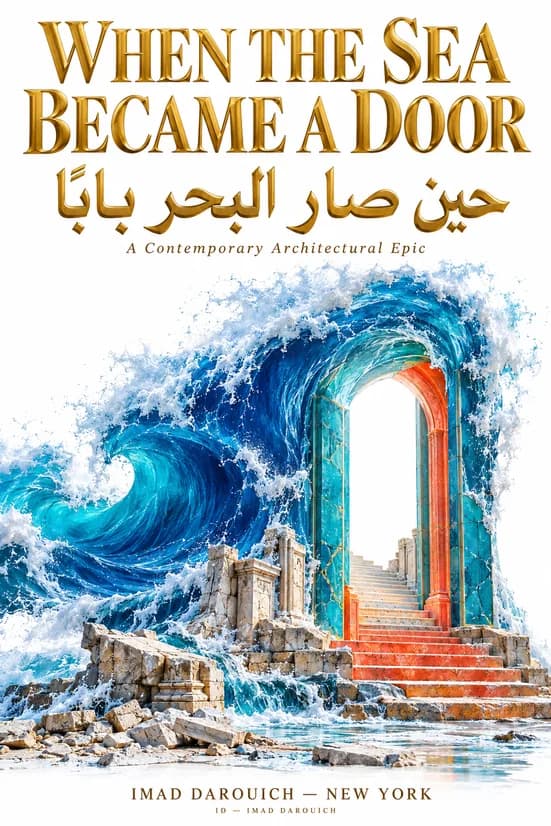
Jami' at-Tirmidhi 3460, narrated by Abdullah ibn Amr, records that whoever says there is no god but Allah, Allah is greatest, and there is no power except through Allah has his sins forgiven, even sins like the foam of the sea; al-Tirmidhi graded it hasan gharib. Imad's prose poem, in Arabic and English, follows a man who says these words by a New York river before dawn, then writes the apology he owes.
تنويه: الذكر الوارد جاء في حديث رواه الترمذي عن عبد الله بن عمرو رضي الله عنهما، وقال: «حديث حسن غريب». ونسبته إلى مسلم غير دقيقة. وهذه الملحمة تأمل أدبي في الرجاء والعودة إلى الله؛ مشاهدها المتخيَّلة ليست من الحديث.Note: The remembrance shown in the image appears in a hadith narrated by al-Tirmidhi from Abdullah ibn Amr, which he graded “hasan gharib.” The image’s attribution to Muslim is inaccurate. This epic is a literary reflection on hope and returning to God; its imagined scenes are not part of the hadith.
خرجتُ إلى النهر قبل الفجر.I went out to the river before dawn.
كانت نيويورك تطوي أضواءها.New York was folding away its lights.
وبرجٌ بعيد يجرُّ ظلَّه فوق الماء.A distant tower dragged its shadow across the water.
وقفتُ عند الحاجز.I stood beside the railing.
في صدري بيتٌ لم أجرؤ على دخوله.Within my chest stood a house I had not dared enter.
أعرف شقوقه.I knew its cracks.
وأعرف ما أخفيتُ خلف الطلاء.And knew what I had concealed beneath the paint.
كلمةٌ جرحتُ بها إنسانًا.A word with which I had wounded someone.
ويدٌ تأخرتُ عن مدِّها.A hand I had been slow to offer.
وبابٌ أغلقته لأن طرْقَه أزعج راحتي.A door I had closed because its knocking disturbed my comfort.
حملتُ ذلك كلَّه إلى الماء.I carried all of it to the water.
لكن النهرَ مضى.But the river went on.
وبقيتُ مع ما أعرفه عن نفسي.And I remained with what I knew of myself.
عندها قلتُ: لا إله إلا الله.Then I said: there is no god but Allah.
خرجت الكلماتُ ببطء.The words emerged slowly.
كأنها تعبر ممرًّا سدَّه الغبار.As though crossing a passage blocked by dust.
رأيتُ في خيالي عروشًا صغيرة داخل صدري.In my imagination, I saw little thrones within my chest.
على أحدها جلس خوفي من الناس.Upon one sat my fear of people.
وعلى آخر، رغبتي في مديحهم.Upon another, my hunger for their praise.
أما غروري، فكان يحتلُّ الغرفةَ ذات النافذة.My pride occupied the room with the window.
كنتُ أحسبني صاحبَ البيت.I had thought myself the owner of the house.
فإذا بي أستأذنُ هذه الأشياء كي أعيش.Yet I was asking these things for permission to live.
قلتُ: والله أكبر.I said: and Allah is greater.
ارتفع بصري عن انعكاسي.My gaze rose from my reflection.
ظهرت السماءُ بين مبنيين.The sky appeared between two buildings.
فسحةٌ ضيّقة.A narrow opening.
لكنها امتدّت أبعدَ من كل ما بنيت.Yet it reached beyond everything I had built.
وأدركتُ كم صغرت حياتي حين جعلتُ رأيَ الآخرين سقفَها.And I realized how small my life had become when I made other people’s opinions its ceiling.
ثم قلتُ: ولا حول ولا قوة إلا بالله.Then I said: there is no power or strength except through Allah.
أرخيتُ أصابعي عن الحديد.I loosened my fingers from the iron railing.
كانت تؤلمني من شدّة ما تشبّثت.They ached from how tightly I had clung.
طالما حاولتُ أن أحمل نفسي بقوتي وحدها.For so long, I had tried to carry myself by my strength alone.
وكلما تعبتُ، اتهمتُ قلبي بالضعف.Whenever I grew tired, I accused my heart of weakness.
هذه المرّة، اعترفتُ بحاجتي.This time, I admitted my need.
يا ربّ، أعنّي على ما أراه فيَّ.My Lord, help me face what I see within myself.
لا أعرف كيف أصلح هذا الخراب كلَّه.I do not know how to repair all this ruin.
لكنني أريد أن أبدأ.But I want to begin.
مرّت سفينة.A vessel passed.
وتركت وراءها زبدًا أبيض.Leaving white foam behind it.
تابعتُه بعيني حتى تفرّق.I followed it with my eyes until it dispersed.
تذكّرتُ صورةَ زبد البحر في الحديث.I remembered the image of sea foam in the hadith.
واتّسع رجائي بالمغفرة.And my hope for forgiveness widened.
لم أعرف كيف أزن خطاياي.I did not know how to weigh my sins.
لكنني عرفتُ إلى من أتوجّه بها.But I knew to whom I could bring them.
أخرجتُ الهاتف.I took out my phone.
كتبتُ إلى من جرحتُه.I wrote to the person I had hurt.
حذفتُ أعذاري.I deleted my excuses.
وأبقيتُ اعتذاري.And kept my apology.
ثم بحثتُ عمّا أستطيع ردَّه من حقٍّ تأخرتُ فيه.Then I looked for a debt or right I had delayed restoring.
صار للندم عملٌ ينتظره.Remorse now had work awaiting it.
وفي داخلي، وجدتُ للباب مقبضًا.And within me, I found a handle for the door.
عند الشروق، رجعتُ إلى البيت.At sunrise, I returned home.
غسلتُ وجهي.I washed my face.
وسقط الماءُ عن ذقني قطراتٍ متباعدة.Water fell from my chin in scattered drops.
وقفتُ للصلاة.I stood in prayer.
لم أحمل معي تقريرًا عن صلاحي.I brought no report of my righteousness.
حملتُ اعترافي.I brought my admission.
وحين سجدتُ، لم أبحث عن عبارةٍ مدهشة.When I bowed in prostration, I searched for no dazzling phrase.
قلتُ: يا ربّ، اغفر لي.I said: my Lord, forgive me.
بقيتُ قليلًا.I stayed a little while.
كان النهارُ يبدأ خارج النافذة.The day was beginning beyond the window.
وكان عليَّ أن أنهض إليه.And I had to rise to meet it.
أن أحرس لساني حين يغضب.To guard my tongue when anger came.
وأن أفتح الباب حين يعود الطارق.And open the door when the visitor returned.
رفعتُ رأسي عن السجود.I lifted my head from prostration.
وفي صدري، كان البيتُ ينتظر إصلاحه.Within my chest, the house awaited repair.
دخلتُه هذه المرّة.This time, I entered it.
وبدأتُ من الحجر الذي أستطيع حمله.And began with the stone I could carry.
The same practice of remembrance runs through When the Tongue Carries Its Heart to Heaven, and hope after hardship is the subject of The Epic of Relief Hidden Behind Closed Doors. More reflections are in the faith and spirit collection.
Written by
Architect Imad Darouich
المهندس المعماري عماد درويش
Architect, author and founder of 3DEPICS, based in New York. He writes epic literature that crosses borders, languages and geographies, where philosophy meets architecture, spirituality meets history and memory meets imagination.