 3DEPICS
The Epic of the Machine That Outran Man
ملحمة الآلة التي سبقت الإنسان
The machine reached the line first, but only the human knows what arriving means.
By Architect Imad DarouichUpdated 13 min read
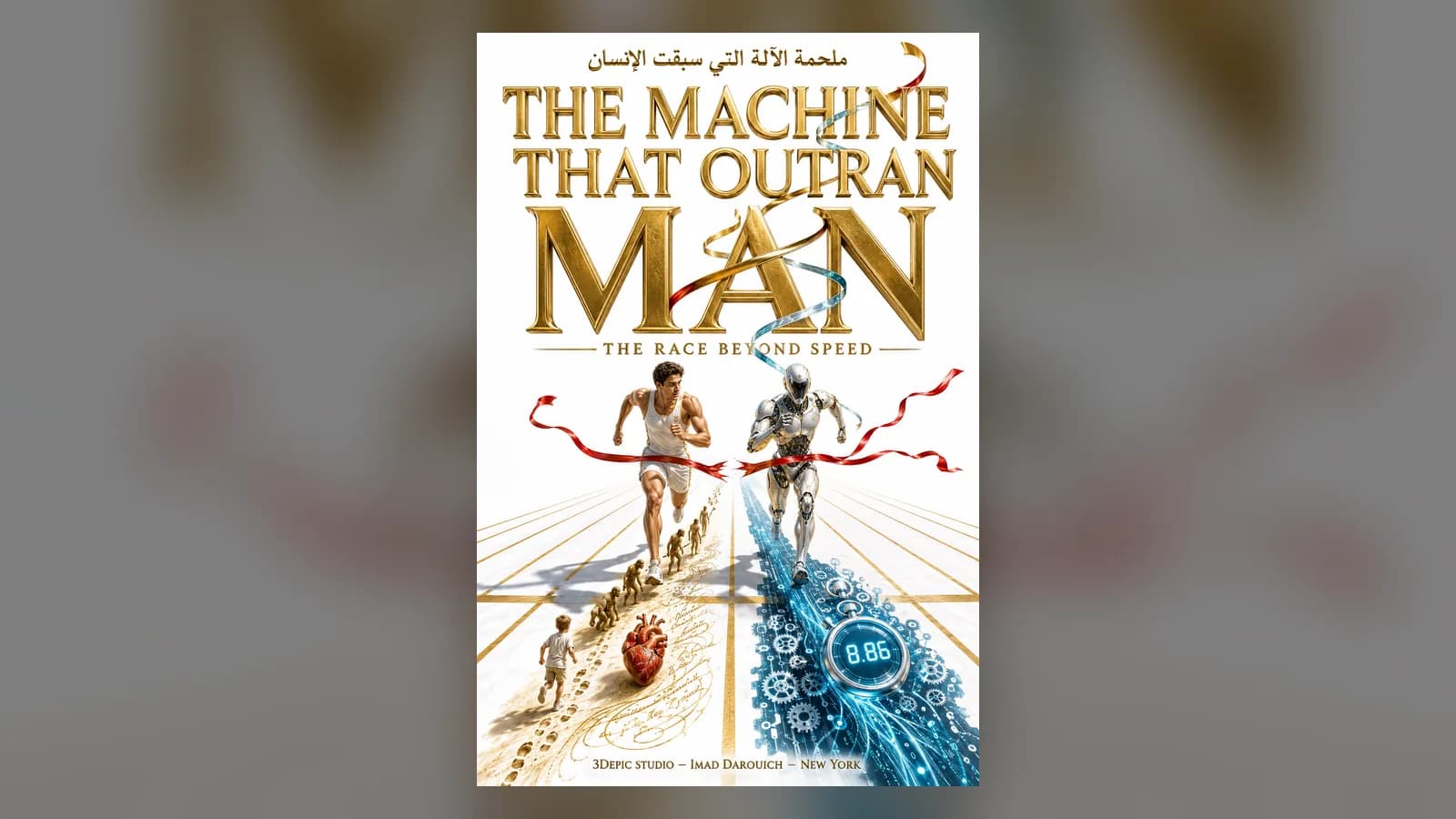
This epic begins in Beijing, where a Chinese humanoid runs 100 metres in 8.86 seconds, a robot faster than Usain Bolt and his record of 9.58. Over ten chapters Imad follows the engineers who built it, a worker who fears for his job and a child who wants to become a robot, and urges people to race machines in compassion, love and forgiveness instead.
استوديو الملحمة ثلاثية الأبعاد، عماد درويش، نيويورك
The Beginning: When Humanity Fell Half a Step Behind
البداية: حين تأخر الإنسان نصف خطوة
في بكين، وقف الإنسان عند حافة المضمار، يراقب مخلوقًا من معدنٍ وأسلاك يستعد للركض.In Beijing, humanity stood at the edge of the track, watching a creature of metal and wires prepare to run.
لم يكن للعدّاء قلبٌ يخفق، ولا رئتان تتنفسان، ولا طفولةٌ حلم فيها بالميدالية.The runner had no beating heart, no breathing lungs, and no childhood in which it dreamed of a medal.
لم تكن له أمٌّ تنتظر انتصاره، ولا أبٌ علّمه كيف ينهض بعد السقوط.It had no mother awaiting its victory and no father who taught it how to rise after falling.
كان يحمل داخل صدره بطارية، وفي رأسه تعليمات، وفي ساقيه حساباتٌ لا تعرف الخوف.Inside its chest was a battery, inside its head were instructions, and inside its legs were calculations that knew no fear.
ثم انطلقت الإشارة.Then came the signal.
ركضت الآلة، واهتزّ المضمار تحت قدميها، وارتفعت عيون البشر نحو الساعة.The machine ran, the track trembled beneath its feet, and human eyes rose toward the clock.
وحين توقفت الأرقام عند 8.86 ثانية، كان الصمت أسرع من التصفيق.When the numbers stopped at 8.86 seconds, silence arrived faster than applause.
لقد تجاوز الروبوت الصيني الرقم العالمي البشري ليوسين بولت، البالغ 9.58 ثانية في سباق المئة متر.The Chinese humanoid robot had surpassed Usain Bolt’s human 100-meter world record of 9.58 seconds. Associated Press
لم يخسر بولت سباقًا؛ فقد خسر الإنسان امتيازًا صغيرًا آخر كان يظنه ملكًا له.Bolt had not lost a race; humanity had lost another small privilege it once believed belonged to it.
وفي تلك اللحظة، لم يكن السؤال: من وصل أولًا؟At that moment, the question was not: Who arrived first?
كان السؤال: إلى أين نركض جميعًا؟The question was: Where are we all running?
Chapter One: The Creature That Was Never Born
الفصل الأول: المخلوق الذي لم يولد
لم يولد الروبوت من رحم، بل خرج من مختبرٍ مضاءٍ ليلًا.The robot was not born from a womb; it emerged from a laboratory illuminated at night.
لم يسمع أول صرخةٍ له، لأن صوته الأول كان صفير دائرةٍ كهربائية.It never heard its first cry, because its first sound was the hum of an electric circuit.
لم يُمنح اسمًا كي يعرف نفسه، بل رقمًا كي يعرفه المهندسون.It was given no name through which to know itself, only a number by which engineers could identify it.
صنعوا له ساقين تشبهان ساقي الإنسان، ومفاصل تقلّد حركة الركبة، وعينين لا تريان إلا ما تسمح به الكاميرا.They built legs resembling human legs, joints imitating the knee, and eyes that saw only what the camera permitted.
علّموه التوازن دون أن يعرف معنى السقوط، والسرعة دون أن يعرف معنى الوصول.They taught it balance without teaching it the meaning of falling, and speed without teaching it the meaning of arrival.
كان كل مهندسٍ يضع فيه جزءًا من عقله، حتى أصبح جسدًا يحمل عقولًا كثيرة ولا يملك روحًا واحدة.Each engineer placed a fragment of intellect within it, until it became a body carrying many minds yet possessing not one soul.
وعندما وقف للمرة الأولى، لم يسأل: من أنا؟When it stood for the first time, it did not ask: Who am I?
كانت الآلة قادرةً على الوقوف، لكنها لم تكن تعرف لماذا يستحق الوقوف كل هذا العناء.The machine could stand, yet it did not know why standing was worth such effort.
Chapter Two: The Human Who Taught Iron to Run
الفصل الثاني: الإنسان الذي علّم الحديد الركض
منذ آلاف السنين، كان الإنسان يركض لينجو من الوحوش والجوع والحرب.For thousands of years, humans ran to escape beasts, hunger, and war.
ثم ركض للصيد، وبعده للرسائل، ثم ركض من أجل المجد والميداليات.Then they ran for the hunt, afterward for messages, and finally for glory and medals.
درس العلماء حركة القدم، وانقباض العضلات، وانحناء الظهر، وطريقة اندفاع الذراعين.Scientists studied the movement of the foot, the contraction of muscles, the curve of the back, and the thrust of the arms.
حوّلوا الجسد البشري إلى أرقام، ثم أعادوا تركيب الأرقام في جسدٍ معدني.They transformed the human body into numbers, then rebuilt those numbers inside a metallic body.
كل خطوةٍ للآلة كانت اقتباسًا من ملايين الخطوات التي خطاها البشر قبلها.Every step taken by the machine was borrowed from millions of human steps that came before it.
لم تبتكر الركض، بل حفظت درس الإنسان وأدّته دون تعب.It did not invent running; it memorized humanity’s lesson and performed it without fatigue.
وحين سبقت معلّمها، لم يكن انتصارها إهانةً له، بل شهادةً على عبقريته وخطورة عبقريته معًا.When it surpassed its teacher, its victory was not an insult, but a testimony to both the brilliance and danger of human genius.
فالإنسان هو الكائن الوحيد الذي يصنع ما يستطيع أن يهزمه، ثم يقف مذهولًا أمام هزيمته.Humanity is the only creature that builds what can defeat it, then stands astonished before its own defeat.
Chapter Three: Usain Bolt and the Nameless Runner
الفصل الثالث: يوسين بولت والعدّاء بلا اسم
حين ركض يوسين بولت، كانت عضلاته تحمل تاريخًا طويلًا من التدريب والألم.When Usain Bolt ran, his muscles carried a long history of training and pain.
كان يعرف ثقل التوقعات، ورهبة الجمهور، والخوف من لحظةٍ قد تضيع فيها سنوات الاستعداد.He knew the weight of expectation, the awe of the crowd, and the fear that one moment could erase years of preparation.
كان يسمع هدير المدرجات، ويشعر بضغط قدميه على الأرض، ويرى النهاية كحلمٍ يقترب.He heard the roar of the stands, felt his feet strike the ground, and saw the finish line as an approaching dream.
أما الآلة فلم تعرف أن أمامها رقمًا تاريخيًا، ولم تشعر أنها تتحدى أسرع رجلٍ عرفه المضمار.The machine knew nothing of the historic record ahead and felt nothing about challenging the fastest man the track had known.
ركض بولت كي يدخل التاريخ، وركض الروبوت لأن برنامجًا أمره أن يركض.Bolt ran to enter history; the robot ran because a program instructed it to run.
وهنا ظهر الفرق الذي لا تستطيع الساعة قياسه.Here emerged the difference no clock could measure.
فالزمن قاس سرعة القدمين، لكنه لم يقس مقدار الإرادة التي حملت كل قدم.Time measured the speed of the feet, but not the will carried within each step.
قد تصل الآلة أولًا، لكن الإنسان وحده يعرف معنى أن يصل.The machine may arrive first, but only the human understands what arrival means.
Chapter Four: The Clock That Judged Between Them
الفصل الرابع: الساعة التي حكمت بينهما
وقفت الساعة فوق المضمار كقاضٍ لا يعرف الرحمة.The clock stood above the track like a judge unfamiliar with mercy.
لم تسأل العداء عن طفولته، ولم تسأل الآلة عن صانعها.It did not ask the runner about his childhood, nor the machine about its maker.
لم ترَ العرق ولا الخوف ولا الحلم ولا الأسلاك.It saw neither sweat nor fear, neither dreams nor wires.
رأت رقمين فقط: 8.86 و9.58.It saw only two numbers: 8.86 and 9.58.
قالت الأرقام إن الآلة أسرع، لكن الأرقام لم تقل إن الآلة أعظم.The numbers declared the machine faster, but they did not declare it greater.
فالسرعة حقيقةٌ قابلة للقياس، أما العظمة فهي معنى يحتاج إلى قلبٍ كي يُفهم.Speed is a measurable fact, but greatness is a meaning requiring a heart to understand.
إذا جعلنا الرقم وحده حاكمًا، فسوف تهزم الآلة الإنسان في الحساب والقوة والسرعة والذاكرة.If numbers alone become the judge, machines will defeat humanity in calculation, strength, speed, and memory.
لكنها لن تهزمه في الرحمة إلا إذا قرر الإنسان أن يتخلى عنها.But they will never defeat humanity in compassion unless humanity chooses to abandon it.
Chapter Five: The Olympics of Those Who Never Tire
الفصل الخامس: الألعاب الأولمبية للذين لا يتعبون
اجتمعت في بكين آلاف الروبوتات، تتسابق وتلعب وتؤدي مهماتٍ كانت يومًا حكرًا على البشر.Thousands of robots gathered in Beijing, racing, playing, and performing tasks once reserved for humans.
دخلت المضمار دون أعلامٍ وطنية في قلوبها، ودون نشيدٍ يهزّ ذاكرتها.They entered the arena without national flags in their hearts and without anthems stirring their memories.
لم ترفع أيديها فرحًا بالنصر، ولم تنحنِ حزنًا عند الخسارة.They did not raise their arms in joy after victory or bow their heads in sorrow after defeat.
كان البشر في المدرجات يضحكون ويصفقون، لكن خلف الدهشة تحرك خوفٌ صغير.Humans in the stands laughed and applauded, yet behind their amazement stirred a quiet fear.
إذا كانت الآلة تستطيع الركض والرقص ولعب الكرة، فماذا سيبقى لنا؟If machines can run, dance, and play games, what will remain for us?
لكن السؤال الحقيقي ليس ما تستطيع الآلة فعله، بل ما يختار الإنسان أن يفعله بوجودها.The true question is not what machines can do, but what humans choose to do in their presence.
فالاختراع لا يسرق مكاننا وحده؛ نحن الذين نمنحه المكان ثم نشكو من ضيقه.Invention does not steal our place by itself; we give it that place and then complain that ours has grown smaller.
Chapter Six: The Worker Who Watched His Future Run
الفصل السادس: العامل الذي رأى مستقبله يركض
في مصنعٍ بعيد، شاهد عاملٌ السباق على شاشة هاتفه.In a distant factory, a worker watched the race on his phone.
لم يرَ فيه حدثًا رياضيًا، بل رأى منافسًا قادمًا إلى مكان عمله.He did not see a sporting event; he saw a competitor approaching his workplace.
تخيّل آلةً لا تتعب، ولا تطلب إجازةً، ولا تمرض، ولا تعترض على الأجر.He imagined a machine that never tired, requested leave, became ill, or objected to its wage.
سأل نفسه: إذا كانت أسرع مني وأقوى مني وأرخص مني، فلماذا سيحتفظ المصنع بي؟He asked himself: If it is faster, stronger, and cheaper than me, why would the factory keep me?
لكن الآلة لم تكن عدوه؛ فالآلة لا تطرد أحدًا ولا تخفض راتب أحد.Yet the machine was not his enemy; machines dismiss no one and reduce no salary.
القرارات يتخذها بشرٌ قد يستخدمون التكنولوجيا لتحرير الإنسان أو لاستغلاله.Decisions are made by humans who may use technology either to liberate humanity or exploit it.
المشكلة لم تكن في القدم المعدنية التي ركضت، بل في اليد البشرية التي قد تستخدم سرعتها دون عدالة.The problem was not the metallic foot that ran, but the human hand that might use its speed without justice.
Chapter Seven: The Child Who Wanted to Become a Robot
الفصل السابع: الطفل الذي أراد أن يصبح روبوتًا
شاهد طفلٌ السباق، واتسعت عيناه إعجابًا بالعدّاء المعدني.A child watched the race, his eyes widening in admiration of the metallic runner.
قال لأبيه: عندما أكبر، أريد أن أصبح مثل هذا الروبوت.He told his father: When I grow up, I want to become like that robot.
سأله الأب: لماذا لا تريد أن تصبح مثل أسرع إنسان؟His father asked: Why do you not want to become the fastest human?
قال الطفل: لأن الإنسان يستطيع أن يخسر، أما الآلة فيمكن تحسينها دائمًا.The child replied: Because humans can lose, while machines can always be improved.
خاف الأب من الإجابة أكثر مما خاف من الروبوت.The father feared the answer more than he feared the robot.
فقد بدأ جيلٌ جديد ينظر إلى النقص البشري كعيبٍ يجب إصلاحه، لا كجزءٍ من معنى الحياة.A new generation had begun to see human imperfection as a defect to be corrected rather than part of life’s meaning.
لكن الطفل لم يعرف أن الخطأ هو الذي يعلّمنا، وأن الضعف هو الذي يجعلنا نحتاج بعضنا.The child did not yet know that mistakes teach us and weakness makes us need one another.
لو أصبح الإنسان كاملًا كالآلة، فقد يصبح وحيدًا مثلها.If humanity became perfect like the machine, it might also become just as lonely.
Chapter Eight: Does the Machine Know It Won?
الفصل الثامن: هل تعرف الآلة أنها انتصرت؟
بعد السباق، وقف الروبوت ساكنًا، ينتظر الأمر التالي.After the race, the robot stood motionless, awaiting its next command.
لم يطلب الميدالية، ولم يلتفت إلى الجمهور، ولم يبحث عن اسمه في الأخبار.It asked for no medal, did not turn toward the crowd, and never searched for its name in the news.
لم يعرف أنه صنع حدثًا تاريخيًا، ولم يدرك أن الملايين يتحدثون عنه.It did not know it had made history or realize that millions were discussing it.
هنا بدا انتصاره غريبًا، كعرشٍ بلا ملكٍ يعرف أنه يجلس عليه.Its victory seemed strange, like a throne without a king who knows he sits upon it.
هل يكون الانتصار انتصارًا إذا لم يشعر به المنتصر؟Can victory remain victory when the victor cannot feel it?
وهل تكون الهزيمة هزيمةً إذا كشفت للمهزوم حقيقة قوته؟Can defeat remain defeat when it reveals the defeated one’s true strength?
ربما لم تفز الآلة بالسباق، بل فاز العلماء الذين صنعوها.Perhaps the machine did not win the race; perhaps the scientists who created it did.
وربما كان الإنسان في الوقت نفسه هو المنتصر والمهزوم.Perhaps humanity was simultaneously the victor and the defeated.
Chapter Nine: The Race That Left the Track
الفصل التاسع: السباق الذي خرج من المضمار
لم يبق السباق داخل الملعب؛ خرج إلى المصانع والجامعات والمستشفيات والجيوش.The race did not remain inside the stadium; it entered factories, universities, hospitals, and armies.
أصبح السؤال: من يصل أولًا إلى الذكاء الأقوى والروبوت الأسرع والسلاح الأكثر استقلالًا؟The question became: Who will first reach stronger intelligence, faster robots, and more autonomous weapons?
لم تعد الدول تتنافس على الميداليات فقط، بل على امتلاك المستقبل قبل الآخرين.Nations no longer compete merely for medals, but to possess the future before others.
وفي عجلة السباق، قد ينسى الجميع أن المستقبل ليس كأسًا يفوز به طرفٌ واحد.In the rush of competition, all may forget that the future is not a trophy won by one side.
إذا تحوّل الذكاء إلى سلاح، فلن يكون أسرع روبوتٍ هو أخطر ما صنعناه.If intelligence becomes a weapon, the fastest robot will not be the most dangerous thing we have created.
الأخطر هو عقلٌ بلا ضمير، سواء وُضع داخل آلة أو سكن جسد إنسان.The greatest danger is a mind without conscience, whether placed inside a machine or housed within a human body.
لا يجب أن نخاف من اليوم الذي تفكر فيه الآلة مثلنا.We should not fear the day machines begin to think like us.
بل من اليوم الذي نبدأ فيه نحن بالتصرف مثلها.We should fear the day we begin behaving like them.
Chapter Ten: Humanity’s Final Meter
الفصل العاشر: آخر مترٍ للإنسان
تقدمت الآلة في الأمتار الأولى، لأن قدميها لا تعرفان التردد.The machine advanced through the opening meters because its feet knew no hesitation.
لكن سباق الإنسان أطول من مئة متر، وأعمق من رقمٍ يظهر على شاشة.Humanity’s race is longer than one hundred meters and deeper than a number displayed on a screen.
إنه سباقٌ بين القوة والحكمة، وبين القدرة والمسؤولية، وبين الاختراع والضمير.It is a race between power and wisdom, ability and responsibility, invention and conscience.
قد نصنع آلةً تركض أسرع منا، وتحسب أكثر منا، وتحمل أثقالًا لا نستطيع حملها.We may build a machine that runs faster, calculates more, and carries weights beyond our strength.
لكن علينا أن نبقى نحن من يختار الاتجاه.Yet we must remain the ones who choose the direction.
فالسرعة دون اتجاهٍ ليست تقدمًا، بل ضياعٌ يصل مبكرًا.Speed without direction is not progress, but lostness arriving early.
وإذا سبقنا الروبوت إلى خط النهاية، فليكن ذلك سببًا كي نبحث عن خط بدايةٍ جديد للإنسان.If the robot reaches the finish line before us, let it inspire us to seek a new starting line for humanity.
خطٌّ لا تكون فيه البطولة لمن يركض أسرع، بل لمن يعرف لماذا يركض.A line where heroism belongs not to whoever runs fastest, but to whoever knows why they run.
The Ending: Do Not Race the Machine on Its Own Track
الخاتمة: لا تسابقوا الآلة في ملعبها
يا أيها الإنسان، لا تحزن لأن الحديد سبق قدميك.O human being, do not grieve because iron has outrun your feet.
لقد سبقتك السيارة قبل ذلك، وسبقك القطار، وسبقتك الطائرة إلى السماء.The automobile surpassed you before, the train surpassed you, and the airplane reached the sky ahead of you.
لكنها جميعًا لم تعرف جمال الطريق، ولم تشتق إلى مدينةٍ تركتها خلفها.Yet none of them knew the beauty of the road or longed for a city left behind.
لا تسابق الآلة في القوة؛ فهي لا تحمل الألم الذي تحمله.Do not race the machine in strength; it carries none of the pain you bear.
ولا تسابقها في الذاكرة؛ فهي تخزّن الماضي لكنها لا تبكي عليه.Do not race it in memory; it stores the past but never weeps for it.
ولا تسابقها في السرعة؛ فهي تصل دون أن تعرف قيمة الوصول.Do not race it in speed; it arrives without understanding the value of arrival.
سابقها في الرحمة، لأنها لا تعرف طفلًا جائعًا من رقمٍ مسجّل في قاعدة بيانات.Race it in compassion, for it cannot distinguish a hungry child from a number stored in a database.
سابقها في الحب، لأنها تستطيع تحليل القلب لكنها لا تستطيع أن تخفق من أجله.Race it in love, for it can analyze the heart but cannot beat for another.
سابقها في المغفرة، لأنها تستطيع حفظ الخطأ لكنها لا تعرف كيف تتجاوزه.Race it in forgiveness, for it can record a mistake but does not know how to transcend it.
سابقها في الخيال، لأن المستقبل الذي تحسبه الآلة هو المستقبل الذي تخبرها أنت أن تحسبه.Race it in imagination, because the future machines calculate is the future you instruct them to calculate.
لقد ركض الروبوت مئة مترٍ في 8.86 ثانية.The robot ran one hundred meters in 8.86 seconds.
لكن الإنسان قطع آلاف السنين كي يصنع ذلك الروبوت.But humanity traveled thousands of years to create that robot.
لهذا، عندما وقفت الآلة فوق خط النهاية، لم تكن وحدها.Therefore, when the machine stood upon the finish line, it was not alone.
كان خلفها كل طفلٍ تعلّم المشي، وكل عدّاءٍ سقط، وكل عالمٍ سهر، وكل مهندسٍ حلم.Behind it stood every child who learned to walk, every runner who fell, every scientist who stayed awake, and every engineer who dreamed.
كانت الآلة أسرع من الإنسان.The machine was faster than the human.
لكن الإنسان كان الحكاية التي جعلت سرعتها ممكنة.But humanity was the story that made its speed possible.
وفي نهاية الملحمة، لم نرفع الميدالية للحديد، ولم ننزعها من الإنسان.At the epic’s end, we neither awarded the medal to iron nor took it away from humanity.
بل وضعناها بينهما، وكتبنا عليها:Instead, we placed it between them and engraved upon it:
ليس المنتصر من يصل أولًا، بل من يقود القوة نحو الخير.The victor is not the one who arrives first, but the one who guides power toward good.
استوديو الملحمة ثلاثية الأبعاد، عماد درويش، نيويورك
بقلم المهندس المعماري عماد درويشBy Architect Imad Darouich · New York
For more on people and their machines, read The Epic of Artificial Intelligence and Architectural Dialogues at the Drawing Table: Between Mind and Soul; the first is in the human story collection.

Written by
بقلم المهندس المعماري عماد درويش
Architect and author based in New York. He writes contemporary epics: long-form books about architects, buildings, cities and faith, in Arabic and English.