 3DEPICS
The Epic of Imam Al-Ghazali
ملحمة الإمام الغزالي
At the height of his fame, Al-Ghazali fell silent, left Baghdad and went looking for his own heart.
By Architect Imad DarouichUpdated 5 min read
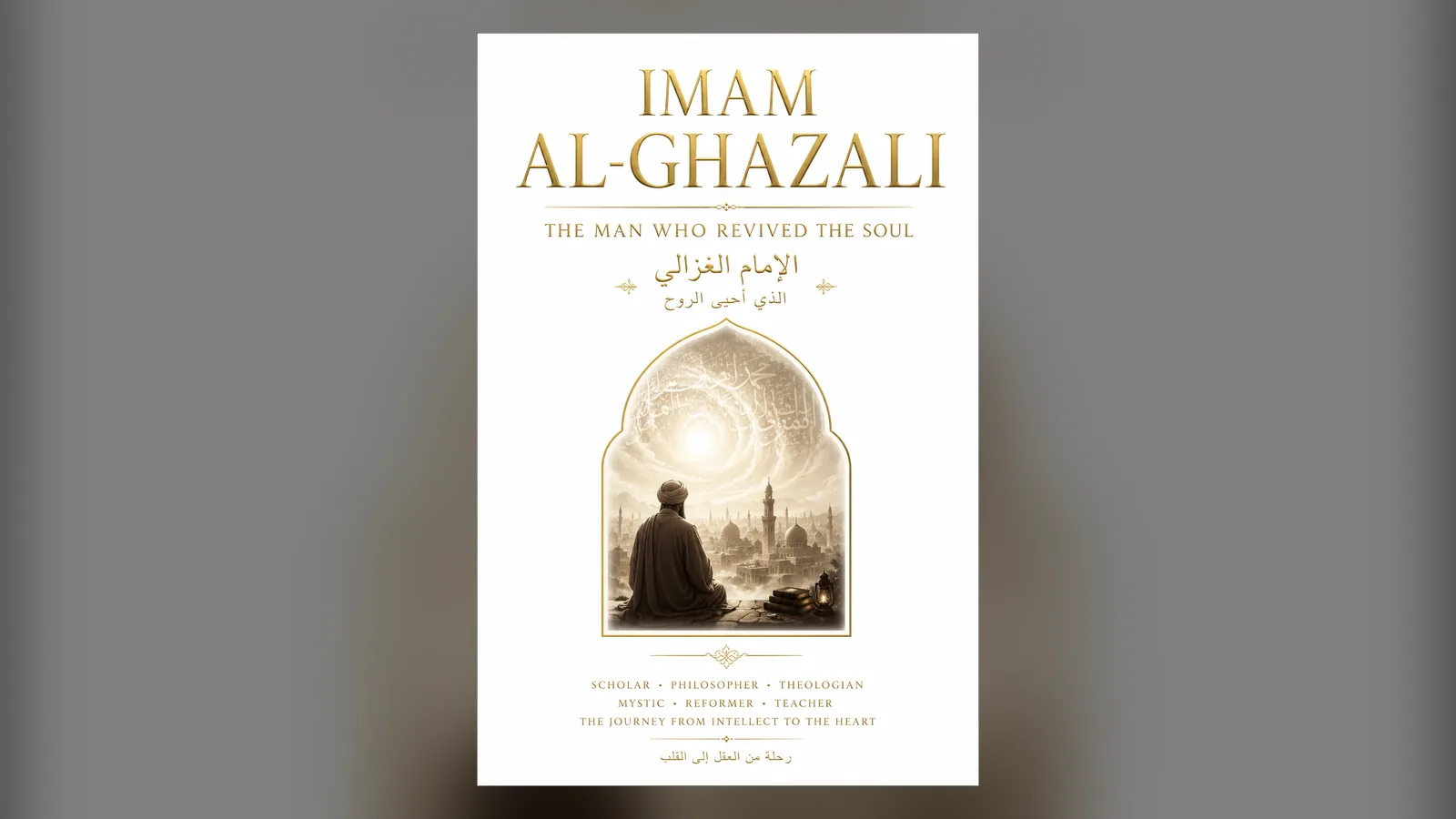
This epic tells the life of Imam Al-Ghazali, the scholar from Tus who rose to teach at the Nizamiyya in Baghdad and then, at the height of his fame, fell silent. Imad follows his search for his own heart in Damascus and the Umayyad Mosque, Jerusalem and Mecca, and his return with The Revival of the Religious Sciences and The Incoherence of the Philosophers.
بسم الله الرحمن الرحيمIn the Name of God, the Most Merciful.
ليس كلُّ من كتبَ كتابًا غيّر التاريخ.Not every author changes history.
وليس كلُّ عالمٍ صار مدرسةً للأمم.Not every scholar becomes a civilization.
لكنَّ الغزاليَّ كان مدينةً كاملةً تمشي على قدمين.Al-Ghazali was an entire city walking on two feet.
وكان سؤالًا أكبر من عصره.He was a question larger than his age.
ورحلةً لم تنتهِ بعد. A journey that has never truly ended.
The Beginning
المقدمة
في القرن الخامس الهجري، كان العالم الإسلامي يعجُّ بالمدارس، والمناظرات، والفلاسفة، والمتكلمين، والفقهاء، والصوفية.In the fifth Islamic century, the Muslim world overflowed with scholars, philosophers, jurists, theologians, and mystics.
لكن كثرة الأصوات لا تعني حضور الحقيقة.Many voices do not guarantee truth.
فالضجيج أحيانًا أعلى من الحكمة.Noise often shouts louder than wisdom.
وفي تلك اللحظة، خرج رجلٌ من مدينة طوس.Then, from the city of Tus, a man emerged.
لم يحمل جيشًا.He carried no army.
ولم يمتلك مملكة.He possessed no kingdom.
ولم يفتح مدينةً بالسيف.He conquered no city by the sword.
لكنه فتح قلوبًا وعقولًا امتد سلطانها إلى ألف عام.Yet he opened hearts and minds whose influence has endured for a millennium.
From Tus to Baghdad
من طوس إلى بغداد
كان طفلًا يبحث عن العلم، كما يبحث العطشان عن الماء.As a child, he pursued knowledge like a thirsty traveler seeks water.
رحل بين المدن.He traveled from city to city.
وجلس بين العلماء.He sat before great teachers.
وحفظ، وفهم، وناقش، واعترض، وأعاد البناء.He memorized, understood, questioned, challenged, and rebuilt.
حتى صار اسمه محمد بن محمد الغزالي.Until he became known as Muhammad ibn Muhammad Al-Ghazali.
واستدعته بغداد، عاصمة الدنيا آنذاك.Baghdad, the intellectual capital of the age, called for him.
ليجلس على كرسي التدريس في المدرسة النظامية.He became the leading professor at the Nizamiyya Academy.
وكانت المجالس تمتلئ قبل أن يدخل.Audiences gathered before he even arrived.
وكان الملوك يستمعون إليه.Rulers listened to him.
وكان العلماء يناقشونه.Scholars debated him.
وكان الطلاب يحفظون كلماته.Students memorized his words.
The Inner Earthquake
الزلزال الداخلي
لكن الإنسان قد يهزم العالم، ويخسر نفسه.A person may conquer the world yet lose himself.
وفي قمة المجد، سكت لسان الغزالي.At the height of glory, Al-Ghazali’s voice fell silent.
ولم يعد قادرًا على التدريس.He could no longer teach.
لم يكن المرض في الجسد.The illness was not in the body.
بل في الروح.It lived within the soul.
سأل نفسه:He asked himself:
هل أطلب الله؟Am I truly seeking God?
أم أطلب الشهرة؟Or merely seeking fame?
هل أعلم الناس؟Am I teaching truth?
أم أعجب بنفسي؟Or admiring myself?
وكان هذا السؤال أقسى من ألف مناظرة.That question was harder than a thousand debates.
The Second Migration
الهجرة الثانية
ترك بغداد.He left Baghdad.
وترك المنصب.He abandoned prestige.
وترك المال.He left wealth behind.
وترك التصفيق.He left applause.
وخرج يبحث عن قلبه.He departed in search of his own heart.
زار دمشق.He came to Damascus.
وجلس في المسجد الأموي.He spent long hours inside the Umayyad Mosque.
واعتزل الناس.He embraced solitude.
وبكى.He wept.
ودعا.He prayed.
وصمت.He remained silent.
وكان الصمت أحيانًا أبلغ من الكتب.Sometimes silence speaks louder than books.
ثم رحل إلى القدس.Then he traveled to Jerusalem.
وحج إلى مكة.And performed the pilgrimage to Mecca.
وكانت الرحلة إعادة بناء الإنسان قبل إعادة بناء الأفكار.The journey rebuilt the human soul before rebuilding ideas.
The Revival of the Religious Sciences
إحياء علوم الدين
ثم عاد وفي يده ليس سيفًا.He returned, holding not a sword.
بل كتابًا.But a book.
اسمه:Its title was:
إحياء علوم الدين.The Revival of the Religious Sciences.
ذلك الكتاب لم يكن صفحات.It was not merely pages.
بل مشروعًا لإحياء الإنسان.It was a blueprint for reviving humanity.
جمع فيهHe united
الفقه،Law.
والأخلاق،Ethics.
والتصوف،Spirituality.
والتربية،Education.
والقلب،The heart.
والعقل.And the intellect.
وقال للعالم:He told the world:
الدين ليس معلومات.Religion is not information.
الدين حياة.Religion is life.
The Philosopher Who Challenged Philosophers
الفيلسوف الذي حاور الفلاسفة
قرأ الفلسفة حتى فهمها.He mastered philosophy before critiquing it.
ثم ناقشها.Then he challenged it.
ثم كتب “تهافت الفلاسفة”.Then he wrote The Incoherence of the Philosophers.
ولم يكن يقاتل العقل.He was never fighting reason.
بل يقاتل غرور العقل.He fought the arrogance of reason.
وقال ضمنًا:His message was clear:
إذا أصبح العقل إلهًا،When reason becomes a god,
ضاع الإنسان.Humanity loses itself.
The Mystic Who Did Not Escape the World
الصوفي الذي لم يهرب من الدنيا
لم يكن التصوف عند الغزالي رقصًا.For Al-Ghazali, spirituality was not performance.
ولا هروبًا.Nor escape.
ولا كسلًا.Nor passivity.
بل جهادًا ضد النفس.It was struggle against the ego.
وكان يقول إن أكبر المعاركThe greatest battle,
ليست بين الجيوش.is not fought between armies.
بل داخل القلب.It is fought within the heart.
The Man Who Outlived Death
الرجل الذي عاش بعد موته
مات الغزالي.Al-Ghazali died.
لكن كتبه رفضت أن تموت.His books refused to die.
قرأه المسلم.Muslims read him.
وقرأه المسيحي.Christians studied him.
وقرأه اليهودي.Jews explored him.
وترجمت كتبه إلى لغات كثيرة.His works were translated into many languages.
ودرسه الشرق.The East embraced him.
واحترمه الغرب.The West respected him.
لأنه كان يبحث عن الحقيقة.Because he sought truth itself.
وليس عن الانتصار.Not merely victory.
The Conclusion
الخاتمة
الإمام الغزالي لم يكن مجرد فقيه.Imam Al-Ghazali was never only a jurist.
ولا مجرد متكلم.Nor merely a theologian.
ولا مجرد صوفي.Nor merely a mystic.
كان رحلة الإنسان من العقل إلى القلب، ثم عودتهما معًا إلى الله.He was the journey from intellect to heart, and then both together returning to God.
لقد علّم العالم أن المعرفة التي لا تُطهِّر صاحبها قد تتحول إلى قيد.He taught the world that knowledge which does not purify its bearer can become a chain.
وأن الشهرة قد تكون امتحانًا أصعب من الفقر.Fame may be a greater trial than poverty.
وأن أعظم انتصار ليس أن تهزم خصمك.The greatest victory is not defeating an opponent.
بل أن تهزم كبرياء نفسك.It is defeating the pride within yourself.
ولهذا، بعد نحو ألف عام،And so, after nearly a thousand years,
ما زال الإمام الغزالي يجلس في مكتبات العالم،Imam Al-Ghazali still sits upon the shelves of the world.
ويدخل الجامعات،He still enters its universities.
ويهمس في آذان الباحثين،He still whispers to seekers.
ويقول لكل إنسان:And says to every soul:
ابحث عن الحقيقة…Seek the Truth…
ولكن لا تنسَ أن تبحث عن نفسك أولًا.But never forget to search for your own soul first.
بقلم المهندس المعماري عماد درويشBy Architect Imad Darouich · New York
For more on the great questions he faced, read Ten Epics of the Unseen and Epic of the Hidden Mysteries: The Soul, Death, Creation, Time and Love, both in the faith and spirit collection.

Written by
بقلم المهندس المعماري عماد درويش
Architect and author based in New York. He writes contemporary epics: long-form books about architects, buildings, cities and faith, in Arabic and English.