When the Sun Dwelt in a Loaf: A Hadith About Contentment
حين سكنتِ الشمسُ رغيفًا
An architect in New York puts down his phone, breaks a loaf in the morning light and learns what it means to have enough.
By Architect Imad Darouich4 min read
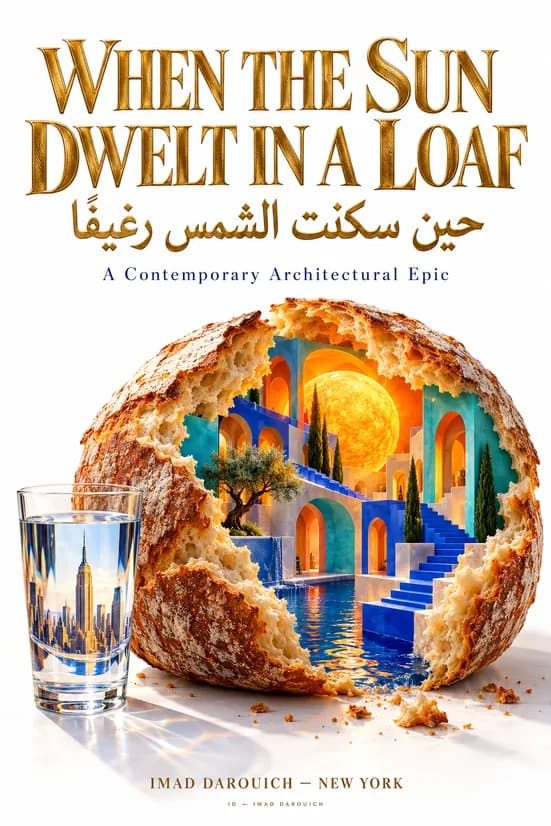
Abu al-Darda, a Companion of the Prophet, narrated the hadith that a little that suffices is better than much that distracts; al-Albani graded it sahih in Sahih al-Targhib. Imad's prose poem, in Arabic and English, carries this hadith about contentment into a New York morning: an architect puts down his phone, breaks a loaf, widens a doorway on a house plan and buys food for a man on the street.
تنويه: تستلهم هذه الملحمة حديث أبي الدرداء رضي الله عنه، ومنه: «فإنَّ ما قلَّ وكفى خيرٌ مما كثُر وألهى»، الوارد في «صحيح الترغيب». وما يلي تأمل أدبي؛ صوره المتخيَّلة ليست من ألفاظ الحديث.Note: This epic draws inspiration from the hadith narrated by Abu al-Darda, included in Sahih al-Targhib: “What is little and sufficient is better than what is abundant and distracting.” The imagined scenes below are literary reflections, not words from the hadith.
في نيويورك، حيث تتزاحم الأبراج على شبرٍ من السماء، كنتُ أبحث عن موضعٍ لروحي.In New York, where towers crowd toward a strip of sky, I was searching for a place for my soul.
أعرف كيف يحمل العمودُ سقفًا.I know how a column carries a roof.
لكنني لم أعرف كيف يحمل الإنسانُ غدًا لم يأتِ.But I did not know how a person carries a tomorrow that has not arrived.
كنتُ أعود من العمل، وأجرُّ خلفي مدينةً من الاحتمالات.I would return from work, dragging a city of possibilities behind me.
تدخل معي من الباب.They entered through the door with me.
وتنام على وسادتي.And slept upon my pillow.
أما أنا، فأبقى واقفًا في رأسي.As for me, I remained standing inside my head.
أضيف إلى المستقبل غرفةً.Adding another room to the future.
ثم أكتشف أن الخوف سبقني إليها.Then discovering that fear had reached it first.
ذات فجر، وقعت عيناي على معنى الحديث.One dawn, my eyes fell upon the meaning of the hadith.
توقفتُ عند الكفاية.I paused at sufficiency.
كأن الكلمةَ حجرُ أساسٍ وجدته تحت ركام سنواتي.As though the word were a foundation stone discovered beneath the rubble of my years.
أغلقتُ الهاتف.I put away my phone.
وكان على المائدة رغيفٌ وكأسُ ماء.On the table lay a loaf and a glass of water.
دخل الضوءُ من النافذة.Light entered through the window.
واستقرَّ في شقوق الخبز.And settled into the cracks of the bread.
خيِّل إليَّ أن الشمسَ خلعت عظمتها، وجلست لتأكل معي.I imagined the sun setting aside its grandeur and sitting down to eat with me.
كسرتُ الرغيف.I broke the loaf.
ارتفع بخارُه كحيٍّ صغيرٍ يستيقظ.Its steam rose like a small neighborhood awakening.
ورأيتُ يدي.And I saw my hand.
هذه اليد التي رسمت مساحاتٍ كثيرة، ولم تمنح صاحبها مكانًا يستريح فيه.The hand that had drawn so many spaces without giving its owner a place to rest.
قلتُ: الحمد لله.I said: praise be to God.
ثم سكتُّ، كي تلحق روحي بما قاله لساني.Then I fell silent, so my soul could catch up with my tongue.
على حافة الكأس، انكسر وجهُ البرج المقابل.Along the rim of the glass, the tower across the street fractured.
شربتُ.I drank.
وعاد البرجُ إلى حجمه خارج النافذة.And the tower returned to its proper size beyond the window.
بقيتُ أنا هنا.I remained here.
في صباحٍ أستطيع أن أعيشه.Inside a morning I could actually live.
حين نهضتُ إلى عملي، أخذتُ تلك السكينة معي.When I rose to go to work, I carried that stillness with me.
في المكتب، كان أمامي مخططُ بيت.At the office, a house plan lay before me.
راجعتُ موضع الباب.I reconsidered the doorway.
وسّعتُه لكرسيٍّ قد يعجز صاحبه عن الوقوف.I widened it for a chair whose occupant might be unable to stand.
قرّبتُ المطبخَ من المائدة.I brought the kitchen closer to the table.
وجعلتُ للمتعب طريقًا أقصر إلى فراشه.And gave the weary a shorter path to bed.
للمرّة الأولى، شعرتُ أن الخطَّ على الورق يستطيع أن يرحم.For the first time, I felt that a line on paper could show mercy.
انتهى النهارُ، وبقي في جيبي ما يزيد على حاجتي.The day ended, and something beyond my needs remained in my pocket.
في الطريق، اشتريتُ طعامًا لرجلٍ ينتظر عند الرصيف.On my way, I bought food for a man waiting beside the curb.
مدَّ يده.He reached out.
وفي المسافة بين كفّينا، سقط آخرُ جدارٍ من صباحي.In the space between our palms, the last wall of my morning fell.
لم أسأله عن حكايته.I did not ask him for his story.
كان البردُ يروي ما يكفي.The cold told enough.
عدتُ إلى البيت أخفَّ مما خرجت.I returned home lighter than when I had left.
وعند الصلاة، وضعتُ جبهتي على الأرض.In prayer, I placed my forehead upon the ground.
كم اقتربتُ من نفسي حين انحنيتُ لله.How close I came to myself when I bowed before God.
رفعتُ رأسي.I lifted my head.
كان الغدُ ما يزال مجهولًا.Tomorrow remained unknown.
لكنني تركتُ له مكانه في الغيب.But I left it in its place within the unseen.
وفتحتُ يدي لهذا المساء.And opened my hands to this evening.
يا ربّ، ارزقني رزقًا أؤدّي به حقَّ من أحب.My Lord, grant me provision with which to fulfill my duty to those I love.
وعملًا ينفع من يمرُّ بي.And work that benefits those who cross my path.
واجعل فيما تعطيني فسحةً لغيري.And leave room for others in what You give me.
حين أطفأتُ المصباح، كان البيتُ هادئًا.When I turned off the lamp, the house was quiet.
على المائدة، بقيت فتاتةٌ من الخبز.On the table, a crumb of bread remained.
جمعتُها في راحتي.I gathered it into my palm.
ثم أكلتُها.Then ate it.
وأغلقتُ يومي دون أن أطالبَه بطابقٍ آخر.And closed my day without demanding another floor.
Provision is the subject of Provision Comes from Where We Least Expect, and The Epic of Preserving the Blessing follows how Damascene homes honored bread and water. More reflections are in the faith and spirit collection.
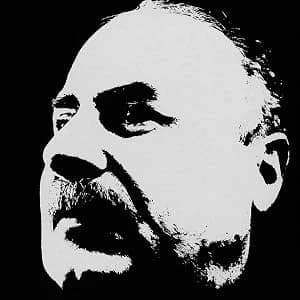
Written by
Architect Imad Darouich
المهندس المعماري عماد درويش
Architect, author and founder of 3DEPICS, based in New York. He writes epic literature that crosses borders, languages and geographies, where philosophy meets architecture, spirituality meets history and memory meets imagination.