Skip to content
3DEPIC

Marcus Aurelius and Stoicism: The Emperor Who Spent the Night Writing to Himself

ماركوس أوريليوس والرواقيّة: الإمبراطور الذي أمضى الليل يكتب إلى نفسه

By Architect Imad Darouich

1 of 6

Marcus Aurelius and Stoicism: The Emperor Who Spent the Night Writing to Himself

1 of 6

Marcus Aurelius seals an order that sends a city's boards to a frontier camp, and his young clerk Lucius, the plague at his sister's door and a water carrier named Victor show him who paid for it. The book reads the Meditations as an emperor's nightly reckoning and asks what justice requires of a man whose word can move a city.

Format
PDF ebook
Languages
Arabic and English

Instant download, no account needed. PDF · 49 pages.

Subscribe from $9 a Month.

Or unlock the entire library with your subscription. Download every book and discover new epics added each week.

Already a member? Sign in to download.

About This Book

Marcus Aurelius and Stoicism: The Emperor Who Spent the Night Writing to Himself is a bilingual ebook in English and Arabic about the Roman emperor Marcus Aurelius and the reflections he wrote to himself, known as the Meditations. Written as a philosophical epic, it reads his Stoicism through daily tasks: examining what he has seen before judging it, weighing his actions against justice, and accepting what lies beyond his power while asking what is still his to do.

An architect narrator in New York, holding a letter from a man who objects to the position of a door, opens the Meditations and enters a tent where Marcus writes beneath a small lamp. The story imagines Marcus as a boy learning to hear a servant before rehearsing his own speech, and then as emperor pressing his ring into the wax of an order that sends boards from a city storehouse to a frontier camp, while his young clerk Lucius knows the street the storehouse serves.

Reading Epictetus, Marcus learns to pause between a report and the anger it provokes, and when a complaint arrives that a water carrier, Victor, has stopped his work, he discovers the man's crossing failed for lack of the boards his own seal sent away. Plague reaches the house of Lucius's sister Mara, the Danube makes the army wait, the boards return to the city, and the emperor writes down the name of a man who died before the crossing was repaired; in the epilogue the narrator walks the route the objecting man's wife takes from the bus.

For readers of Marcus Aurelius and Stoic philosophy, and of reflections on power, responsibility and listening.


At dawn, the emperor sent his orders to the edges of the empire.

A word comes to him from outside.

For an instant he saw a clerk daring to teach him how to write.

From the book

Topics

  • Marcus Aurelius
  • Stoicism
  • Meditations
  • Roman Empire
  • Epictetus
  • Rusticus
  • the Danube
  • the plague
  • justice and power
  • self-examination
  • philosophical epic
  • bilingual ebook

Share this epic

Reader ratings

No ratings yet.

Readers who have downloaded or bought this book can rate it.

Marie Curie: The Light in the Shed
Masculine and Feminine in Architecture: A Hidden Language or a Cultural Projection?
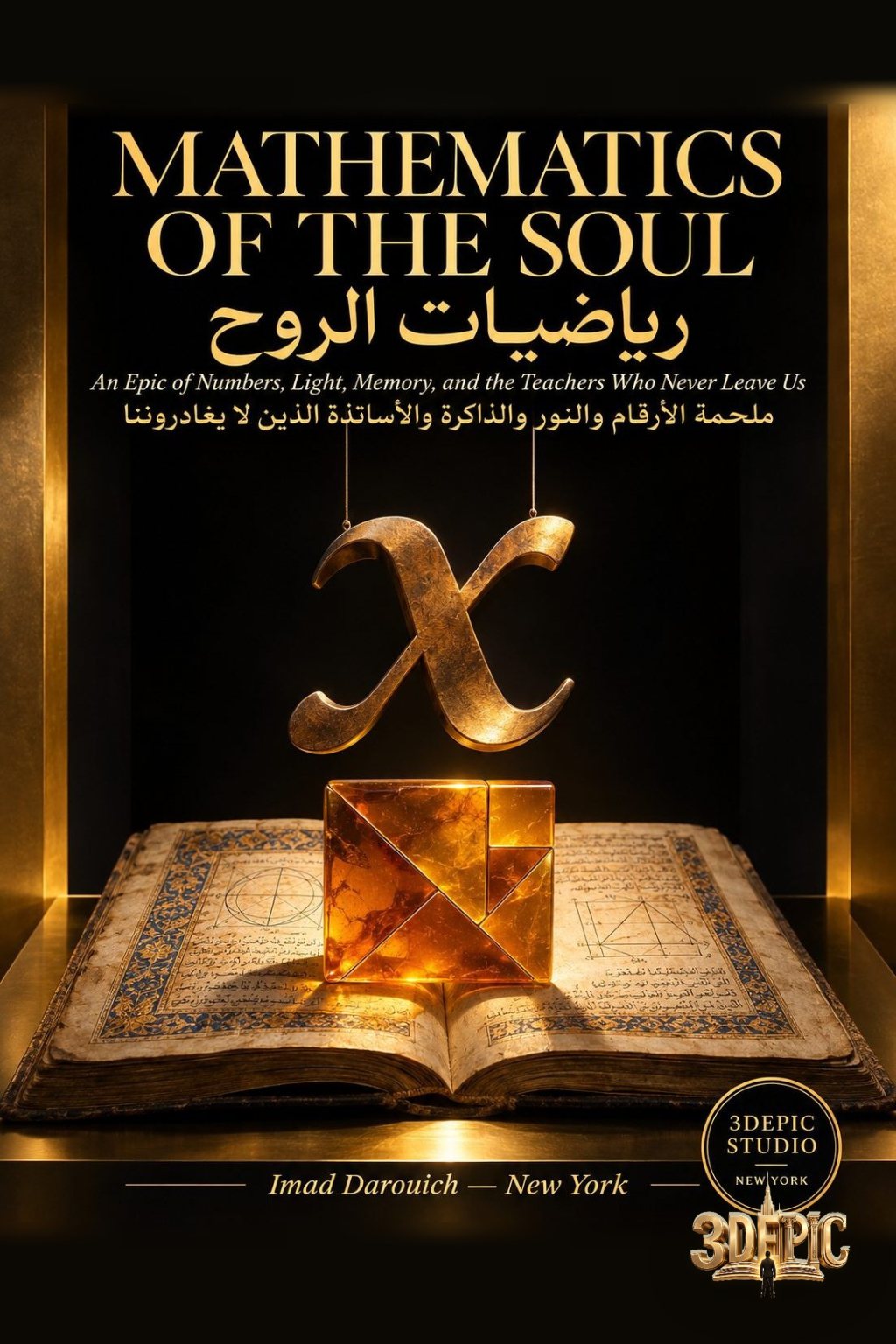
Mathematics of the Soul: Numbers, Light, Memory, and the Teachers Who Never Leave Us
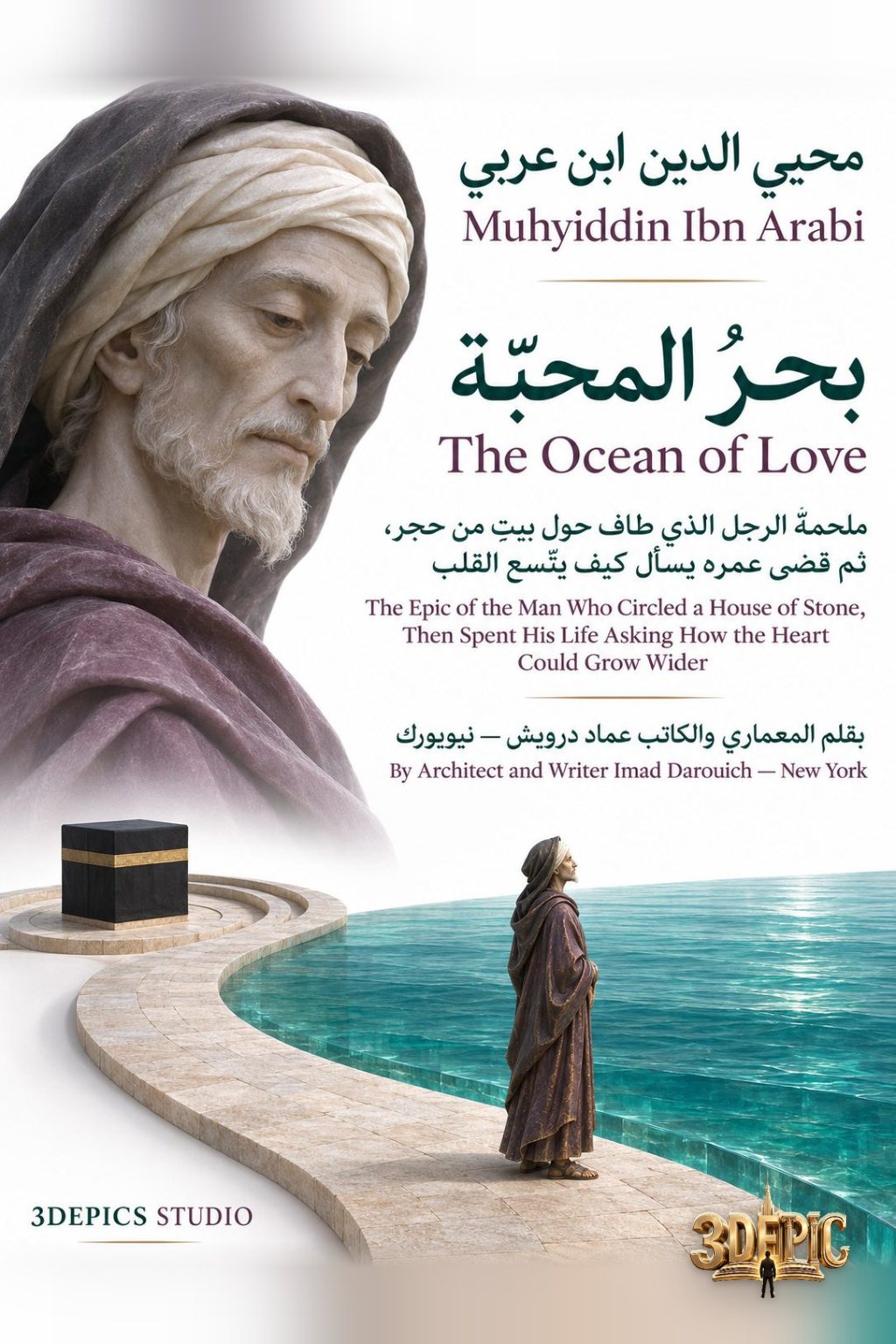
Muhyiddin Ibn Arabi: The Ocean of Love
My Coffee Reads the News: The City That Designs Its Inhabitants
New York Searching for Its Soul in Damascus
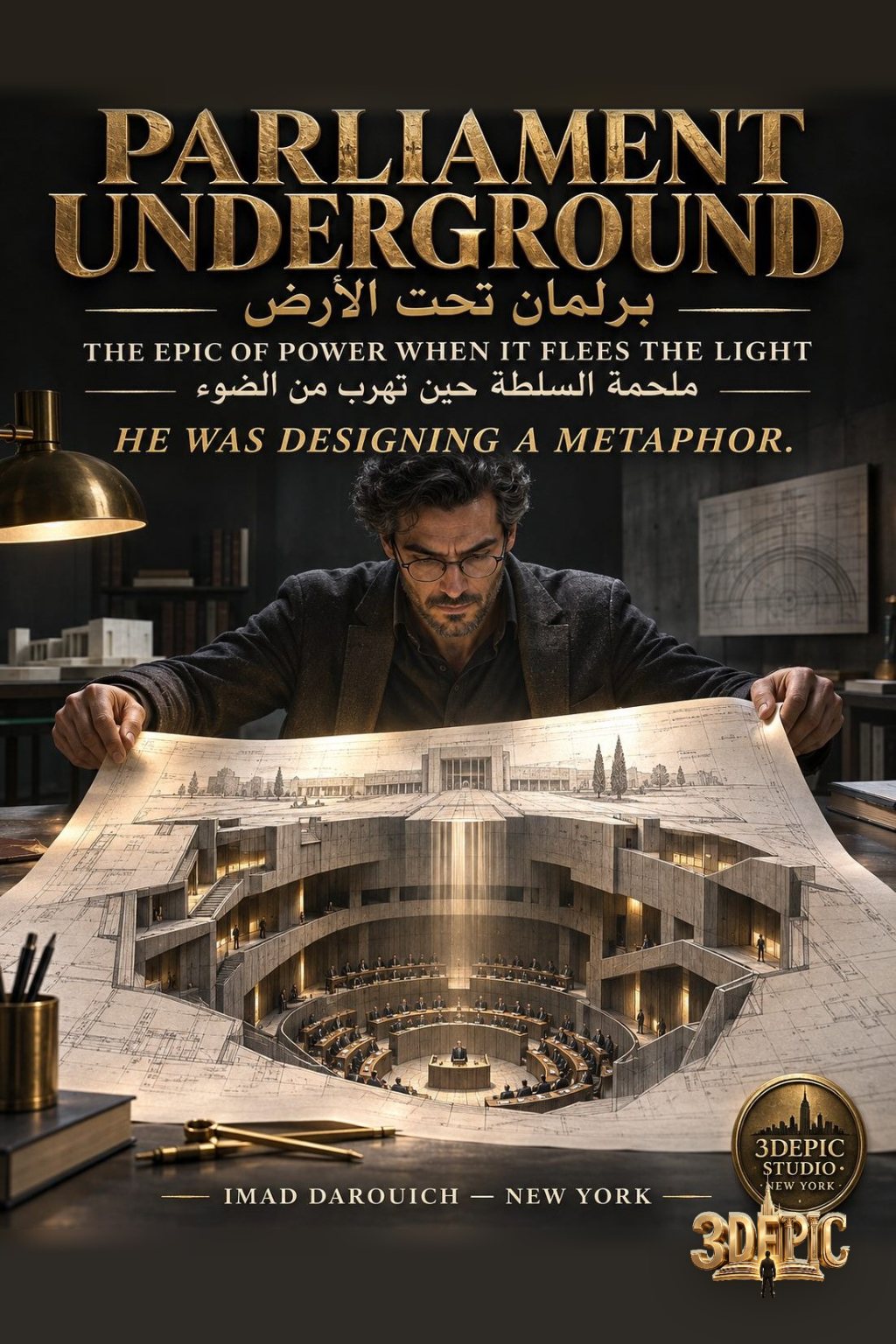
Parliament Underground: The Epic of Power When It Flees the Light
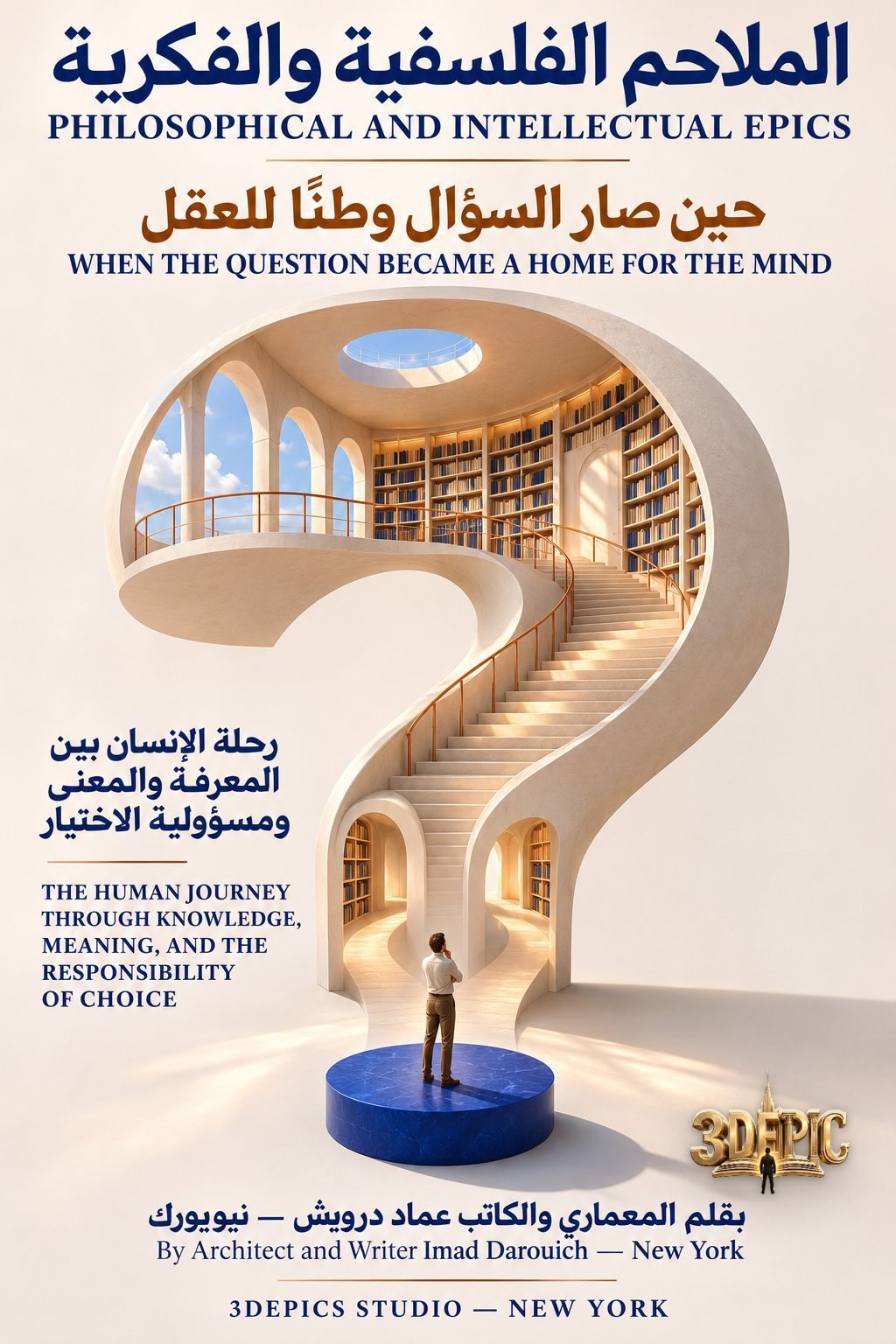
Philosophical and Intellectual Epics: When the Question Became a Home for the Mind
Plato: The Thinker Who Revealed That Reality Is a Shadow
Political and Historical Epics: When History Put the Holders of Thrones on Trial
Pragmatism in Architecture and the Arts and Its Resonance in Islamic Architecture
Prison Without Walls: The Epic of Fear When It Becomes the Guard
Sacred Concrete: When Walls Recite the Surah of Strength
Sigmund Freud: The Interpretation of Dreams
Socrates: The Question in the Marketplace
Stephen Hawking: A Mind Among the Stars

Every ebook. Unlimited downloads.

Join from $9/mo