The Architect Who Built the Wind: A Poem About Architecture
المهندس الذي بنى الريح
An architect who spent his life building for others discovers that his own inner house was never drawn.
By Architect Imad Darouich10 min read
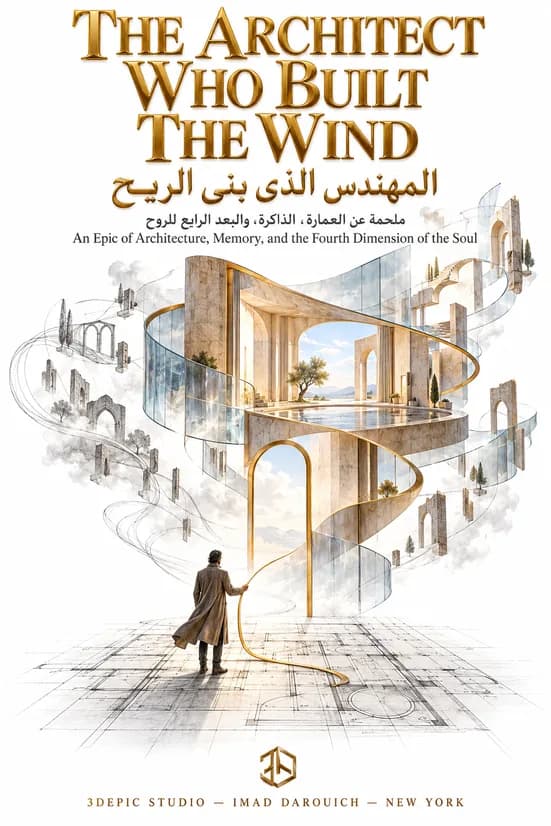
The Architect Who Built the Wind is a prose poem in ten chapters, with a prologue and an epilogue, by Imad Darouich, a New York architect with more than thirty years in architecture. In this poem about architecture, an architect who learned to draw walls, rooms and light discovers what no plan records: memory, the soul and the life that happens between the stones.
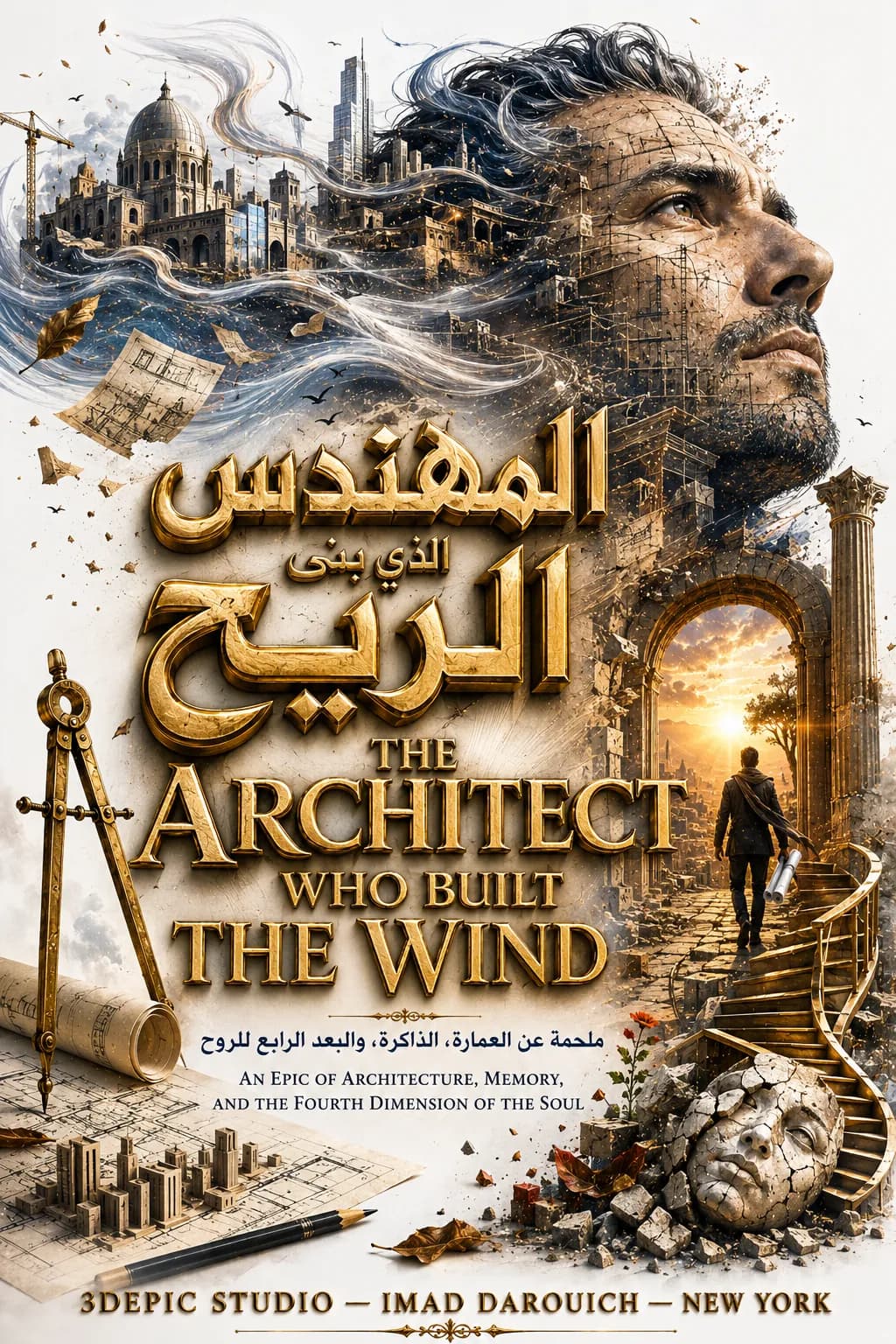
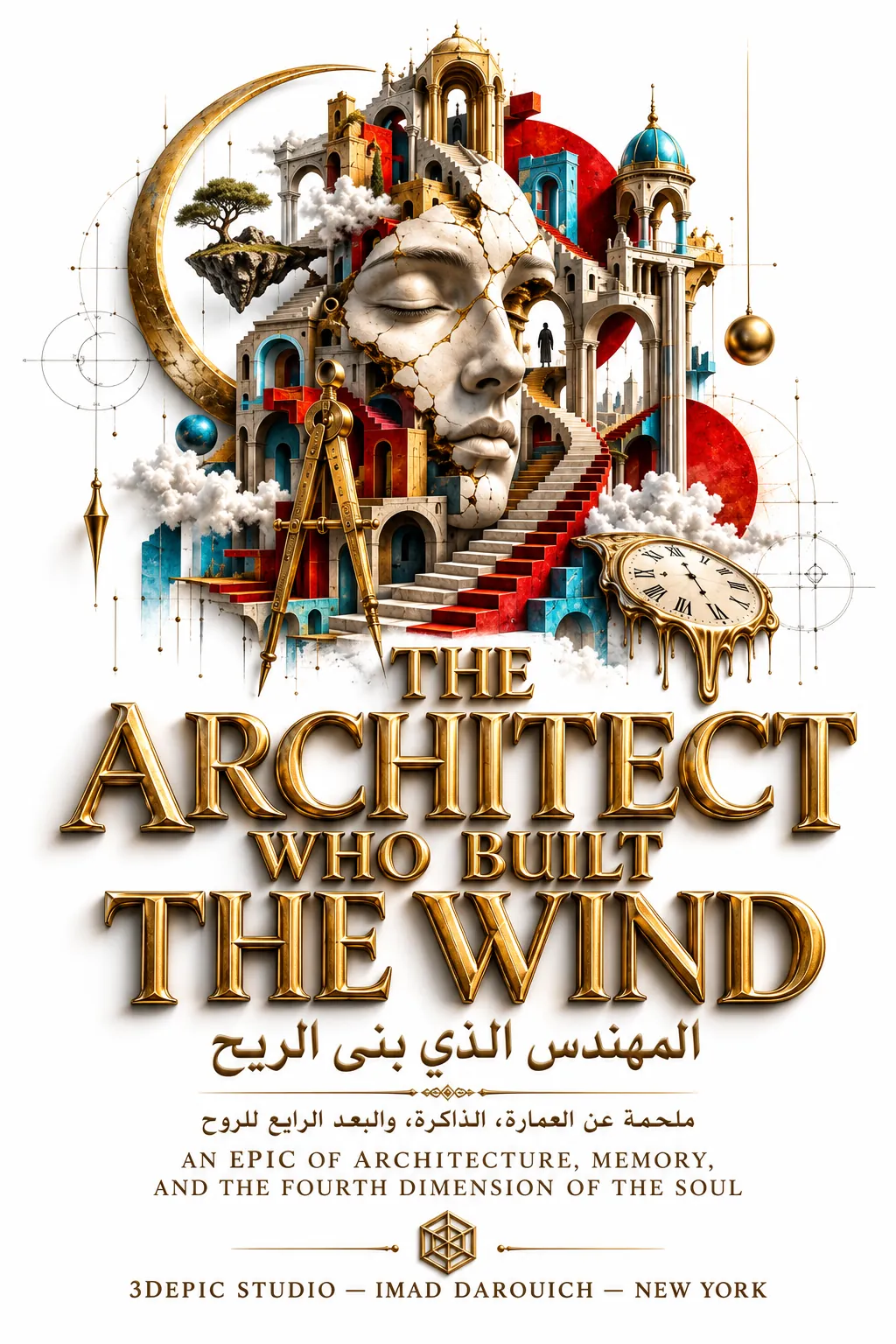
An Epic of Architecture, Memory, and the Fourth Dimension of the Soul
ملحمة عن العمارة، الذاكرة، والبعد الرابع للروح
Prologue
المقدمة
حين اكتشف المعماري أن الإنسان أصعب من المبنىWhen the Architect Discovered That a Human Is Harder to Build Than a Building
أيها المهندس،يا من تعلمت أن تبدأ كل شيء بخط.O architect,you who learned to begin everything with a line.خطٌ على ورقة،ثم جدار.A line upon paper,then a wall.
خطٌ آخر،ثم باب.Another line,then a door.مسافة محسوبة،فتصبح غرفة.A measured distance,and it becomes a room.فراغٌ بين جدارين،فتسميه ممرًا.An emptiness between two walls,and you call it a corridor.لكن من علّمك أن ترسم الفراغ الذي يسكن الإنسان؟But who taught you to draw the emptiness that lives inside a human being?من أعطاك مسطرةً لقياس الحنين؟Who gave you a ruler for measuring longing?من علّمك سماكة جدار الذاكرة؟Who taught you the thickness of a wall of memory?وأين تضع بابًا للخروج من الماضي؟
And where do you place a door for escaping the past?درستَ الأحمال،لكن لم تدرس ثقل الغياب.You studied loads,but never the weight of absence.درستَ مقاومة المواد،لكن من شرح لك مقاومة الإنسان؟You studied the strength of materials,but who explained the strength of the human being?وهكذا تبدأ هذه الملحمة.And so this epic begins.ليست عن مبنى.It is not about a building.بل عن معماري قضى عمره يبني للآخرين،ثم اكتشف أن داخله ما زال أرضًا بلا مخطط.It is about an architect who spent his life building for others, only to discover that within him remained a site without a plan.
الخط الأول
The First Line
في البداية لم يكن هناك مبنى.In the beginning, there was no building.كانت هناك ورقة بيضاء.There was a white sheet of paper.وكان هناك قلم متردد.And there was a hesitant pencil.ثم ظهر الخط الأول.Then came the first line.بسيطًا.مرتجفًا.وحيدًا.Simple.Trembling.Alone.لم يكن يعرف أنه سيصبح جدارًا.It did not know it would become a wall.ولا أن الجدار سيحمل سقفًا.Nor that the wall would carry a roof.ولا أن تحت ذلك السقف،
سيضحك طفل،وتبكي امرأة،ويكبر رجل،ويموت آخر.Nor that beneath that roof,a child would laugh,a woman would weep,a man would grow old,and another would die.المعماري يرى خطًا.The architect sees a line.لكن الحياة ترى مصيرًا.Life sees a destiny.وهنا تبدأ مسؤولية العمارة.Here begins architecture’s responsibility.فكل خط ترسمه،سيصبح يومًا جزءًا من حياة شخص لا تعرفه.Every line you drawmay one day become part of the life of someone you will never know.
لهذا لا توجد خطوط بريئة تمامًا.That is why no architectural line is entirely innocent.قد ترسم نافذة صغيرة،فتصنع غرفة حزينة.You may draw a small windowand create a sorrowful room.وقد تفتح جدارًا نحو السماء،فتمنح إنسانًا سببًا ليبقى.Or you may open a wall toward the skyand give someone a reason to remain.المخطط ليس مجرد رسم.A plan is not merely a drawing.إنه اقتراح لحياة لم تبدأ بعد.It is a proposal for a life not yet begun.
Chapter Two
الفصل الثاني
When Emptiness Became Material
حين أصبح الفراغ مادة
قالوا له في الجامعة:They told him at university:
هذه كتلة.This is mass.وهذا فراغ.And this is void.تعلم أن يقيس الكتلة.He learned to measure mass.لكن الفراغ ظل عصيًا.But emptiness remained elusive.كيف تقيس غرفة فارغة بعد رحيل أصحابها؟How do you measure an empty room after its people have gone?هل مساحتها هي ما يقوله المخطط؟Is its area what the plan says?أم ما تقوله الذكريات؟Or what memory says?هناك غرف صغيرة تتسع لطفولة كاملة.Some tiny rooms contain an entire childhood.وقصور واسعة لا تتسع لقلب واحد.And some vast palaces cannot contain a single heart.فهم المعماري متأخرًا
أن الفراغ ليس غياب المادة.The architect understood too latethat space is not the absence of matter.الفراغ حضور ما لا يُرى.Space is the presence of what cannot be seen.صوت الأم في المطبخ.A mother’s voice in the kitchen.خطوات الأب على الدرج.A father’s footsteps on the stairs.رائحة الخبز.The smell of bread.نافذة يعرف منها الطفل موعد عودة الشمس.A window through which a child learns when the sun returns.هذه أيضًا عمارة.This, too, is architecture.لكنها لا تظهر في المخططات.Yet it never appears on the drawings.
الضوء الذي يسكن الجدران
The Light That Lives in Walls
كان يعرف كيف يحسب اتجاه الشمس.He knew how to calculate the sun’s path.يعرف الجنوب.He knew south.ويعرف زاوية الظل.He knew the angle of shadow.ويعرف متى يدخل الضوء.He knew when light would enter.لكنه لم يكن يعرفلماذا يستطيع شعاع واحدأن يغير معنى غرفة كاملة.But he did not knowwhy a single ray of lightcould change the meaning of an entire room.الضوء في العمارة ليس إنارة.Light in architecture is not illumination.إنه زمن.It is time.يدخل صباحًا من نافذة،
ثم يتحرك ببطء فوق الجدار،ويختفي مساءً.It enters through a window in the morning, moves slowly across a wall,and disappears at evening.إنه ساعة لا تحتاج إلى عقارب.It is a clock without hands.المعماري الحقيقي لا يبني للضوء مكانًا فقط.The true architect does not merely make room for light.بل يبني للظل أيضًا.He also builds for shadow.لأن الضوء بلا ظل مسطح.Because light without shadow is flat.والحياة بلا عتمة لا تعرف معنى النور.And life without darkness cannot understand light.
Chapter Four
الفصل الرابع
The House That Lives Inside Us
البيت الذي يسكن الإنسان
نظن أننا نسكن البيوت.
We believe we inhabit houses.لكن البيوت تسكننا أيضًا.But houses inhabit us too.قد تهدم بيتًا بالكامل،وتظل تعرف مكان الباب.A house may be completely demolished,yet you still know where its door stood.تغمض عينيك،فتعرف عدد الدرجات.You close your eyesand remember the number of steps.تعرف أين كانت النافذة.You remember where the window was.وأين جلست أمك.Where your mother sat.وأين تركت طفولتك لعبتها الأخيرة.Where your childhood left its final toy.عندها يفهم المعماريأن الهدم لا يعني دائمًا النهاية.
Then the architect understandsthat demolition does not always mean an ending.يمكن تدمير الحجر.Stone can be destroyed.لكن الذاكرة مادة أكثر عنادًا.Memory is a more stubborn material.لا مطرقة تصل إليها.No hammer can reach it.ولا جرافة تستطيع إزالتها.No bulldozer can remove it.وهنا يصبح البيت شيئًا آخر.Here, the house becomes something else.لا عنوانًا.Not an address.ولا ملكية.Not a property.بل جزءًا من تعريف الإنسان لنفسه.But part of how a human being defines himself.
Chapter Five
الفصل الخامس
The Fourth Dimension
البعد الرابع
قالوا له:They told him:
الطول.Length.
العرض.Width.
الارتفاع.Height.
ثلاثة أبعاد.Three dimensions.
فبنى المجسمات.So he built models.
ورسم المناظير.He drew perspectives.
وأتقن الفراغ.He mastered space.
ثم اكتشف أن شيئًا ناقصًا.Then he discovered something was missing.
كان هناك بُعد لا يظهر على الورق.There was a dimension invisible on paper.الروح.The soul.ليست الروح مادة بناء.The soul is not a building material.ولا بندًا في المواصفات.Nor a specification item.لكنها تستطيع أن تجعل غرفة متواضعةأعظم من قصر.Yet it can make a modest roomgreater than a palace.وتستطيع أن تجعل بناءً مذهلًافارغًا كقبر.And it can make a spectacular buildingas empty as a tomb.فهم عندها:Then he understood:المعماري لا يعمل في ثلاثة أبعاد.
The architect does not work in three dimensions.إنه يعمل في أربعة.He works in four.والرابع لا يُرسم.The fourth cannot be drawn.إنه يُعاش.It is lived.
Chapter Six
الفصل السادس
The Architect Who Could Not Restore Himself
المعماري الذي لم يعرف كيف يرمم نفسه
كان يعرف الترميم.He understood restoration.يعرف كيف يقرأ الشقوق.He knew how to read cracks.كيف يدعم الجدران.How to reinforce walls.كيف يعيد الحياة إلى مبنى قديم.How to return life to an old building.لكن عندما بدأت الشقوق تظهر داخله،
لم يجد تفصيلًا إنشائيًا واحدًا يساعده.But when cracks began appearing within him, he found no structural detail that could help.أي إسمنت يصلح الذاكرة؟What concrete repairs memory?أي حديد يقاوم الحنين؟What steel resists longing?أي أساس يحمل قلبًا فقد أرضه؟What foundation carries a heart that has lost its ground?اكتشف المفارقة القاسية.He discovered the cruel paradox.لقد قضى حياتهيعطي المباني القدرة على الوقوف،He had spent his lifeteaching buildings how to stand,ولم يتعلمكيف يقف الإنسان حين تنهار الأشياء التي أحبها.yet never learnedhow a human stands when the things he loves collapse.
Chapter Seven
الفصل السابع
The City as Memory
المدينة بوصفها ذاكرة
المدينة ليست شوارع.A city is not streets.ولا أبراجًا.Nor towers.ولا شبكة مواصلات.Nor a transportation network.المدينة اتفاق غير مكتوببين ملايين الذكريات.A city is an unwritten agreementamong millions of memories.هناك رجل يحب زاويةلأنه قبّل فيها زوجته أول مرة.A man loves a cornerbecause he first kissed his wife there.وامرأة تحب شجرةلأن والدها كان ينتظرها تحتها.A woman loves a tree
because her father waited beneath it.وطفل أصبح رجلًاوما زال يظن أن زقاق طفولتههو مركز الكون.A child becomes a manyet still believes the alley of his childhoodis the center of the universe.حين تهدم مدينة،لا تهدم مباني فقط.When you destroy a city,you do not merely destroy buildings.أنت تمزق شبكة ضخمةمن العلاقات بين المكان والإنسان.You tear apart an immense networkof relationships between place and person.لهذا فإن إعادة الإعمارليست صب الخرسانة.That is why reconstructionis not the pouring of concrete.
إنها إعادة بناء الثقةبين الإنسان والمكان.It is rebuilding trustbetween human beings and place.
When the Cities Fell
حين سقطت المدن
وقف المعماري أمام الركام.The architect stood before the ruins.لأول مرة،لم يكن يحمل مخططًا.For the first time,he carried no plan.كان كل شيء أمامهخارج المقياس.Everything before himwas beyond scale.جدار بلا غرفة.A wall without a room.
باب بلا بيت.A door without a house.درج يصعد إلى السماءولا يصل إلى طابق.A staircase climbing toward the skyand reaching no floor.هنا تغير معنى العمارة.Here the meaning of architecture changed.لم يعد السؤال:كيف نبني؟The question was no longer:How do we build?بل:ماذا يستحق أن نعيد بناءه؟It became:What deserves to be rebuilt?هل نعيد الجدران؟Do we restore the walls?أم العلاقات؟
Or the relationships?هل نعيد الطرق؟The roads?أم طرق العودة؟Or the paths of return?هل نبني المدينة التي كانت؟Do we rebuild the city that was?أم المدينة التي كان يجب أن تكون؟Or the city that should have been?
Chapter Nine
الفصل التاسع
المهندس الذي بنى الريحTHE ARCHITECT WHO BUILT THE WIND
وفي يوم ما،توقف عن رسم الجدران.One day,he stopped drawing walls.ورسم سهمًا صغيرًا.And drew a small arrow.اتجاه الريح.
The direction of the wind.ضحك أحدهم.Someone laughed.قال:Asked:كيف تبني شيئًا لا تستطيع الإمساك به؟How can you build something you cannot hold?فأجاب المعماري:The architect answered:هذه هي العمارة.That is architecture.نحن لا نبني الحجر.We do not build stone.نحن نبني ما يحدث بين الحجارة.We build what happens between stones.نبني مرور الضوء.We build the passage of light.نبني حركة الهواء.We build the movement of air.
نبني لحظة الدخول.We build the moment of arrival.نبني الإحساس بالأمان.We build the feeling of safety.نبني انتظار شخص عند نافذة.We build someone waiting at a window.نبني طفولةً لا تعرف بعدأن البيت سيصبح يومًا ذكرى.We build a childhood that does not yet know that its home will one day become a memory.عندها فهم معنى العنوان.Then he understood the title.لقد أمضى حياته يبني الريح.He had spent his life building the wind.يعطي غير المرئي شكلًا،ويمنح الفراغ معنى.Giving form to the invisible,and meaning to emptiness.
Chapter Ten
الفصل العاشر
The Last House
البيت الأخير
في نهاية الرحلة،عاد إلى الورقة البيضاء.At the end of the journey,he returned to the white sheet.لم يرسم قصرًا.He drew no palace.ولا برجًا.No tower.ولا متحفًا.No museum.رسم بيتًا صغيرًا.He drew a small house.باب.A door.نافذة.A window.شجرة.A tree.
كرسي قرب الضوء.A chair beside the light.ثم توقف.Then he stopped.وسأل نفسه:And asked himself:لمن هذا البيت؟Who is this house for?نظر طويلًا إلى الورقة.He looked at the page for a long time.ثم كتب:Then he wrote:لي.For me.كانت تلك أصعب كلمة رسمها في حياته.It was the hardest word he had ever drawn.لأنه فهم أخيرًاأن المعماري يستطيع أن يبني مدينة كاملةويبقى بلا بيت داخلي.
Because he finally understoodthat an architect can build an entire cityand remain without an inner home.وأن أعظم مشروعليس ما يبقى بعدك من حجر.And that the greatest projectis not the stone that survives you.بل ما يبقى في الإنسانبعد أن يغادر الحجر.It is what remains within the human being after the stone is gone.
Epilogue
الخاتمة
Do Not Forget the Window
لا تنسَ النافذة
أيها المعماري،O architect,ابنِ ما تشاء.Build whatever you wish.ارفع الأبراج.
Raise towers.مدّ الجسور.Stretch bridges.اصنع المدن.Create cities.لكن لا تنسَ النافذة.But do not forget the window.نافذة في المبنى،A window in the building,ونافذة في الفكرة،a window in the idea,ونافذة في روحك.and a window in your soul.لأن الإنسان لا يعيش بالجدران وحدها.Because a human being does not live by walls alone.يحتاج إلى منفذ نحو شيء أكبر منه.He needs an opening toward something larger than himself.وتذكر:And remember:
الخريطة ليست الأرض.The map is not the land.والمخطط ليس الحقيقة.The blueprint is not the truth.والمبنى ليس العمارة كلها.The building is not all of architecture.فالعمارة الحقيقية تبدأحين ينتهي الرسم.True architecture beginswhen the drawing ends.حين يدخل الطفل.When the child enters.حين تُفتح النافذة.When the window opens.حين يتحرك الستار.When the curtain moves.حين تعبر الريح.When the wind passes through.وحين يشعر إنسان مجهول
أن هذا المكان يفهمه.And when an unknown human being feels that this place understands him.عندها فقط،تتحول الجدران إلى بيت.Only thendo walls become a home.والفراغ إلى معنى.Space becomes meaning.والهندسة إلى إنسانية.Geometry becomes humanity.والمعماري إلى أكثر من صانع مبانٍ.And the architect becomes more than a maker of buildings.يصبح صانعًا للضوء،a maker of light,وحارسًا للذاكرة،a guardian of memory,ومهندسًا لما لا يُرى.and an architect of the invisible.
ذلك هو المهندس الذي بنى الريح.That is the architect who built the wind.
When the Sky Asked for the Plans is a shorter text in which an architect looks for the plans of his own soul. More in The Epic of the Architect and the Clouds and the ideas and philosophy collection.
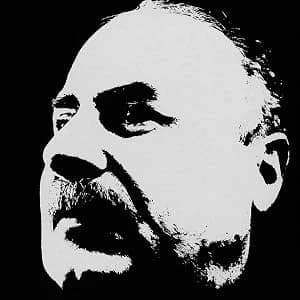
Written by
Architect Imad Darouich
المهندس المعماري عماد درويش
Architect, author and founder of 3DEPICS, based in New York. He writes epic literature that crosses borders, languages and geographies, where philosophy meets architecture, spirituality meets history and memory meets imagination.