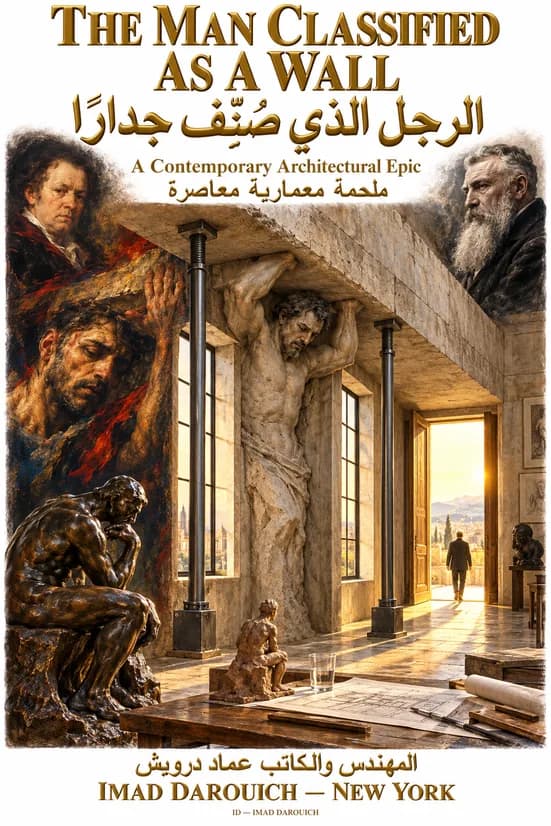
The Man Who Could Not Fit Inside His Portrait: Picasso and Giacometti
الرجلُ الذي لم تتّسع له صورتُه
A clerk says his face no longer matches the document, so an architect living between two countries goes looking for a portrait that fits.
By Architect Imad Darouich4 min read
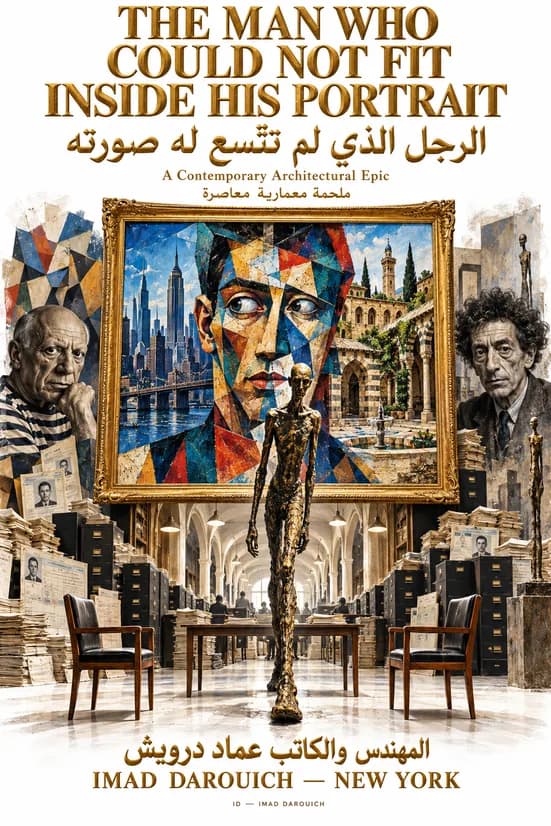
Pablo Picasso, a co-founder of Cubism, and Alberto Giacometti, the Swiss sculptor of tall, thin walking figures, both lived and worked in Paris and knew each other there. Imad's imagined story sends him to renew his identity papers and meet Picasso and Giacometti inside the office: one paints his face looking toward two countries, the other hands him a bronze walking man, and the clerk still finds no box for either.
A Note
تنويه
حكاية متخيّلة تجمع بابلو بيكاسو وألبرتو جياكوميتي؛ اللقاء والحوار من الخيال.An imagined story bringing together Pablo Picasso and Alberto Giacometti; the encounter and dialogue are fictional.
The Introduction
المقدمة
وصلتني رسالةٌ تطلب الحضور لتجديد هويّتي.A letter arrived asking me to appear to renew my identity.
حملتُ أوراقي، وذهبتُ.I took my papers and went.
نظر الموظّف إلى صورتي، ثم إلى وجهي.The clerk looked at my photograph, then at my face.
قال: تغيّرتَ كثيرًا.He said: You have changed considerably.
قلتُ: مرّت سنوات.I said: Years have passed.
قال: السنواتُ ليست عذرًا. يجب أن تُشبه الوثيقة.He said: Years are no excuse. You must resemble the document.
The Epic
الملحمة
أرسلني إلى غرفة التصوير.He sent me to the photography room.
هناك وجدتُ بيكاسو أمام لوحةٍ لوجهي.There I found Picasso before a painting of my face.
عينٌ تنظر إلى نيويورك، وأخرى إلى بيتٍ بعيد.One eye looked toward New York, the other toward a distant home.
قلتُ: لقد قسمتَني.I said: You have divided me.
قال: اقترب.He said: Come closer.
اقتربتُ. رأيتُ في الوجه شابًّا غادر، ورجلًا وصل، وابنًا ما زال ينتظر صوت أبيه.I stepped closer. In that face I saw a young man who had left, a man who had arrived, and a son still waiting for his father’s voice.
كانت الملامحُ مختلفة، وكان الوجعُ واحدًا.The features were different. The ache was one.
حملتُ اللوحة إلى الموظّف.I carried the painting to the clerk.
عدَّ العينين، وقاس موضع الأنف.He counted the eyes and measured the position of the nose.
قال: لا يمكن اعتماد هذا الوجه. ينظر إلى أكثر من جهة.He said: This face cannot be approved. It looks in more than one direction.
قلتُ: هكذا يعيش الإنسان حين تكون حياته موزّعةً بين بلدين.I said: That is how a person lives when his life is divided between two countries.
كتب: «تعذّر تثبيت الملامح».He wrote: “Unable to establish fixed features.”
ثم أشار إلى بابٍ ضيّق.Then he pointed to a narrow door.
قال: جرّب قسمَ الأحجام.He said: Try the Department of Dimensions.
وجدتُ جياكوميتي هناك، يصنع رجلًا طويلًا نحيلًا من البرونز.I found Giacometti there, making a tall, slender man from bronze.
كان يمشي.He was walking.
قدمٌ أمام الأخرى، ووجهٌ أكلتْ تفاصيله المسافة.One foot before the other, his facial details worn away by distance.
سألته: لماذا جعلته نحيلًا إلى هذا الحدّ؟I asked: Why have you made him so thin?
مرّر أصابعه على كتف التمثال.He ran his fingers over the sculpture’s shoulder.
قال: كلما أردتُ أن أصل إلى الإنسان، وجدتُ شيئًا يحجبه.He said: Whenever I tried to reach the human being, I found something concealing him.
وقفتُ إلى جواره.I stood beside him.
تذكّرتُ الممرّات التي عبرتُها، حاملًا اسمي في ملفّ.I remembered the corridors I had crossed, carrying my name in a file.
في كلّ مكتبٍ تركتُ شرحًا، وخرجتُ أقلَّ قدرةً على الكلام.At every office I had left an explanation and emerged less able to speak.
رفع جياكوميتي التمثال عن قاعدته.Giacometti lifted the sculpture from its base.
قال: احمله معك.He said: Take him with you.
عدتُ إلى الموظّف، والتمثالُ تحت ذراعي، ولوحةُ بيكاسو في يدي.I returned to the clerk, the sculpture beneath my arm and Picasso’s painting in my hand.
نظر إليهما طويلًا.He studied them for a long time.
قال: الصورةُ غير مطابقة، والحجمُ غير مألوف.He said: The portrait does not match, and the dimensions are unusual.
قلتُ: وأنا أمامك.I said: And I am standing before you.
قلّب الأوراق.He shuffled the papers.
قلتُ: اسألني.I said: Ask me.
رفع رأسه.He raised his head.
اسألني عن عملي. عن أول بيتٍ رسمتُه. عن الذين أحببتُهم.Ask me about my work. About the first house I drew. About those I have loved.
اسألني لماذا أرتجف حين أسمع اسمَ أبي.Ask me why I tremble when I hear my father’s name.
دفع الملفَّ نحوي.He pushed the file toward me.
قال: لا توجد خاناتٌ لهذه المعلومات.He said: There are no fields for that information.
خلفه، كانت خزائنُ الملفات ترتفع حتى السقف.Behind him, filing cabinets rose to the ceiling.
آلافُ الأسماء محفوظةٌ بعناية.Thousands of names, carefully preserved.
ولم يكن أمام مكتبه كرسيٌّ واحد.Yet there was not a single chair before his desk.
أنا معماري. رأيتُ الخطأ أخيرًا.I am an architect. At last, I saw the flaw.
صُمّمت الغرفةُ لتحتفظ بالأوراق، ويظلّ الإنسانُ واقفًا.The room had been designed to keep the papers while the human being remained standing.
The Ending
الخاتمة
خرجتُ بلوحتي وتمثالي، والطلبُ ما زال معلّقًا.I left with my painting and sculpture, the application still pending.
في البيت، علّقتُ الوجهَ الذي ينظر إلى بلدين.At home, I hung the face that looks toward two countries.
ووضعتُ الرجلَ البرونزيَّ قرب الباب.I placed the bronze man beside the door.
ثم جلستُ أرسم غرفةَ انتظارٍ جديدة.Then I sat down to draw a new waiting room.
بدأتُ بكرسيّ.I began with a chair.
أمامه كرسيٌّ آخر، يجلس عليه مَن يملك الختم.Across from it, another chair for the person who holds the stamp.
وبينهما طاولةٌ صغيرة، لا تحجب وجهًا.Between them, a small table that conceals no face.
يا ربّ، أعنّي أن أرى الإنسان قبل أن أطلب أوراقه.O Lord, help me see the human being before I ask for his papers.
في صباح اليوم التالي، سأعود إلى المكتب.The next morning, I will return to the office.
سأحمل الوثائق المطلوبة.I will carry the required documents.
لكنني، هذه المرّة، سأطلب كرسيًّا.But this time, I will ask for a chair.
فقد تعبتُ من الوقوف أمام مَن يبحث عنّي، وأنا أمامه.For I am tired of standing before someone searching for me while I am right before him.
Picasso's split faces return in Picasso, Le Rêve: When the Face Split Between Reality and Desire, and his Guernica is the subject of The Wall That Carried a Scream. A man held between two homelands also speaks in The Man Two Homelands Forgot.
Written by
Architect Imad Darouich
المهندس المعماري عماد درويش
Architect, author and founder of 3DEPICS, based in New York. He writes epic literature that crosses borders, languages and geographies, where philosophy meets architecture, spirituality meets history and memory meets imagination.