Khans of Strangers: The Old Khans of Damascus
خانات الغرباء
A traveler checks into an old Damascus khan and finds his departure already written in the ledger, in Imad's surreal tale.
By Architect Imad Darouich3 min read
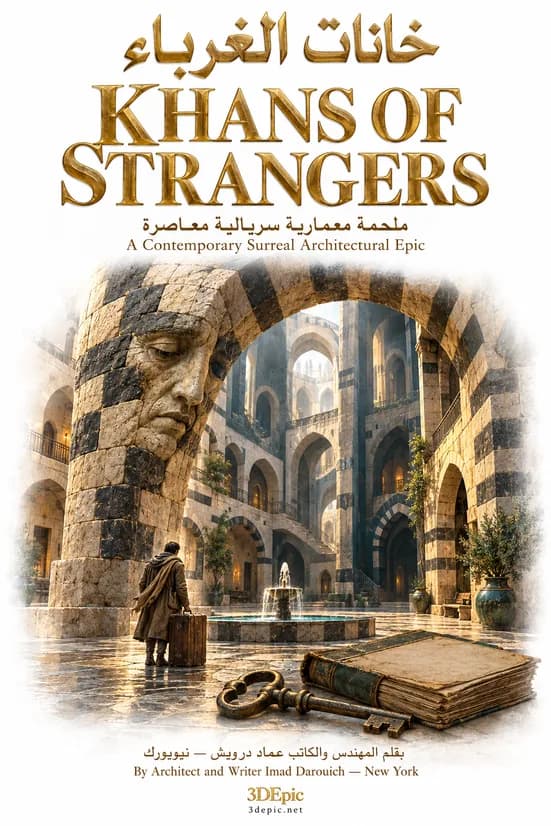
Khans are the caravanserais of old Damascus, courtyard inns where merchants lodged, stored goods and traded; Khan As'ad Pasha, built in 1751 to 1752, is the largest of the khans of Damascus. Imad's Khans of Strangers is a surreal tale set in such a khan, where a traveler, a ledger and a guard who counts keys turn into a story about estrangement and an identity slowly erased.
ملحمة معمارية سريالية معاصرة.A Contemporary Surreal Architectural Epic.
Note
تنويه
حكاية متخيّلة تستلهم خانات دمشق القديمة.An imagined tale inspired by Damascus’s old khans.
شخصياتها وأحداثها رموزٌ للاغتراب ومحو الهوية.Its characters and events symbolize estrangement and erased identity.
Introduction
مقدمة
وصلتُ دمشق ومعي حقيبةٌ وعنوانٌ قديم.I reached Damascus with a suitcase and an old address.
كان الخان مفتوحًا، والحارس ينتظر وصولي.The khan stood open; its guard awaited me.
أخرج سجلًا، وأشار إلى اسمي فيه.He opened a ledger and pointed to my name.
وجدتُ بجانبه تاريخ مغادرتي قبل ولادتي.Beside it stood a departure date preceding my birth.
طلبتُ غرفةً أقضي فيها هذه الليلة.I requested a room for the night.
قاس الحارس كتفيّ، ثم عرض الممر.The guard measured my shoulders, then the corridor.
دوّن أنني أصلح للإقامة قرب السلالم.He recorded that I was suited to lodging near stairs.
لم أفهم العلاقة، لكنني كنتُ متعبًا.I did not understand the connection, but I was tired.
أعطاني مفتاحًا ثقيلًا يحمل رقمًا ممسوحًا.He gave me a heavy key bearing an erased number.
صعدتُ، فوجدتُ الأبواب تحمل تواريخ بدل الأرقام.Upstairs, the doors bore dates instead of numbers.
جرّبتُ المفتاح في تاريخ موت أبي.I tried the key in the date of my father’s death.
انفتح الباب على غرفةٍ بلا أرض.The door opened onto a room without a floor.
في وسطها، كانت حقيبتي معلّقةً وتنتظرني.At its center, my suitcase hung, waiting for me.
عدتُ أسأل الحارس عن أرض الغرفة.I returned to ask the guard about the missing floor.
أراني توقيعي تحت بند التنازل عنها.He showed my signature beneath a clause surrendering it.
كان الخطّ خطّي، واليد ترتجف مثلي.The handwriting was mine; its tremor matched my own.
بدأتُ أبحث في ذاكرتي عن ذنب.I began searching my memory for an offense.
راقبني الحارس حتى اعتذرتُ عن السؤال.The guard watched until I apologized for asking.
في الصحن، جلس تاجرٌ أمام ميزان.In the courtyard, a merchant sat before scales.
وضع عليه جوازه، فرجحت الكفّة الفارغة.He placed his passport upon them; the empty pan sank.
أضاف رسائل أمّه وصورةً من بيته.He added his mother’s letters and a photograph of home.
لم تتحرّك الكفّة التي تحمل حياته.The pan holding his life did not move.
طلب الموظف دليلًا آخر على وجوده.The clerk requested further evidence of his existence.
قرب البحرة، كانت امرأةٌ تغسل اسمها.Beside the fountain, a woman was washing her name.
انتشر الحبر فوق الماء، وبقيت الورقة.The ink spread across the water; the paper remained.
قالت إنهم سيقبلونها حين تصبح بيضاء.She said they would admit her once it was white.
وراءها طفلٌ يحفظ وجهها قبل اختفائه.Behind her, a child memorized her face before it disappeared.
حلّ المساء، فأغلق الحارس باب الخان.Evening came; the guard closed the khan’s gate.
ثم أعلن أن أحدًا لم يدخل.Then announced that nobody had entered.
وقفنا جميعًا أمامه، نحمل مفاتيح غرفنا.We all stood before him, holding our room keys.
عدّ المفاتيح بدقّة، ولم ينظر إلينا.He counted the keys carefully, without looking at us.
كانت الأشياء مسجّلةً، وأصحابها خارج الحساب.The objects were registered; their owners went uncounted.
أخرجتُ هويتي لأثبت خطأ السجلّ.I produced my identification to establish the ledger’s error.
وجدتُ صورتي تتحوّل إلى حجرٍ مستطيل.I found my photograph becoming a rectangular stone.
لم يندهش الحارس؛ استدعى عامل البناء.The guard showed no surprise; he summoned the mason.
قاس العامل فراغًا صغيرًا قرب القوس.The mason measured a small gap beside the arch.
ثم أعاد قياس كتفيّ بعنايةٍ مهنيّة.Then measured my shoulders again with professional care.
تراجعتُ، فاحتكّ ظهري بخشونة الجدار القديم.I stepped back; my back scraped the old wall.
شعرتُ بالبرد يستقرّ داخل عظامي ببطء.I felt the cold slowly settle inside my bones.
حاولتُ الصراخ، فامتلأ فمي بغبارٍ ناعم.I tried to shout; fine dust filled my mouth.
مددتُ يدي، ولم أجد أصابعي.I reached out and could not find my fingers.
كان العامل يسوّي موضعي بحجرٍ آخر.The mason was leveling my place with another stone.
Ending
خاتمة
مع الفجر، دخل مسافرٌ يحمل حقيبة.At dawn, a traveler entered carrying a suitcase.
توقّف قرب القوس، ولمس وجهي الحجري.He paused beside the arch and touched my stone face.
قال إن البناء جميلٌ رغم قِدمه.He remarked that the building was beautiful despite its age.
ابتسم الحارس، وسأله عن مدّة إقامته.The guard smiled and asked how long he intended to stay.
The largest of these inns is the subject of Khan As'ad Pasha: When Trade Became Architecture, and the customs house of the old city fills Khan al-Jumruk: An Architectural Epic of Caravans, Customs, and the Architecture of Trade. For the city seen from above, read Rooftops: Damascus Opens Its Roof to the Sky.
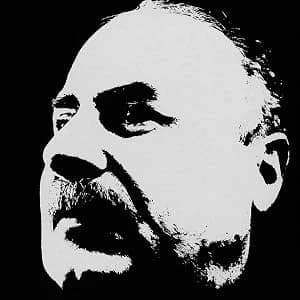
Written by
Architect Imad Darouich
المهندس المعماري عماد درويش
Architect, author and founder of 3DEPICS, based in New York. He writes epic literature that crosses borders, languages and geographies, where philosophy meets architecture, spirituality meets history and memory meets imagination.