The Epic of Functionalism
ملحمة الوظيفيّة
Imad follows functionalism through five principles and the Bauhaus at Dessau, then asks what memory, symbol and wonder add to a building that works.
By Architect Imad Darouich7 min read
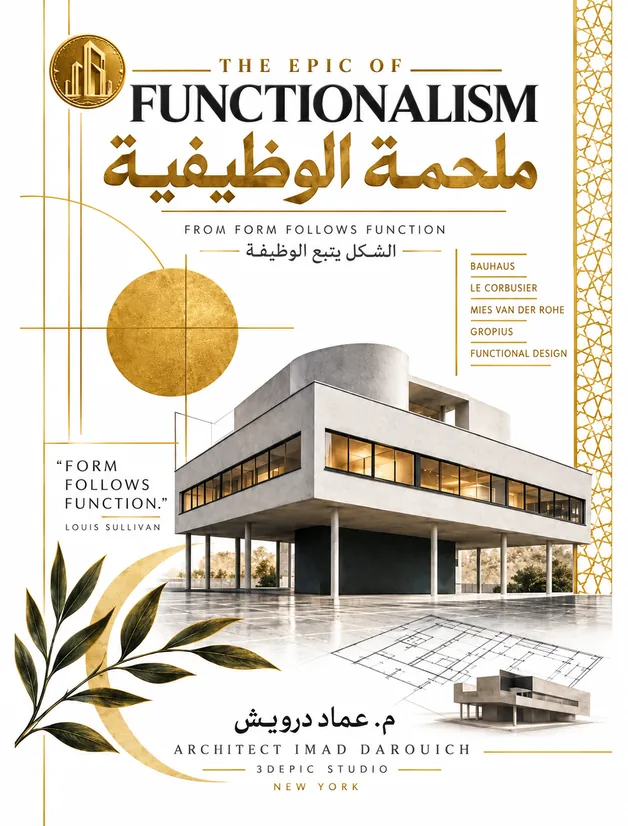
Functionalism in architecture is the principle that buildings should be designed from their purpose, a view the Chicago architect Louis Sullivan put into the phrase "form follows function" in 1896. Imad's text sets out five of its principles, from honest materials to homes for everyone, passes through Walter Gropius's Bauhaus building in Dessau, completed in 1926, and ends by asking what a strictly useful building leaves out: memory, symbol and wonder.
بعد أن رفعت العمارة الحديثة سؤالها الكبير،After modern architecture raised its great question,
ماذا يجب أن يفعل المبنى؟What must a building do?
وُلدت الوظيفيّة كإجابة صارمة.Functionalism emerged as a rigorous answer.
لم تسأل أولًا: هل المبنى جميل؟It did not first ask: Is the building beautiful?
بل سألت: لماذا هو موجود؟It asked: Why does it exist?
وماذا يقدّم للإنسان؟And what does it give to the human being?
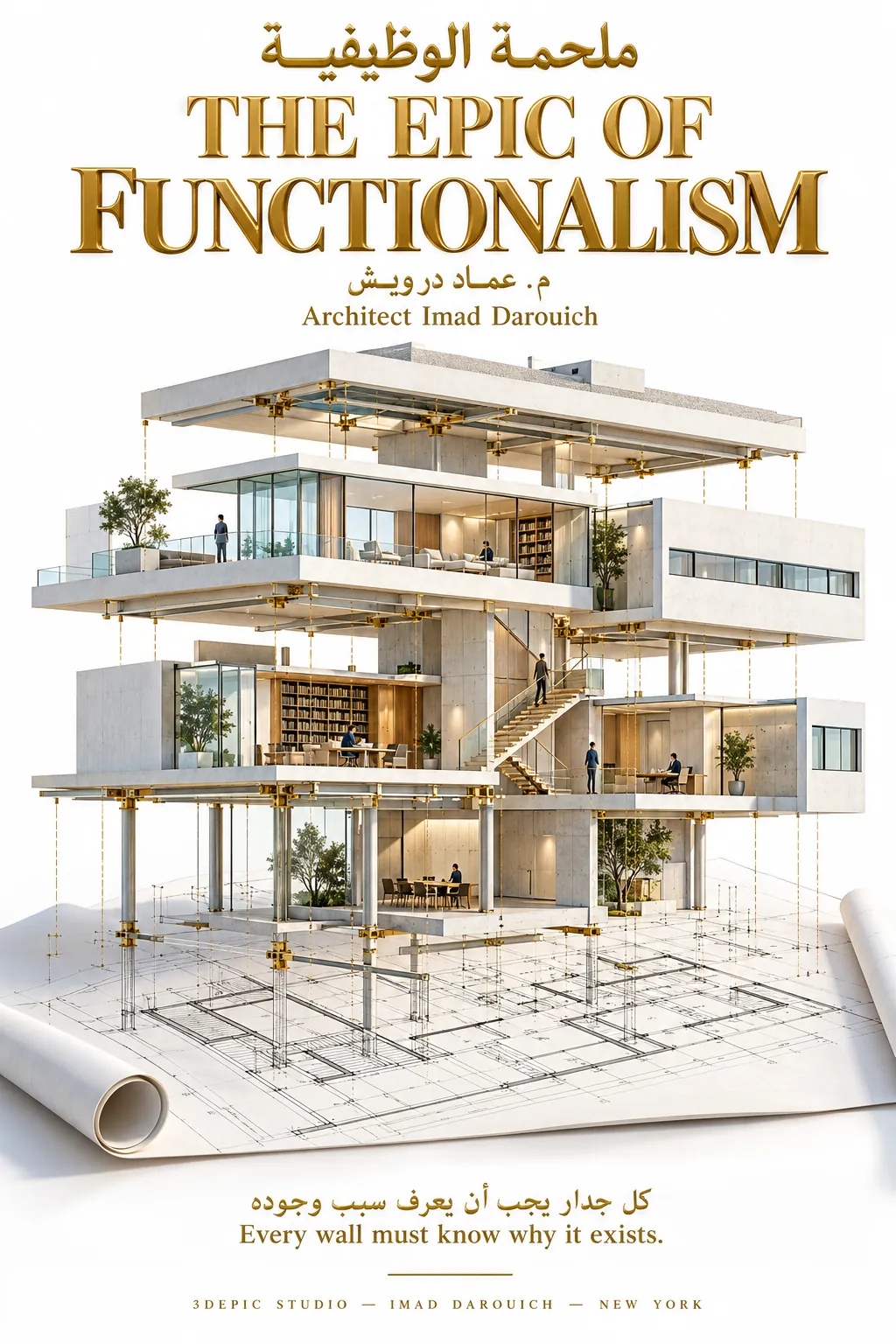
كل جدار يجب أن يعرف سبب وجوده.Every wall must know why it exists.
وكل نافذة يجب أن تعرف مهمتها.Every window must understand its purpose.
وكل خط يجب أن يستطيع الدفاع عن نفسه.Every line must be able to justify itself.
هنا لم تعد الوظيفة تفصيلًا في التصميم.Here, function was no longer a detail of design.
أصبحت فلسفةً كاملة.It became an entire philosophy.
فالجمال ليس ما نضيفه إلى الشيء.Beauty is not what we add to a thing.
بل ما يظهر عندما يعمل الشيء بصدق.It is what appears when a thing works honestly.
First Principle: Everything Has a Reason
المبدأ الأول: كل شيء له سبب
النافذة ليست ثقبًا مزخرفًا في الجدار.A window is not an ornamented opening in a wall.
إنها طريق الضوء إلى الداخل.It is the path of light into the interior.
وطريق الهواء إلى الإنسان.And the path of air toward the human being.
الباب ليس إطارًا للنقوش.A door is not a frame for decoration.
إنه لحظة عبور.It is a moment of passage.
بين الخارج والداخل.Between outside and inside.
بين الشارع والبيت.Between street and home.
والكرسي ليس عرشًا للتفاخر.A chair is not a throne for display.
إنه اتفاق بين الجسد والجاذبية.It is an agreement between the body and gravity.
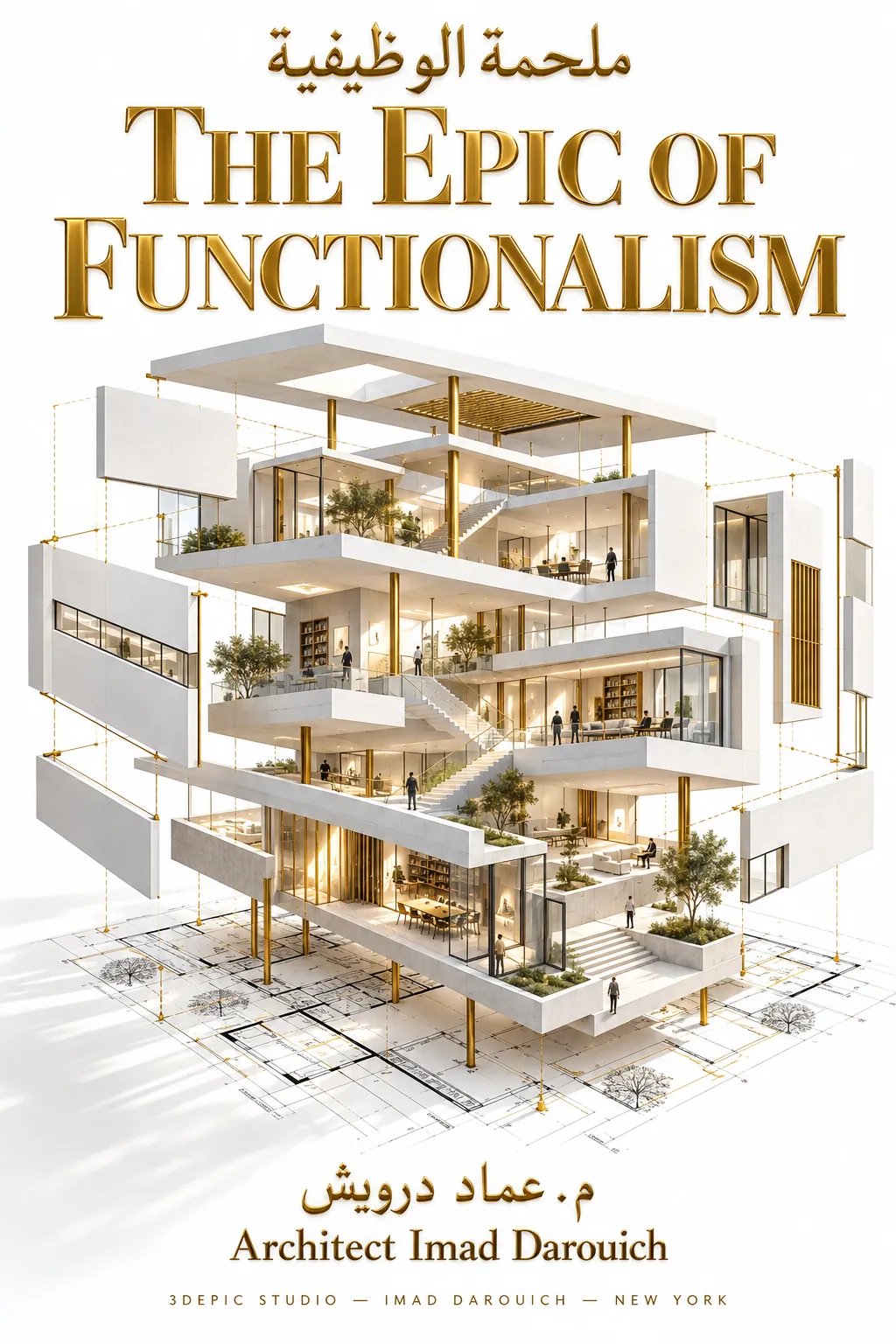
والدرج ليس منحوتةً فقط.A staircase is not merely a sculpture.
إنه حركة تحولت إلى عمارة.It is movement transformed into architecture.
في الوظيفيّة،In Functionalism,
لا يكفي أن يكون الخط جميلًا.It is not enough for a line to be beautiful.
يجب أن يعرف لماذا وُجد.It must know why it exists.
كل عنصر بلا ضرورة سؤال.Every unnecessary element is a question.
وكل عنصر يؤدي غايته جواب.Every element that fulfills its purpose is an answer.
Minimum Housing: When Space Became Social Justice
مساكن الحد الأدنى: حين أصبحت المساحة عدالة
في عشرينيات القرن العشرين،During the 1920s,
كانت أوروبا تعاني أزمة سكن هائلة.Europe faced an enormous housing crisis.
لم يكن السؤال كيف نبني القصور.The question was not how to build palaces.
بل كيف نسكن الملايين بكرامة.It was how to house millions with dignity.
ظهرت فكرة السكن للحد الأدنى.The idea of minimum dwelling emerged.
مساحات أصغر.Smaller spaces.
لكن أكثر ذكاءً.But more intelligent.
نوافذ أكبر.Larger windows.
تهوية أفضل.Better ventilation.
ضوء أكثر.More light.
وتكلفة أقل.Lower cost.
لم يكن «الحد الأدنى» يعني الفقر.“Minimum” did not have to mean poverty.
كان يعني حذف الهدر.It meant eliminating waste.
حين تكون المساحة قليلة،When space is limited,
يصبح كل سنتيمتر مسؤولية.Every centimeter becomes a responsibility.
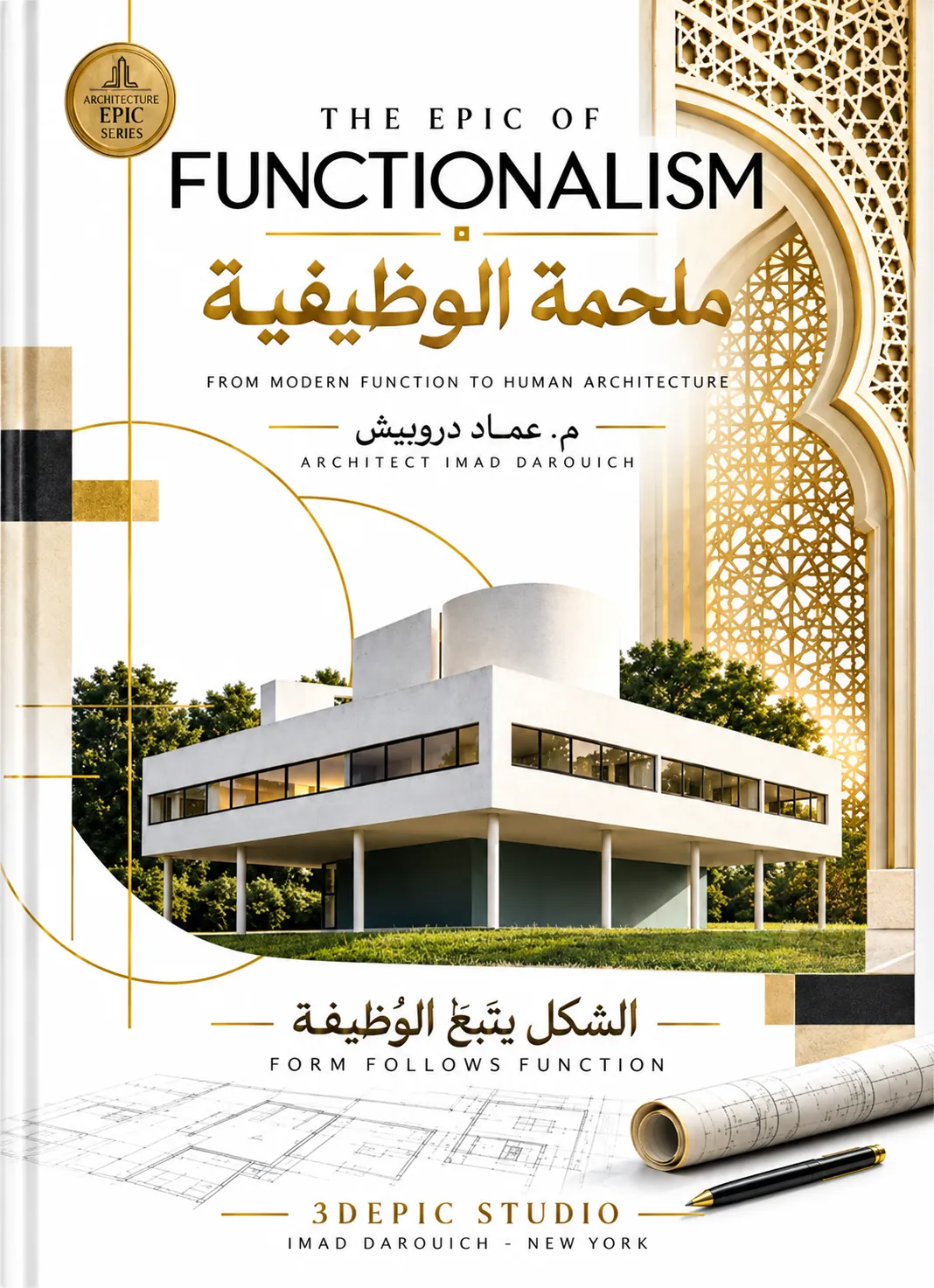
Second Principle: Simplicity Is Truer than Ornament
المبدأ الثاني: البساطة أصدق من الزخرفة
الخط المستقيم صدق.The straight line is honesty.
لأنه يذهب إلى غايته بلا التفاف.Because it moves toward its purpose without detour.
المربع عدل.The square is balance.
لأن أضلاعه تقف على قدم المساواة.Because its sides stand in equality.
الدائرة احتواء.The circle is embrace.
لأنها تجمع الداخل حول مركز واحد.Because it gathers the interior around a single center.
والمثلث اتجاه.The triangle is direction.
لأنه يحمل العين نحو نقطة.Because it carries the eye toward a point.
لكن الوظيفية لم تقل إن الهندسة جميلة لمجرد هندستها.But Functionalism did not claim geometry was beautiful merely because it was geometry.
بل لأن الوضوح يستطيع أن يصبح جمالًا.It argued that clarity itself can become beauty.
والنظام يستطيع أن يصبح شعرًا.And order itself can become poetry.
Bauhaus Dessau: When Logic Appeared on the Façade
الباوهاوس في ديساو: حين ظهر المنطق على الواجهة
في عام 1926،In 1926,
اكتمل مبنى الباوهاوس في ديساو.The Bauhaus building in Dessau was completed.
صممه والتر غروبيوس.It was designed by Walter Gropius.
لم يضع الوظائف المختلفة خلف قناع واحد.He did not conceal different functions behind a single mask.
المشاغل أعلنت نفسها بالزجاج.The workshops announced themselves through glass.
والصفوف أخذت نظامها الخاص.The classrooms followed their own organization.
والجسر ربط أجزاء المدرسة.The bridge connected the school’s different wings.
كأن المبنى يقول:It was as though the building declared:
انظر إليّ جيدًا،Look at me carefully,
وسأخبرك كيف أعمل.And I will tell you how I work.
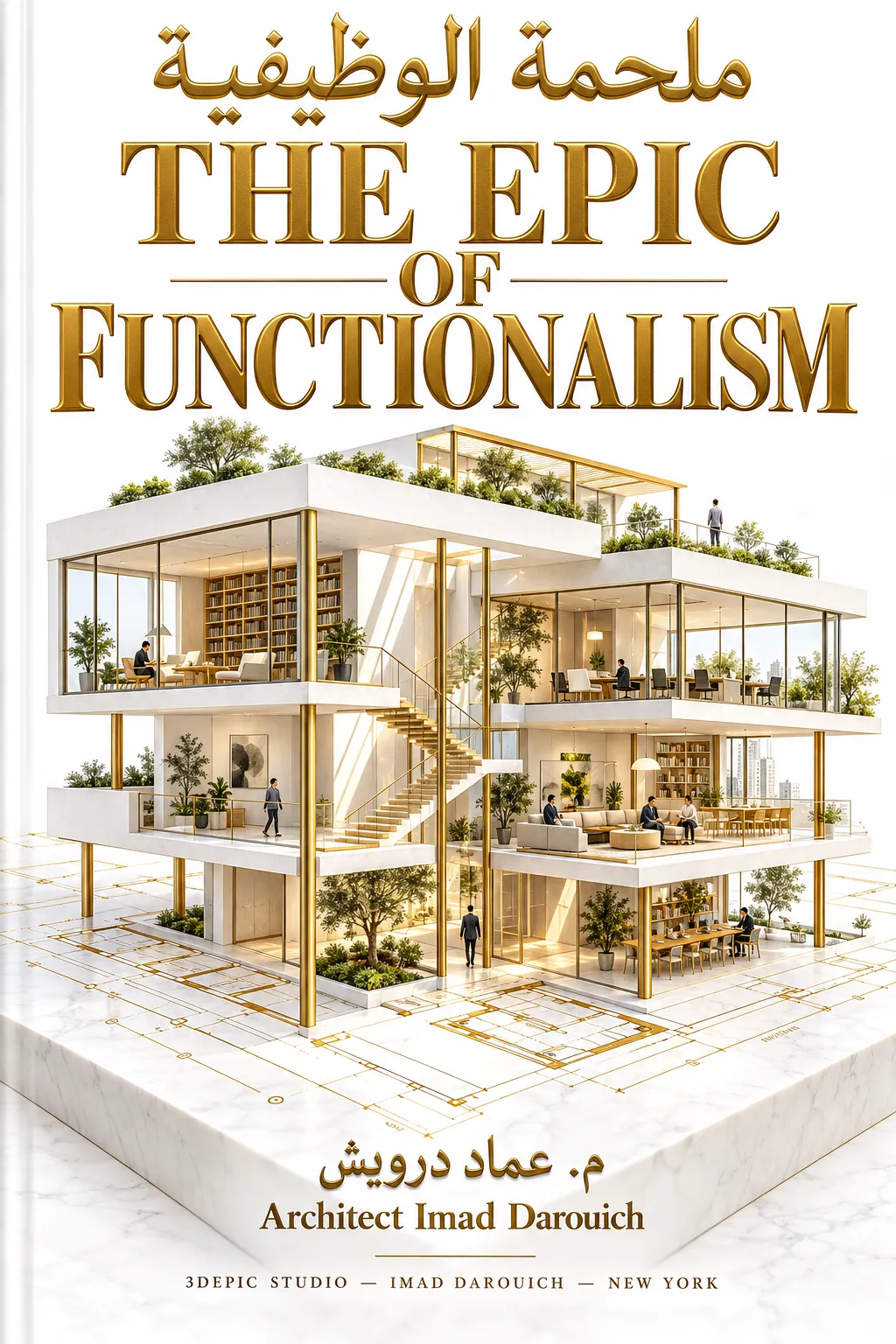
هنا لم تكن الوظيفة مختبئة خلف الواجهة.Here, function was not hidden behind the façade.
الوظيفة نفسها ساهمت في صنع الواجهة.Function itself helped shape the façade.
Third Principle: Building for Everyone
المبدأ الثالث: البناء للناس جميعًا
الوظيفيّة لم تكن مجرد هندسة.Functionalism was not merely geometry.
كان لها وجه اجتماعي قوي.It carried a powerful social dimension.
فالمدينة ليست معرضًا للأغنياء.The city is not an exhibition for the wealthy.
والعمارة ليست امتيازًا للنخبة.Architecture is not a privilege of the elite.
العامل يحتاج إلى الضوء.The worker needs light.
والطفل يحتاج إلى مدرسة صحية.The child needs a healthy school.
والمريض يحتاج إلى الشمس والهواء.The patient needs sunlight and fresh air.
والأسرة تحتاج إلى بيت يعمل معها.The family needs a home that works with its life.
وهنا تحوّل التصميم إلى مسؤولية.Here, design became a responsibility.
أن تصمّم للإنسان،To design for the human being,
يعني أن تحترم يومه قبل أن تزيّن جدارَه.Means respecting daily life before decorating its walls.
Fourth Principle: Honesty of Materials
المبدأ الرابع: صدق المواد
الفولاذ يظهر فولاذًا.Steel appears as steel.
والخرسانة تظهر خرسانةً.Concrete appears as concrete.
والزجاج لا يعتذر عن شفافيته.Glass does not apologize for its transparency.
لا حاجة لأن يرتدي الحديد ثوب الحجر.Steel need not dress itself as stone.
ولا أن تختبئ الخرسانة خلف قشرة كاذبة.Concrete need not hide behind a false skin.
لكل مادة شخصية.Every material has a character.
ولكل مادة ذاكرة.Every material has a memory.
ولكل مادة طريقة في حمل الضوء.Every material has its own way of carrying light.
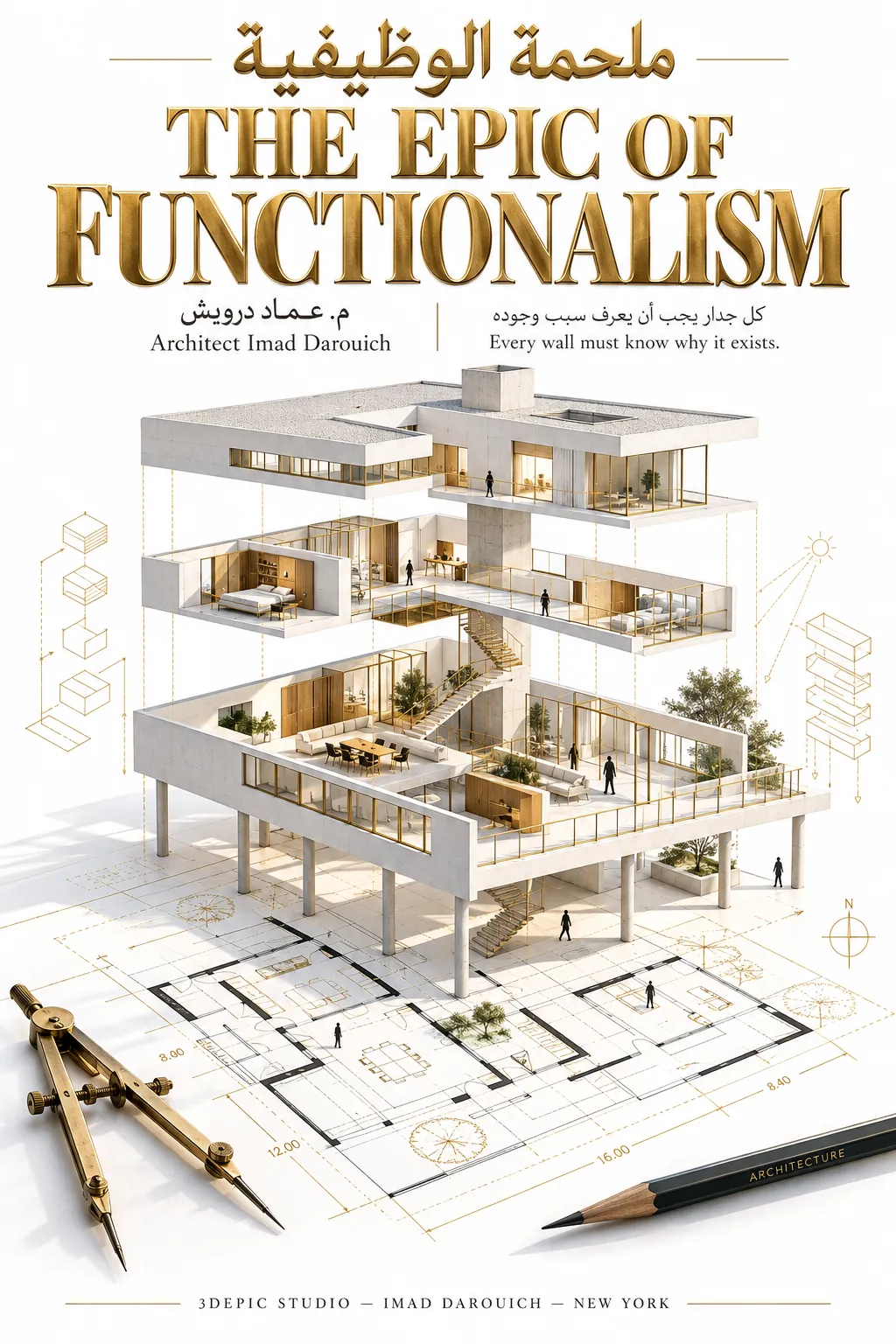
حين نحترم المادة،When we respect material,
لا نحتاج أن نكذب باسم الجمال.We do not need to lie in the name of beauty.
المادة الصادقة لا تحتاج قناعًا.An honest material needs no mask.
When Repetition Became Rhythm
حين أصبح التكرار إيقاعًا
في مشاريع الإسكان الحديثة،In modern housing projects,
تكررت النوافذ.Windows repeated.
وتكررت الشرفات.Balconies repeated.
وتكررت الوحدات السكنية.Dwelling units repeated.
قد يبدو التكرار لأول وهلة برودةً.At first glance, repetition may seem cold.
لكن خلفه كانت هناك فكرة.But behind it stood an idea.
إذا تكررت الحاجة،If the need repeats,
فلماذا لا يتكرر الحل؟Why should the solution not repeat?
وهكذا تحوّل التكرار إلى نظام.Thus repetition became order.
والنظام إلى إيقاع.Order became rhythm.
والإيقاع إلى واجهة.And rhythm became façade.
حتى التكرار يستطيع أن يغنّي،Even repetition can sing,
إذا عرف لماذا يتكرر.If it knows why it repeats.
Fifth Principle: Space Must Work
المبدأ الخامس: الفراغ يجب أن يعمل
الوظيفيّة لم تهتم بالجدار وحده.Functionalism was not concerned with walls alone.
اهتمت بما يحدث بين الجدران.It cared about what happens between them.
كيف يدخل الإنسان؟How does a person enter?
كيف يتحرك؟How does one move?
أين يجلس؟Where does one sit?
أين يصل الضوء؟Where does light arrive?
وأين يلتقي الناس؟Where do people meet?
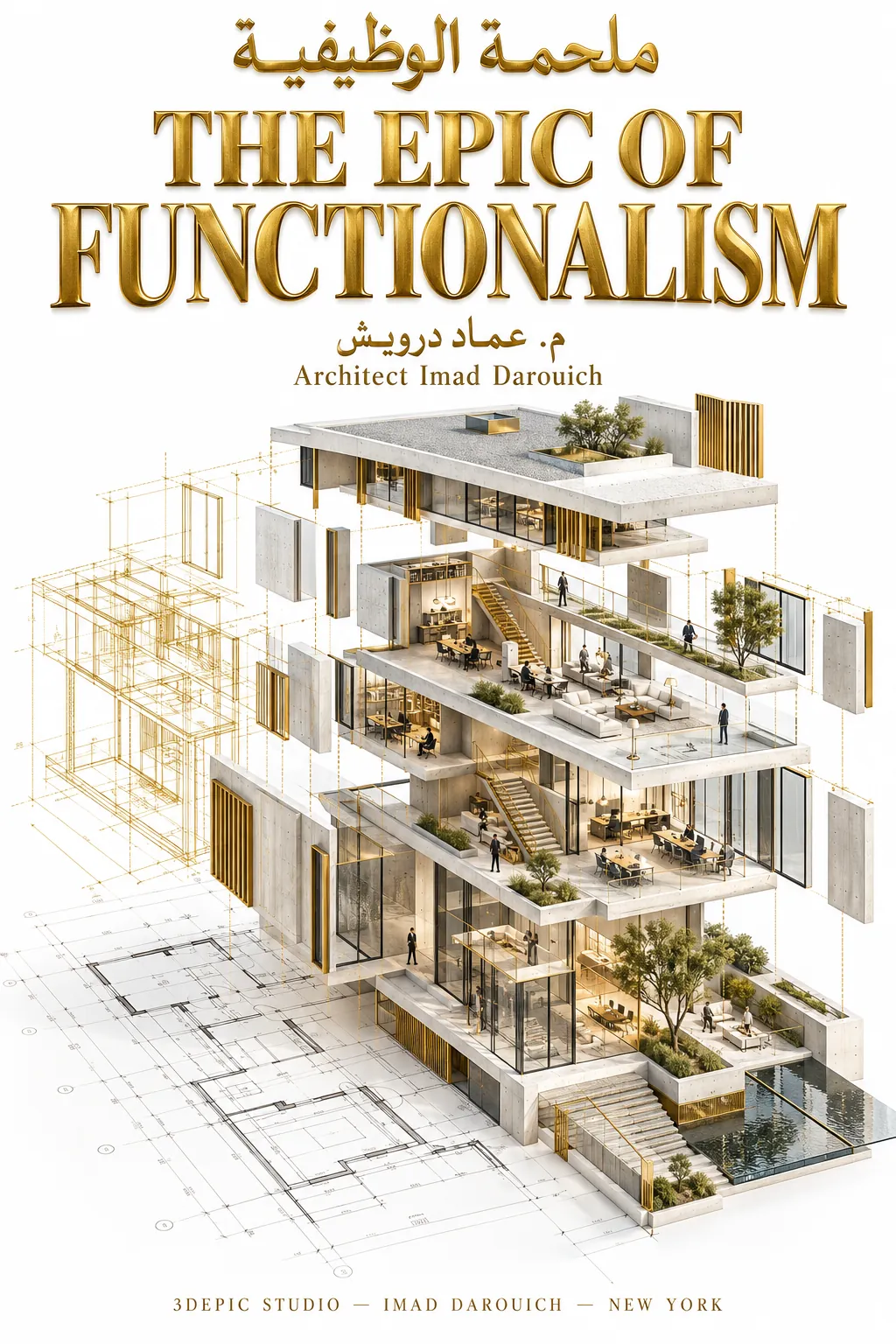
المخطط لم يعد رسمًا جميلًا على الورق.The plan was no longer merely a beautiful drawing on paper.
أصبح خريطةً للحياة اليومية.It became a map of everyday life.
الفراغ الناجح لا يطلب من الإنسان أن يفهمه.A successful space does not ask people to understand it.
بل يفهم الإنسان أولًا.It understands people first.
When Function Itself Became a Question
حين تحولت الوظيفة إلى سؤال
لكن الوظيفيّة واجهت مأزقها أيضًا.Yet Functionalism eventually faced its own dilemma.
هل كل ما هو نافع جميل؟Is everything useful necessarily beautiful?
هل يمكن قياس الإنسان بالوظيفة وحدها؟Can humanity be measured by function alone?
أين الذاكرة؟Where is memory?
أين الرمز؟Where is symbol?
أين الدهشة؟Where is wonder?
وأين ذلك الشيء الذي لا نحتاجه،And where is that thing we may not need,
لكننا نحبه؟Yet still love?
فالإنسان لا يسكن بالمتر المربع وحده.Human beings do not live by square meters alone.
يسكن بالذكريات أيضًا.They also inhabit memories.
وبالرائحة.Scent.
وباللون.Color.
وبالصوت.Sound.
وبذلك الركن الصغير الذي لا وظيفة واضحة له،And that small corner with no obvious function,
لكنه يصبح أحب مكان في البيت.Yet somehow becomes the most beloved place in the home.
وهنا ظهرت حدود الصرامة الوظيفية.Here, the limits of strict Functionalism became visible.
فالوظيفة تستطيع أن تنظّم الحياة،Function can organize life,
لكنها لا تستطيع وحدها أن تفسّر الإنسان.But it cannot, by itself, explain humanity.
Conclusion
الخاتمة
وهكذا كانت الوظيفيّة.Such was Functionalism.
ليست حربًا على الجمال.Not a war against beauty.
بل حربًا على الجمال بلا سبب.But a war against beauty without purpose.
ليست دعوة إلى البرودة.Not necessarily a call for coldness.
بل دعوة إلى الوضوح.But a call for clarity.
قالت للنافذة: أدخلي الضوء.It told the window: Bring in the light.
وقالت للباب: سهّل العبور.It told the door: Make passage possible.
وقالت للكرسي: احمل الجسد.It told the chair: Support the body.
وقالت للجدار: اعرف لماذا تقف.It told the wall: Know why you stand.
وقالت للمعماري:And it told the architect:
لا ترسم خطًا لا تستطيع الدفاع عنه.Do not draw a line you cannot defend.
واليوم،Today,
ما زالت الوظيفيّة تعيش حولنا.Functionalism still lives around us.
في المدرسة التي يدخلها الضوء.In the school filled with daylight.
وفي المستشفى الذي يسهل التنقل فيه.In the hospital designed for clear movement.
وفي البيت الذي يفهم حياة ساكنيه.In the home that understands the lives of its inhabitants.
وفي كل مبنى لا يصرخ كي نراه.And in every building that does not need to shout to be seen.
لأن أعظم درس تركته الوظيفيّة بسيط:Because Functionalism left us one enduring lesson:
لا تجعل الإنسان يخدم المبنى.Never make the human being serve the building.
اجعل المبنى يخدم الإنسان.Make the building serve the human being.
Walter Gropius, who designed the Dessau building, has a book of his own, Walter Gropius: When Architecture Became a School for Life, and the wider movement is told in The Epic of Modernism. The Bauhaus manifesto has its own poem, The Light of the Bauhaus Manifesto.
Written by
Architect Imad Darouich
المهندس المعماري عماد درويش
Architect, author and founder of 3DEPICS, based in New York. He writes epic literature that crosses borders, languages and geographies, where philosophy meets architecture, spirituality meets history and memory meets imagination.