The House You Can Never Leave: A Poem About Childhood Home
البيت الذي لا يمكنك مغادرته: عمارة القدر المغلق
Subtitled Architecture of an Inescapable Fate, the poem walks through the plan, facade and dome of a house you carry inside you.
By Architect Imad Darouich3 min read
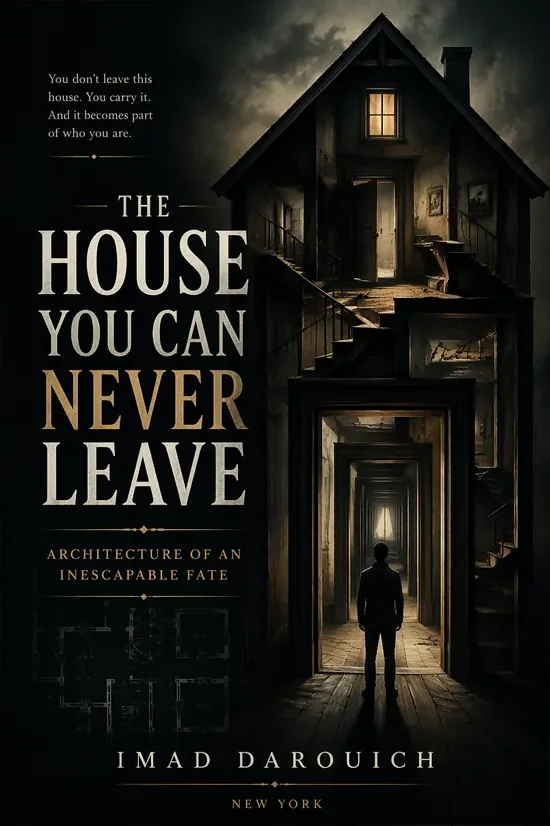
Imad gives this poem about childhood home the subtitle Architecture of an Inescapable Fate and builds it like a house, with sections named for the plan, the facade, the inner void, the dome and the climax. It follows the first home as it returns in later fears, decisions and relationships, and it names the Swiss psychiatrist Carl Jung and his work on the unconscious.
المقدّمة
هذا ليس بيتاً يمكنك أن تتركه خلفك ببساطة كما تفعل مع الأمكنة الأخرى عندما تغادرها وتغلق البابThis is not a house you can simply leave behind like other places when you walk out and close the door
هذا بناءٌ يخرج معك، يلتصق بك، ويتحوّل إلى جزءٍ من وعيك حتى وأنت بعيد عنهThis is a structure that leaves with you, clings to you, and becomes part of your awareness even when you are far away
البيت هنا ليس مكاناًThe house here is not a place
بل مصيرBut a fate
المخطط: حين كان البيت بداية
في البداية، كان البيت مجرد نقطة انطلاق، مكان تبدأ منه حياتك، وتخرج منه إلى العالمIn the beginning, the house was just a starting point, a place you begin from and step out into the world
كان يحمل ذكرياتIt held memories
تفاصيلDetails
أصواتVoices
لكنه لم يكن سجناًBut it was not a prison
الواجهة: حين تغادر
تكبرYou grow
تغادرYou leave
تبتعدYou move away
تعيش حياتكYou live your life
تعتقد أنك خرجتYou believe you have left
أنك أصبحت خارج تأثيرهThat you are beyond its influence
لكن هذا الشعورBut that feeling
ليس حقيقياً بالكاملIs not entirely real
الفراغ الداخلي: حين يعود البيت
في الداخل، يبدأ شيء بالظهورInside, something begins to surface
في قراراتكIn your decisions
في خوفكIn your fears
في علاقاتكIn your relationships
تجد نفسك تعيدYou find yourself repeating
ما عشتهWhat you lived
كما لو أن البيتAs if the house
لم يترككNever left you
القبة: حين يصبح البيت نظاماً داخلياً
في أعلى هذه العمارةAt the top of this structure
لا يعود البيت جدراناًThe house is no longer walls
بل يتحول إلى نظامIt becomes a system
تفكيرThinking
شعورFeeling
ردود فعلReactions
كلها تحمل نفس النمطAll carrying the same pattern
كما أشار كارل يونغ إلى اللاوعيAs Carl Jung referred to the unconscious
لكن هنا… اللاوعي ليس خفياًBut here… the unconscious is not hidden
بل حاضر دائماًBut always present
At this stage
حين يتحول العالم إلى نفس البيت في هذه المرحلة
تبدأ برؤية نفس الأنماطYou begin to see the same patterns
في أماكن مختلفةIn different places
في أشخاص مختلفينIn different people
لكن النتيجة واحدةBut the result is the same
كأنك خرجتAs if you left
لكن لم تغادرBut never escaped
كل الطرقAll paths
تعيدكBring you back
الذروة: حين تدرك أنك لم تخرج
في لحظة ماAt some point
تفهم الحقيقةYou understand the truth
أنك لم تغادر البيتThat you never left the house
أنت فقطYou only
نقلت حدوده معكCarried its boundaries with you
البيت أصبح داخلكThe house became inside you
وأنتAnd you
أصبحت جزءاً منهBecame part of it
ليس أقسى من مكانٍ لا يمكنك مغادرتهNothing is harsher than a place you cannot leave
إلا أن تدركExcept realizing
أنه لم يكن مكاناًThat it was never a place
الحقيقة الأخيرة
أن بعض البيوتIs that some homes
لا تُغلق أبوابهاDo not close their doors
لأنها لم تكن تملك أبواباً أصلاًBecause they never had doors to begin with
وأنك…
حين تحاول الهروبWhen you try to escape
تكتشفYou discover
أنك تحمل المفاتيحThat you carry the keys
لكن لا يوجد قفلBut there is no lock
A childhood house, lost and then rebuilt in memory and writing, is the subject of The Houses of Ghouta: An Epic of Home, Memory, Uprooting, and Return, and an exiled architect faces his childhood house in a dream in Damascus Sketch: An Epic of a City Trying to Remember Itself; more is in the ideas and philosophy collection.
Written by
Architect Imad Darouich
المهندس المعماري عماد درويش
Architect, author and founder of 3DEPICS, based in New York. He writes epic literature that crosses borders, languages and geographies, where philosophy meets architecture, spirituality meets history and memory meets imagination.