When the Blade Is Lifted from the Heart: An Eid al-Adha Poem
حينَ يُرفَعُ السِّكِّينُ عن القلب
An Eid al-Adha reflection that reads Abraham's story as a life spared, and turns the sacrifice toward mercy, fair wages and dignity.
By Architect Imad Darouich4 min read
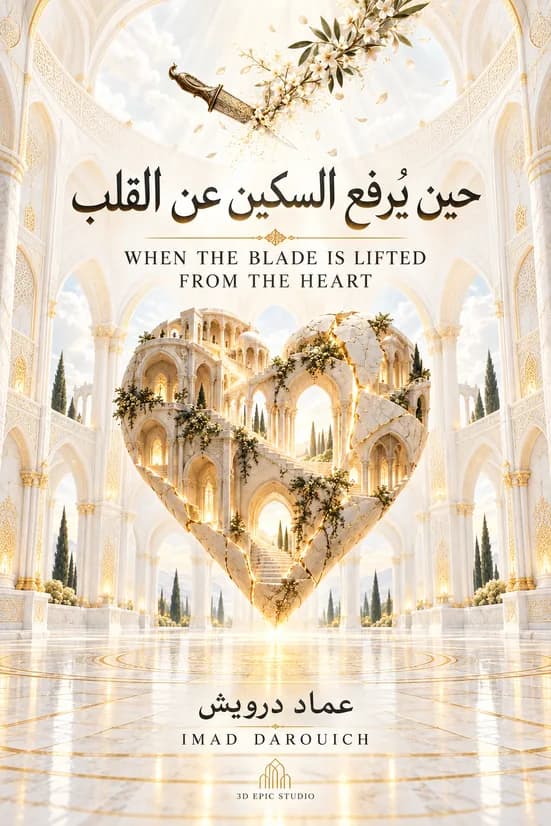
Eid al-Adha, the Feast of the Sacrifice, falls on the 10th of Dhu al-Hijjah and recalls Abraham's willingness to sacrifice his son, who was spared when a ram was given in his place. Imad Darouich's Eid al-Adha poem, in Arabic and English, dwells on the son who lived and on Qur'an 22:37, and asks that the feast reach the worker, the poor and anyone in our power.
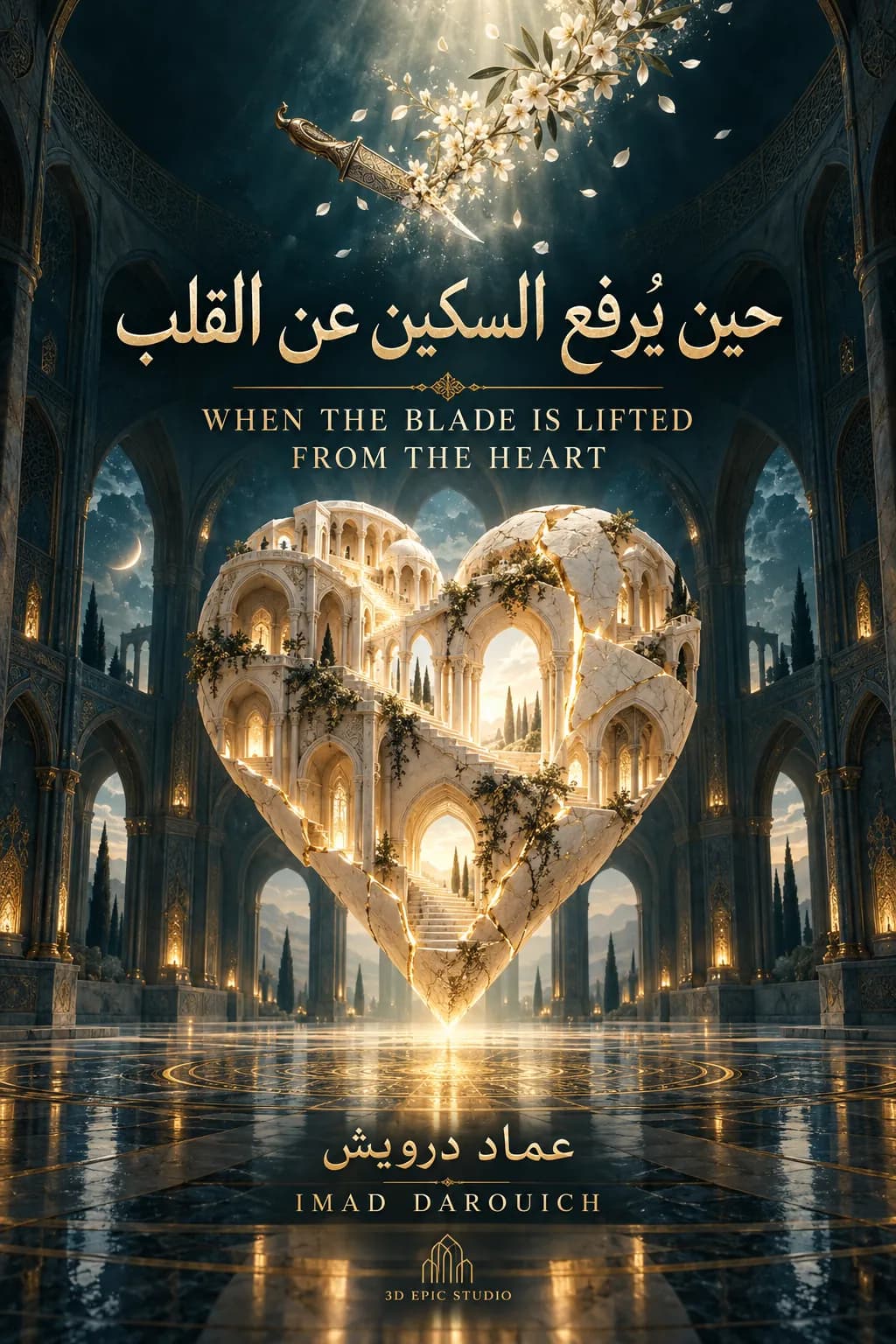
لا أريدُ أن أهدمَ محرابَ أحد.I do not seek to tear down anyone’s sanctuary.
أريدُ أن أفتحَ فيه نافذةً، ليدخلَ الإنسان.I want to open a window in it, and let humanity enter.
فما أضيقَ المعبدَ حين يتّسعُ للسماء،How narrow a temple becomes when it holds the heavens,
ولا يتّسعُ لجائعٍ على بابه.Yet has no room for someone hungry at its door.
أتخيّلُ الخوفَ مهندسًا قديمًا.I imagine fear as an ancient architect.
يرفعُ جدارًا بين الإنسان والمجهول،Raising a wall between humanity and the unknown,
ثم يبيعُ الإنسانَ بابًا في الجدار.Then selling people a door through that wall.
وكلّما ارتجفتِ الأرض،Whenever the earth trembled,
بحثَ المذعورُ عمّا يقدّمه،The terrified searched for something to surrender,
قبلَ أن يسألَ عمّا ينبغي أن يفهمه.Before asking what they needed to understand.
هكذا يستطيعُ الخوفُ أن يرتديَ ثيابَ القداسة.That is how fear can dress itself in sacred robes.
وهكذا يستطيعُ الإنسانُ أن يركعَ لوهمه،That is how a person can kneel before an illusion,
وهو يظنُّ أنه ارتفع.Believing they have risen.
لكنني، حين أقرأُ حكايةَ إبراهيم،But when I read the story of Abraham,
تقفُ أمامي حياةٌ لم تُطفَأ.I see a life that was not extinguished.
أرى يدًا توقّفت.I see a hand brought to a halt.
وابنًا بقيَ له غد.And a son who still had a tomorrow.
وأسمعُ في الفداءِ فسحةً للحياة،And in redemption, I hear room opening for life,
فلا أحوّلُ الحكايةَ إلى نشيدٍ للسكين.So I will not turn the story into a hymn to the blade.
وأقرأُ في القرآن:And I read in the Qur’an:
﴿لَن يَنَالَ اللَّهَ لُحُومُهَا وَلَا دِمَاؤُهَا وَلَٰكِن يَنَالُهُ التَّقْوَىٰ مِنكُمْ﴾“Neither their meat nor their blood reaches Allah, but your piety reaches Him.” (Al-Hajj 22:37)
فلماذا أراقبُ حدَّ السكين،Then why do I examine the edge of the knife,
وأتركُ حدَّ قسوتي بلا سؤال؟And leave the sharpness of my cruelty unquestioned?
لماذا أُحسنُ تقسيمَ اللحم،Why am I careful in dividing the meat,
وأُسيءُ تقسيمَ الحقوق؟And careless in distributing what people are owed?
ما قيمةُ حصّةٍ أعطيها لفقير،What is the worth of a portion I give someone poor,
إن كنتُ قد أكلتُ أجرَه طوالَ العام؟If I have swallowed their wages all year?
وأيُّ عيدٍ هذا،And what kind of celebration is this,
إذا شبعَ الضيفُ وخافَ العامل؟If the guest is fed and the worker is afraid?
أنا لا أزنُ إيمانَ الناسِ بأطباقهم.I do not weigh people’s faith by what is on their plates.
ولا أمنحُ الرحمةَ لمن تركَ اللحمَ تلقائيًا.Nor do I automatically grant compassion to those who give up meat.
فقد تأكلُ خبزًا،You may eat bread,
وتطحنُ إنسانًا بكلمة.And grind another person down with a word.
وقد توزّعُ أضحيةً،You may share a sacrificial offering,
وتصونُ معها كرامةَ من يأخذها.And preserve the dignity of the person receiving it.
الرحمةُ تُختبَرُ حيثُ تستطيعُ أن تؤذي،Compassion is tested where you have the power to hurt,
فتكفُّ يدَك.And choose to stay your hand.
حيثُ تستطيعُ أن تُذلّ،Where you have the power to humiliate,
فتَسترُ ضعفَ الآخر.And choose to shelter another’s vulnerability.
يا ربّ،O Lord,
ها أنا أحملُ إليكَ ما أثقلَ روحي:Here I bring You what has burdened my soul:
كبرياءً جعلَ الاعتذارَ هزيمة،Pride that made apology feel like defeat,
وغضبًا ألبستُه ثوبَ الحق،Anger I dressed in the robes of righteousness,
وحقدًا سمّيتُه ذاكرة،Resentment I called memory,
وخوفًا علّمتُه أن يتكلّمَ باسمك.And fear I taught to speak in Your name.
أعِنّي أن أتخلّى عنها.Help me relinquish them.
فقد تعبتُ من ترميمِ واجهتي،I am weary of restoring my façade,
والشروخُ تأكلُ أساساتي.While cracks consume my foundations.
أريدُ عيدًا يصلُ إلى البيتِ الذي أخطأتْه الدعوات.I want a celebration that reaches the home every invitation missed.
إلى أمٍّ تحسبُ ثمنَ الدواء.To a mother counting the cost of medicine.
إلى عاملٍ ينتظرُ أجرَه.To a worker waiting for his wages.
إلى طفلٍ تعلّمَ أن يخفضَ عينيه أمامَ ما يشتهي.To a child who has learned to lower his eyes before what he longs for.
أريدُ أن أعطي،I want to give,
من دون أن أجعلَ حاجةَ الآخرِ مسرحًا لصورتي.Without turning another person’s need into a stage for my image.
وأن أخرجَ من العبادة،And to emerge from worship,
أقلَّ استعدادًا لجرحِ أحد.Less willing to wound anyone.
فإن كانَ للعيدِ أن يغيّرَ شيئًا فيَّ،If this celebration is to change anything in me,
فليغيّرِ اليدَ حين تغضب،Let it change my hand when I am angry,
واللسانَ حين يقدر،My tongue when it has power,
والقلبَ حين يُخيَّرُ بين الانتقامِ والعفو.And my heart when it must choose between revenge and forgiveness.
لن أسألَ نفسي فقط: ماذا قدّمتُ؟I will not ask myself only: What did I offer?
سأسألُها: مَن أمِنَ قسوتي؟I will ask: Who was safe from my cruelty?
مَن عادَ بحقّه؟Who received what they were owed?
ومَن خرجَ من عندي،And who left my presence,
وهو يشعرُ أنّ كرامتَه ما زالت كاملة؟Feeling that their dignity was still intact?
هناكَ يبدأُ العيدُ الذي أنتظرُه.That is where the celebration I await begins.
حينَ تنتهي الشعيرة،When the ritual ends,
وتبدأُ مسؤوليةُ الرحمة.And the responsibility of compassion begins.
The Epic of Artistic Imagery in the Qur'an reads the story of Abraham among others, and The Epic of the First Ten Days of Dhul Hijjah covers the days that lead to the feast. More is in the faith and spirit collection.
Written by
Architect Imad Darouich
المهندس المعماري عماد درويش
Architect, author and founder of 3DEPICS, based in New York. He writes epic literature that crosses borders, languages and geographies, where philosophy meets architecture, spirituality meets history and memory meets imagination.