The Epic of the Runway That Dressed Madrid: Carolina Herrera in Plaza Mayor
ملحمة الممرّ الذي ارتدى مدريد
A 450-metre runway crosses Madrid's Plaza Mayor, and an architect watches each dress as a small building inhabited by a woman.
By Architect Imad Darouich7 min read
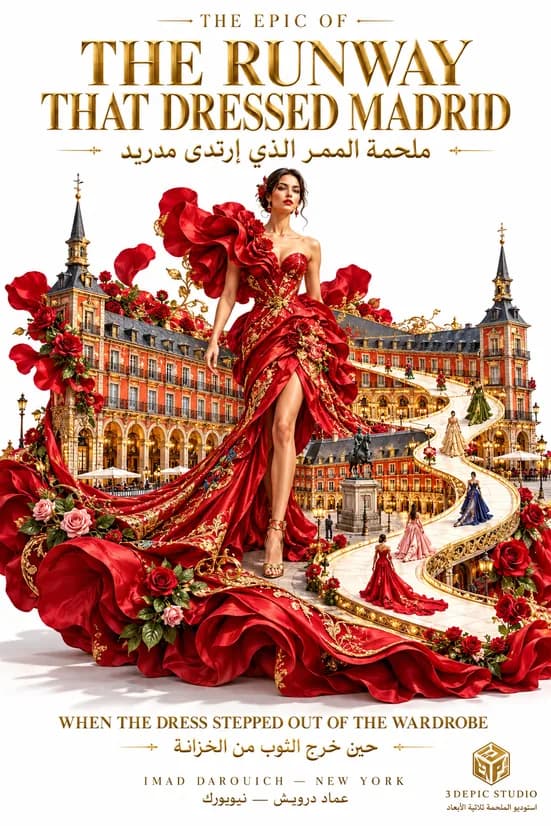
Carolina Herrera showed its Spring 2026 collection in September 2025 on a runway about 450 metres long in Plaza Mayor, the seventeenth-century square at the heart of Madrid, where creative director Wes Gordon drew on the city's Golden Age and the 1980s movement La Movida. Imad reads the Carolina Herrera Plaza Mayor show as architecture, with the corset as a wall and the skirt as a moving dome.
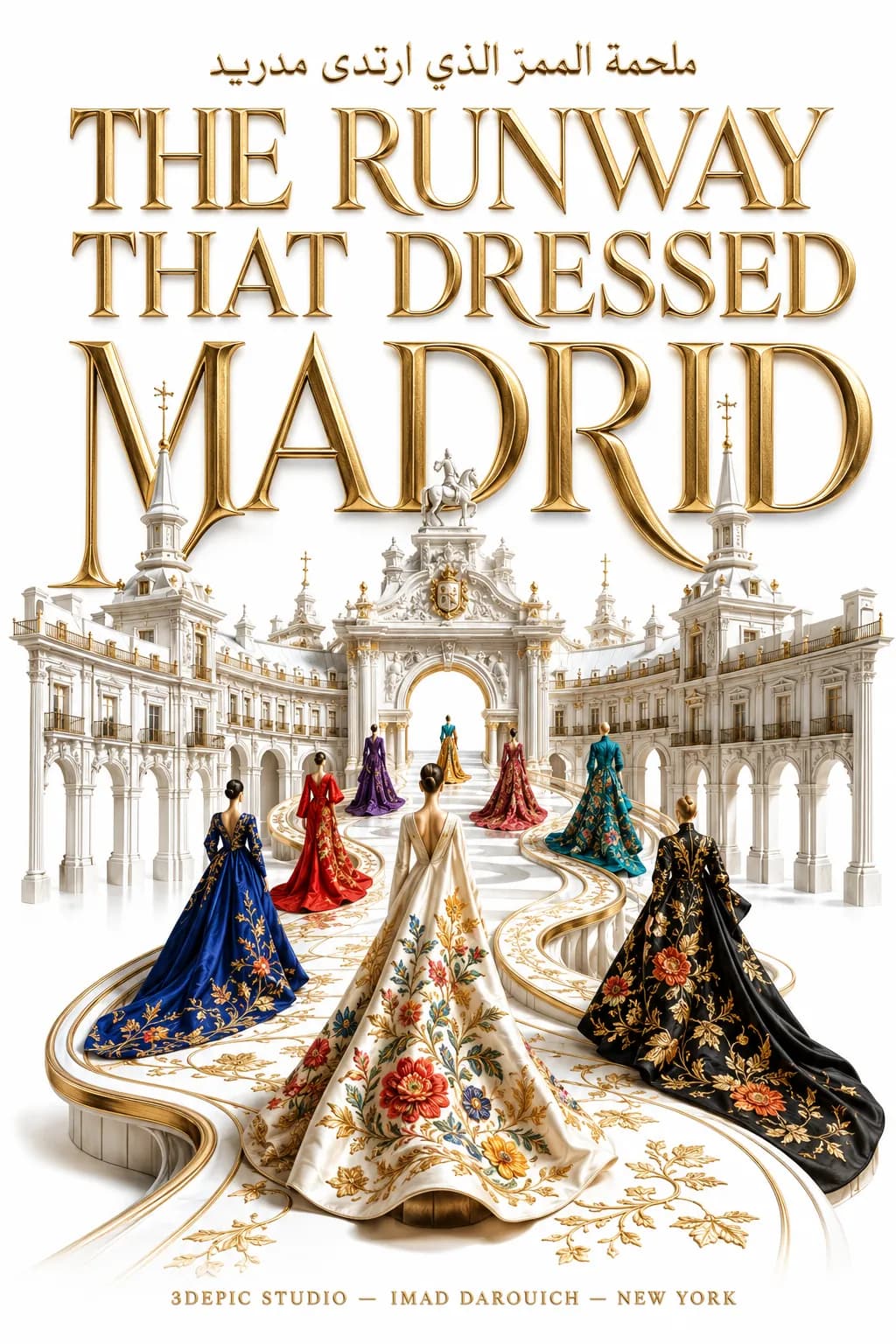
البداية: حين خرج الثوب من الخزانة
لم تكن تلك ليلةَ أزياءٍ عابرة، بل كانت ليلةً خرجت فيها مدريد من كتب التاريخ، ووقفت على الممرّ بثوبٍ جديد.It was not an ordinary fashion night, but a night when Madrid stepped out of history’s books and appeared upon the runway in a new dress.
في ساحة «بلازا مايور» العتيقة، حيث مرّت المواكب والملوك والجنود والعشّاق، امتدّ ممرّ بطول أربعمئة وخمسين مترًا، كأنه شارعٌ يصل الماضي بالمستقبل.In the ancient Plaza Mayor, where processions, kings, soldiers, and lovers once passed, a 450-meter runway stretched like a street connecting the past to the future.
جاءت مجموعة كارولينا هيريرا لربيع 2026، فلم تعرض أثوابًا فقط، بل أعادت خياطة روح إسبانيا بخيوط الذهب والورد والتمرد.Carolina Herrera’s Spring 2026 collection arrived not merely to present garments, but to resew the soul of Spain with threads of gold, flowers, and rebellion.
كان كلُّ ثوبٍ جسدًا يحمل ذاكرة، وكلُّ عارضةٍ تمشي كأنها فصلٌ من رواية لم تُكتب بالحبر، بل بالقماش.Every dress was a body carrying memory, and every model walked like a chapter from a novel written not in ink, but in fabric.
الفصل الأول: الساحة التي تحوّلت إلى مسرح
لم تعد بلازا مايور ساحةً من الحجر؛ صارت قلبًا هائلًا تنبض فوقه خطوات الجمال.Plaza Mayor was no longer merely a stone square; it became a vast heart upon which the footsteps of beauty pulsed.
النوافذ القديمة راقبت العرض كعيون الأجداد، والأقواس التاريخية بدت كأنها تحرس ولادة زمنٍ جديد.The old windows watched the show like ancestral eyes, while the historic arches seemed to guard the birth of a new age.
امتدّ الممرّ طويلًا، لا ليقيس المسافة بين أول الساحة وآخرها، بل ليقيس المسافة بين ما كنّاه وما نحلم أن نصبحه.The runway stretched far, not to measure the distance across the square, but the distance between what we once were and what we dream of becoming.
الفصل الثاني: الثوب بوصفه عمارة
الثوب عمارةٌ صغيرة تسكنها امرأة، له واجهةٌ وهيكلٌ وظلالٌ وفراغات.A dress is a small work of architecture inhabited by a woman; it has a façade, a structure, shadows, and spaces.
الكورسيه جدارٌ يشدّ التكوين، والتنورة قبّةٌ تتحرّك، والأكمام شرفاتٌ يطلّ منها الجسد على العالم.The corset is a wall that holds the composition, the skirt a moving dome, and the sleeves balconies from which the body overlooks the world.
وحين ينجح المصمّم، لا يفرض البناء على المرأة، بل يجعل القماش يتعلّم هندسة حركتها.When the designer succeeds, architecture is not imposed upon the woman; rather, the fabric learns the geometry of her movement.
الفصل الثالث: بين العصر الذهبي وحركة مدريد
استدعى العرض فخامة العصر الذهبي الإسباني، لكنه لم يضعها في متحفٍ مغلق.The show summoned the grandeur of Spain’s Golden Age, yet refused to imprison it inside a museum.
مزجها بطاقة «لا موفيدا» المتمرّدة التي انفجرت في مدريد خلال ثمانينيات القرن العشرين، حين أراد الفن أن يتنفس بعد زمنٍ طويل من الصمت.It blended that grandeur with the rebellious energy of La Movida, which erupted in 1980s Madrid when art longed to breathe after an age of silence.
وهكذا التقت النبالة بالجرأة، والتقاليد بالحرية، والذاكرة بالإيقاع الصاخب للمدينة الحديثة.Thus nobility met audacity, tradition met freedom, and memory met the vibrant rhythm of the modern city.
الفصل الرابع: الأسود الذي لم يكن حزنًا
افتُتح المشهد بالتفتا السوداء الواسعة، فبدا الأسود لونًا للهيبة لا للحِداد.The scene opened with sweeping black taffeta, and black appeared as the color of majesty rather than mourning.
كان القماش يتحرّك مثل جناح غرابٍ أرستقراطي، يخفي في عتمته لمعانًا لا يظهر إلا حين يلامسه الضوء.The fabric moved like the wing of an aristocratic raven, concealing within its darkness a radiance revealed only when touched by light.
فالأسود في الأزياء ليس غياب اللون، بل المساحة التي تستعدّ فيها الألوان لتولد.In fashion, black is not the absence of color, but the space in which colors prepare to be born.
الفصل الخامس: الأزرق الذي حمل السماء
ثم ظهر الأزرق، واسعًا ومتمرّدًا، كأن قطعةً من سماء مدريد هبطت لتصبح ثوبًا.Then blue appeared, expansive and rebellious, as though a fragment of Madrid’s sky had descended to become a dress.
لم يكن الأزرق هادئًا؛ كان عميقًا، يحمل هيبة البحر وحدّة الليل وقوة المرأة التي لا تعتذر عن حضورها.The blue was not quiet; it was deep, carrying the majesty of the sea, the sharpness of night, and the strength of a woman who does not apologize for her presence.
تحرّكت التنورة حول الجسد كدوّامة، وكأن الثوب لا يتبع الخطوات، بل يصنع الطريق أمامها.The skirt swirled around the body like a vortex, as though the dress did not follow the footsteps but created the path before them.
الفصل السادس: الورود التي رفضت أن تذبل
انتشرت الورود والقرنفل والبنفسج فوق الأقمشة، لا كزينةٍ صامتة، بل ككائناتٍ تستعيد حقّها في الكلام.Roses, carnations, and violets spread across the fabrics, not as silent ornaments, but as living beings reclaiming their right to speak.
كانت الزهرة المطرّزة تقول إن الجمال يمكن أن يعيش أطول من عمر الحديقة.Each embroidered flower declared that beauty could live longer than the garden itself.
فالزهرة الطبيعية تذبل، أمّا الزهرة التي يصنعها الخيال فتظلّ متفتحةً في ذاكرة من رآها.A natural flower fades, but the flower created by imagination remains forever in the memory of those who saw it.
الفصل السابع: الذهب الذي تعلّم التواضع
ظهر الذهب في التطريز والتفاصيل، لكنه لم يصرخ بثروته؛ كان ضوءًا يعرف أين يستقر.Gold appeared in embroidery and detail, yet it did not shout its wealth; it was a light that knew where to rest.
كان يلمع عند الحواف مثل شمسٍ صغيرة، ويمنح القماش وقار الأيقونات القديمة.It gleamed along the edges like a small sun, lending the fabric the dignity of ancient icons.
فالذهب الحقيقي في الفن ليس ما يجعل العمل غاليًا، بل ما يجعل العين تتوقف والقلب يتذكّر.True gold in art is not what makes a work expensive, but what makes the eye pause and the heart remember.
الفصل الثامن: المرأة ليست علاقةً للثوب
لم تكن المرأة في هذا العرض علاقةً يُعلّق عليها الثوب، بل كانت القوة التي تمنحه المعنى.The woman in this show was not a hanger upon which a dress was placed; she was the force that gave it meaning.
كل خطوة أعادت تشكيل القماش، وكل التفاتة غيّرت هندسة الظلال، وكل نظرة أعلنت استقلال صاحبتها.Every step reshaped the fabric, every turn transformed the geometry of shadows, and every gaze declared its wearer’s independence.
الثوب بلا إنسان مادّة، لكنه حين يلامس الجسد يصبح موقفًا وحكايةً وهوية.Without a human presence, a dress is merely material; when it touches the body, it becomes a statement, a story, and an identity.
الفصل التاسع: حوار المصمّمين
في الصفحة تتجاور أسماء ألبرتا فيريتي وألكسندر مكوين ودولتشي آند غابانا وفندي وفيراغامو وبوتيغا فينيتا وبراندون ماكسويل.Across the page stand the names Alberta Ferretti, Alexander McQueen, Dolce & Gabbana, Fendi, Ferragamo, Bottega Veneta, and Brandon Maxwell.
لكلّ دارٍ لغتها، ولكلّ مصمّمٍ طريقته في نحت الجسد باللون والخامة والخط.Each house possesses its own language, and each designer has a distinct way of sculpting the body through color, material, and line.
لكنها تجتمع جميعًا في سؤالٍ واحد: كيف يمكن للقماش أن يقول شيئًا جديدًا عن الإنسان؟Yet they all converge upon one question: How can fabric say something new about the human being?
الفصل العاشر: ما بعد الخطوة الأخيرة
حين انتهى العرض، خلت الساحة من العارضات، لكن الأثواب واصلت السير داخل ذاكرة الجمهور.When the show ended, the models left the square, yet the dresses continued walking through the audience’s memory.
فاللحظة الفنية الصادقة لا تنتهي عندما تنطفئ الأضواء؛ إنها تبدأ هناك.A truthful artistic moment does not end when the lights go out; it begins there.
يبقى اللون، وتبقى حركة القماش، ويبقى السؤال معلّقًا فوق الحجارة القديمة: هل نحن الذين نرتدي التاريخ، أم أن التاريخ هو الذي يرتدينا؟The color remains, the fabric’s movement remains, and one question lingers above the ancient stones: Do we wear history, or is history wearing us?
الخاتمة: آخر عارضةٍ غادرت الساحة
غادرت آخر عارضة، لكن مدريد بقيت واقفةً في ثوبها الطويل.The final model departed, but Madrid remained standing in her long dress.
كان الليل بطانته، وكانت الساحة تنورته، وكانت النوافذ أزراره القديمة، وكانت الأضواء تطريزًا ذهبيًا على صدر المدينة.The night was its lining, the square its skirt, the ancient windows its buttons, and the lights golden embroidery upon the city’s breast.
هناك فهمنا أن الموضة ليست نزوةً موسمية، بل مرآةٌ تكشف كيف يرى العصر جسده وأحلامه ومخاوفه.There we understood that fashion is not a seasonal whim, but a mirror revealing how an age sees its body, dreams, and fears.
وفهمنا أن أعظم الأثواب ليس ما يستر الجسد أو يزيّنه، بل ما يفتح أمام الروح بابًا جديدًا لتتخيّل نفسها.And we understood that the greatest dress is not the one that merely covers or adorns the body, but the one that opens a new door through which the soul may imagine itself.
يا مدريد، يا مدينةً مشت فوق نفسها، ويا ساحةً ارتدت الورد والذهب والتمرّد، لقد انتهى العرض، لكن الملحمة لم تنتهِ.O Madrid, city that walked upon itself, square clothed in flowers, gold, and rebellion, the show has ended, but the epic has not.
لأن الجمال حين يمرّ أمامنا مرةً، يترك في داخلنا ممرًّا لا تنتهي فوقه الخطوات.For when beauty passes before us once, it leaves within us a runway upon which the footsteps never end.
Another old city's crafts are the subject of The Epic of Damascene Crafts and Arts, and another Spanish building turns into music in Palau de la Música Catalana Poem: A Palace That Sings. More in the literature and art collection.

Written by
Architect Imad Darouich
المهندس المعماري عماد درويش
Architect, author and founder of 3DEPICS, based in New York. He writes epic literature that crosses borders, languages and geographies, where philosophy meets architecture, spirituality meets history and memory meets imagination.