Skip to content
3DEPIC

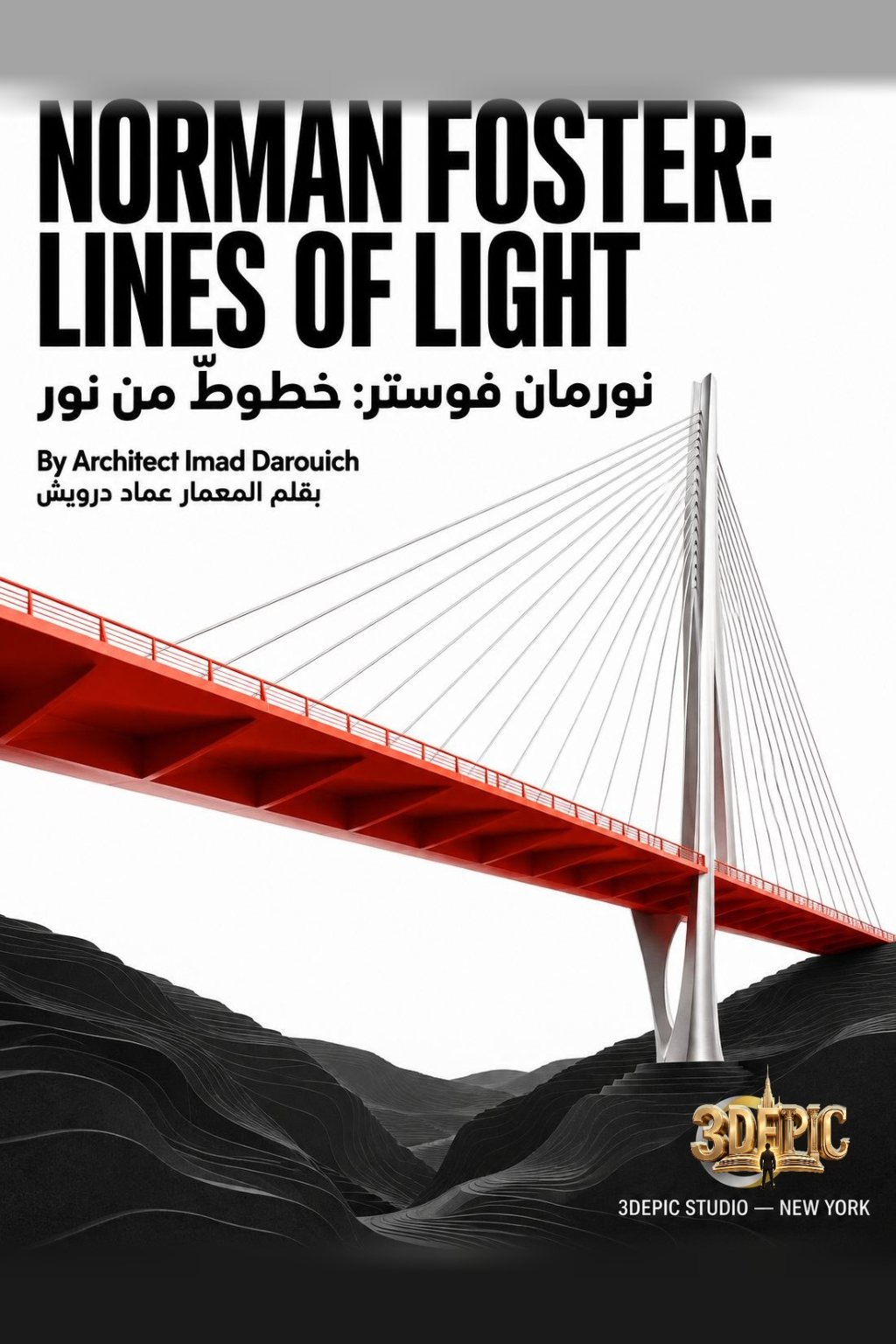
Norman Foster: Lines of Light

نورمان فوستر: خطوطٌ من نور

By Architect Imad Darouich

1 of 10

Norman Foster: Lines of Light

1 of 10

The life and buildings of Norman Foster, from Manchester and Yale to the Hongkong and Shanghai Bank, Stansted, the Commerzbank Tower, the Reichstag dome, the British Museum's Great Court, the Millau Viaduct and Hearst Tower, each read for the question that came before it. The book asks how imagination and knowledge help a building stand.

Format
PDF ebook
Languages
Arabic and English
Collection
Architecture

Instant download, no account needed. PDF · 56 pages.

Subscribe from $9 a Month.

Or unlock the entire library with your subscription. Download every book and discover new epics added each week.

Already a member? Sign in to download.

About This Book

Norman Foster: Lines of Light is a bilingual ebook in English and Arabic about the life and work of the British architect, read as architecture that brings imagination and knowledge together. It opens with a poem on Foster's language of light, air and hope, then an author's note that keeps his life and projects apart from the narrator's own reflections and treats major buildings as the work of whole teams.

An architect narrator looks at each building for the question that preceded it: why the roof rose here, why the wall stepped back, how daylight reached this depth. The chapters begin with Foster's beginnings in Manchester and his studies at the University of Manchester and Yale, and the idea that needs a team, from Team 4 with Richard Rogers to the practice that became Foster + Partners.

The book then reads the buildings one by one. The Hongkong and Shanghai Bank lets its structure become part of how it is read, Stansted Airport gives the traveler a roof that helps him find his way, and the Commerzbank Tower in Frankfurt lifts gardens into the workplace. The Reichstag dome brings daylight into a building of government, the Great Court at the British Museum makes room for movement around memory, the Millau Viaduct carries calculation across a valley, and Hearst Tower in New York adds to an older building. The narrator returns as a learner, carrying a way of questioning into his own next project.

For readers of Norman Foster and contemporary architecture, of structure and daylight, and of students and architects who want to read buildings closely.
Does not impose itself on a city.

When I look at a building, I search for the question that preceded it.

Here I read one source of strength in Foster’s work: imagination finds knowledge around it that helps it stand.

From the book

Topics

  • Norman Foster
  • Foster + Partners
  • Manchester
  • Team 4
  • Hongkong and Shanghai Bank
  • Stansted Airport
  • Commerzbank Tower
  • Reichstag dome
  • British Museum Great Court
  • Millau Viaduct
  • Hearst Tower
  • bilingual ebook

Share this epic

Reader ratings

5.0 · 1 rating

Readers who have downloaded or bought this book can rate it.

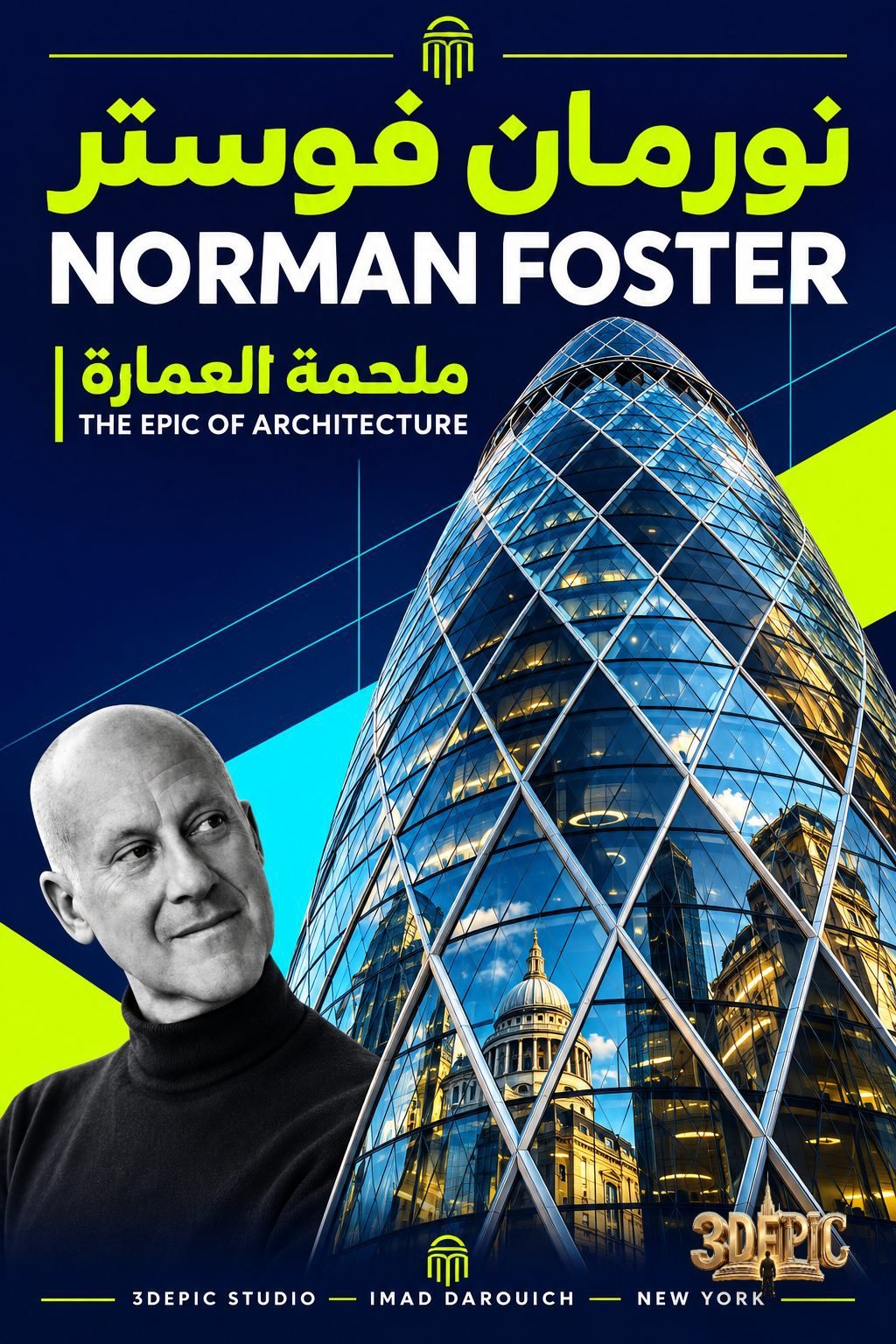
Norman Foster: The Epic of the Architect Who Drew a Path for the Sun
Norman Foster: The Epic of the Architect Who Made the Future Lighter and Smarter
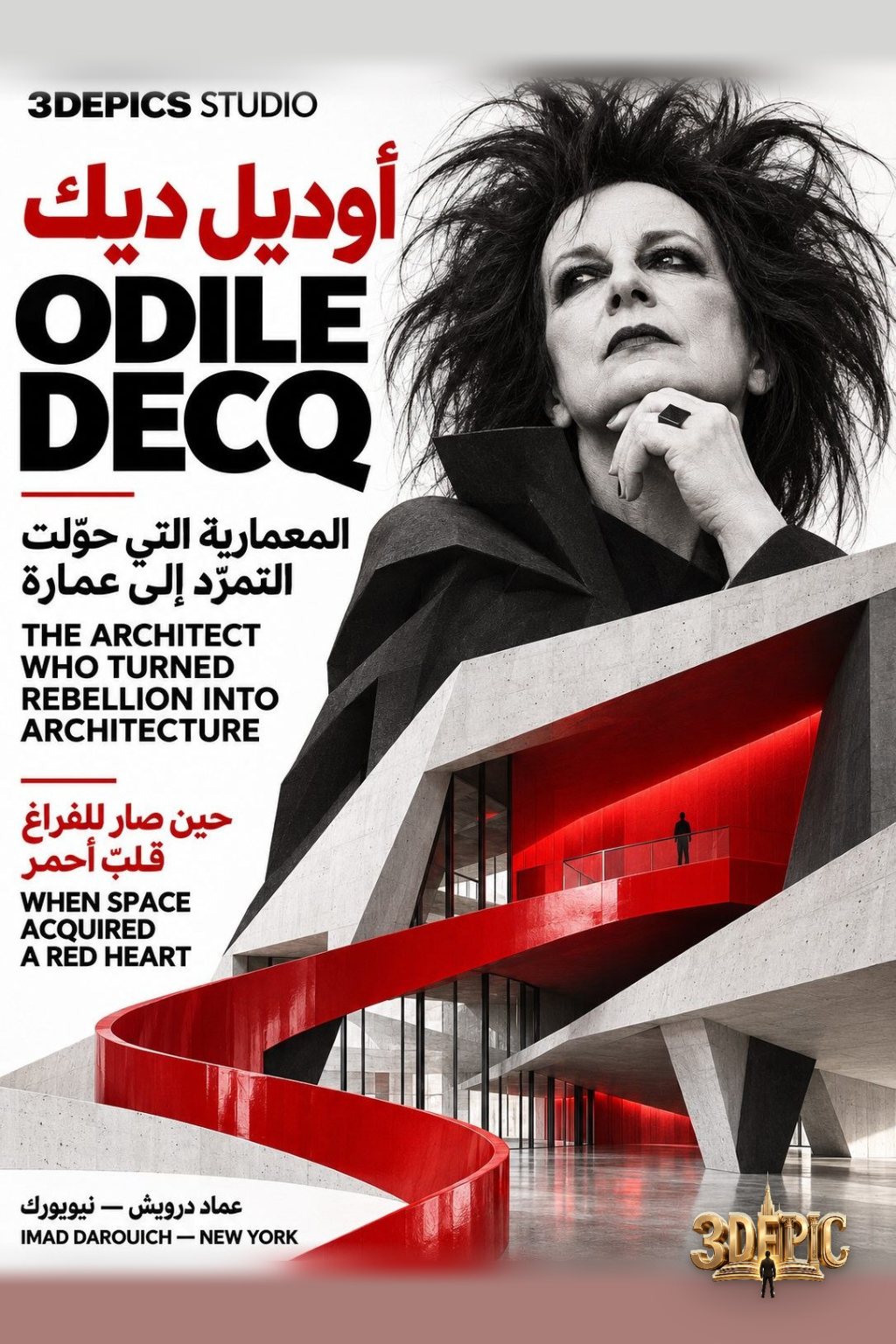
Odile Decq: The Architect Who Turned Rebellion into Architecture
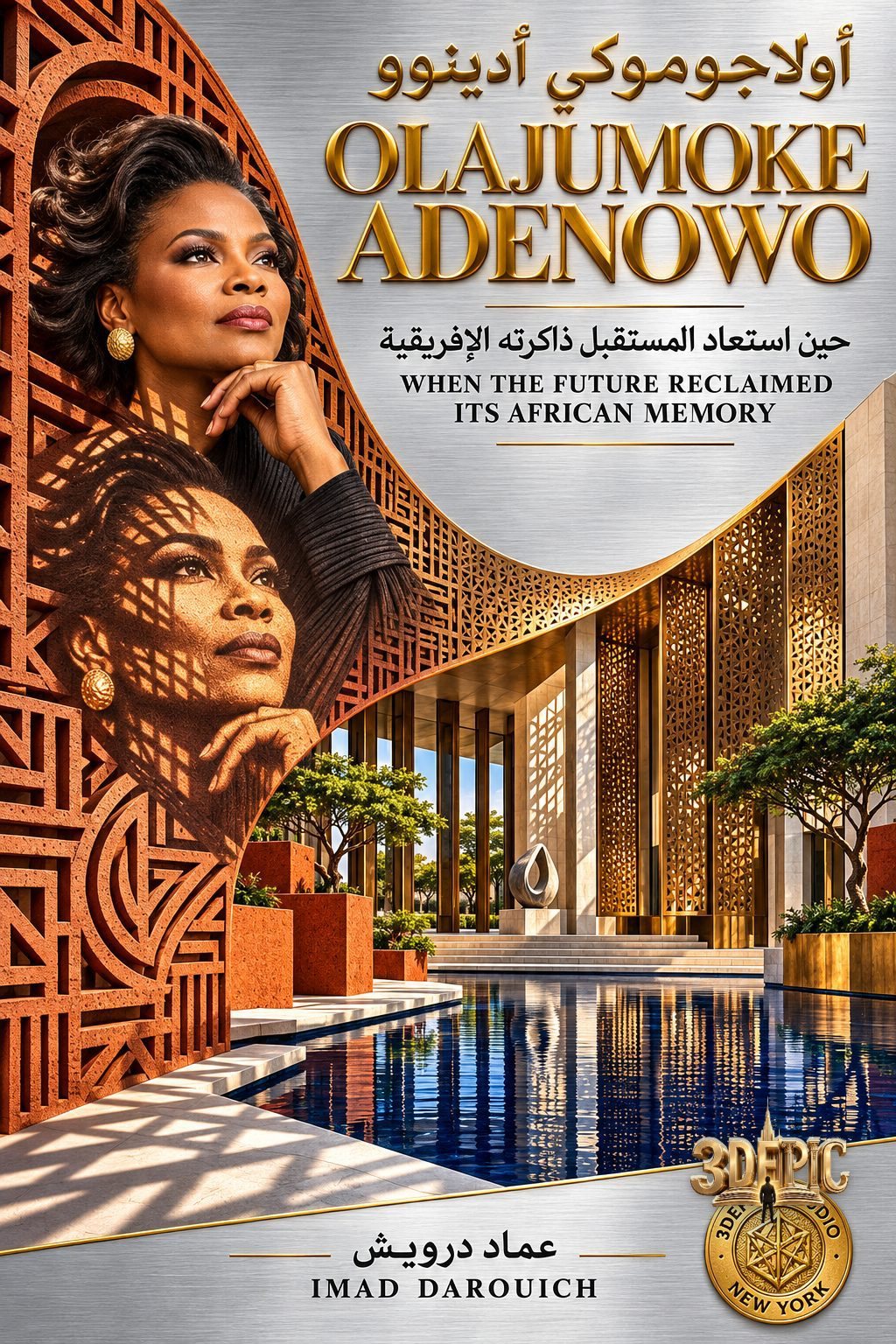
Olajumoke Adenowo: When the Future Reclaimed Its African Memory
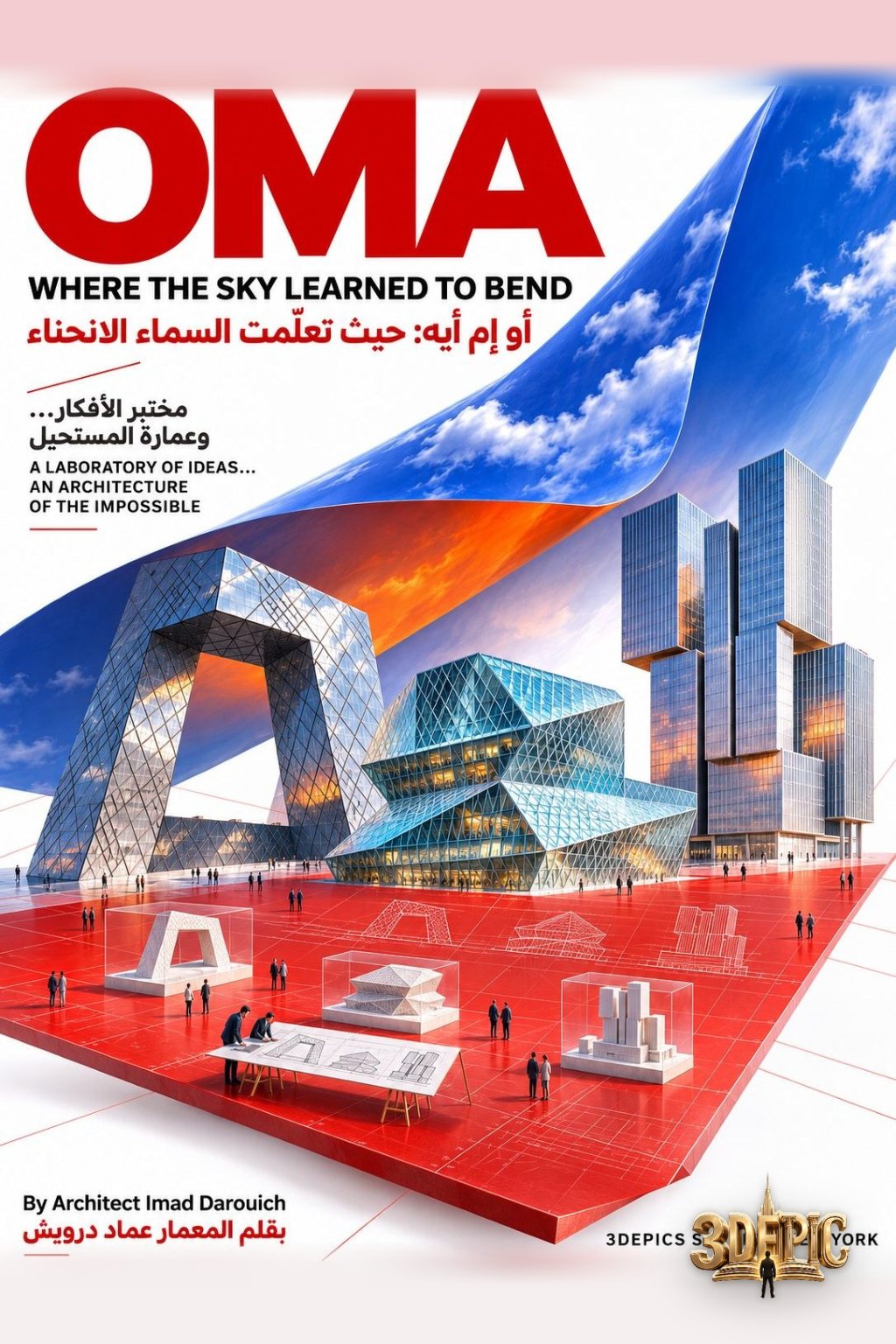
OMA: Where the Sky Learned to Bend
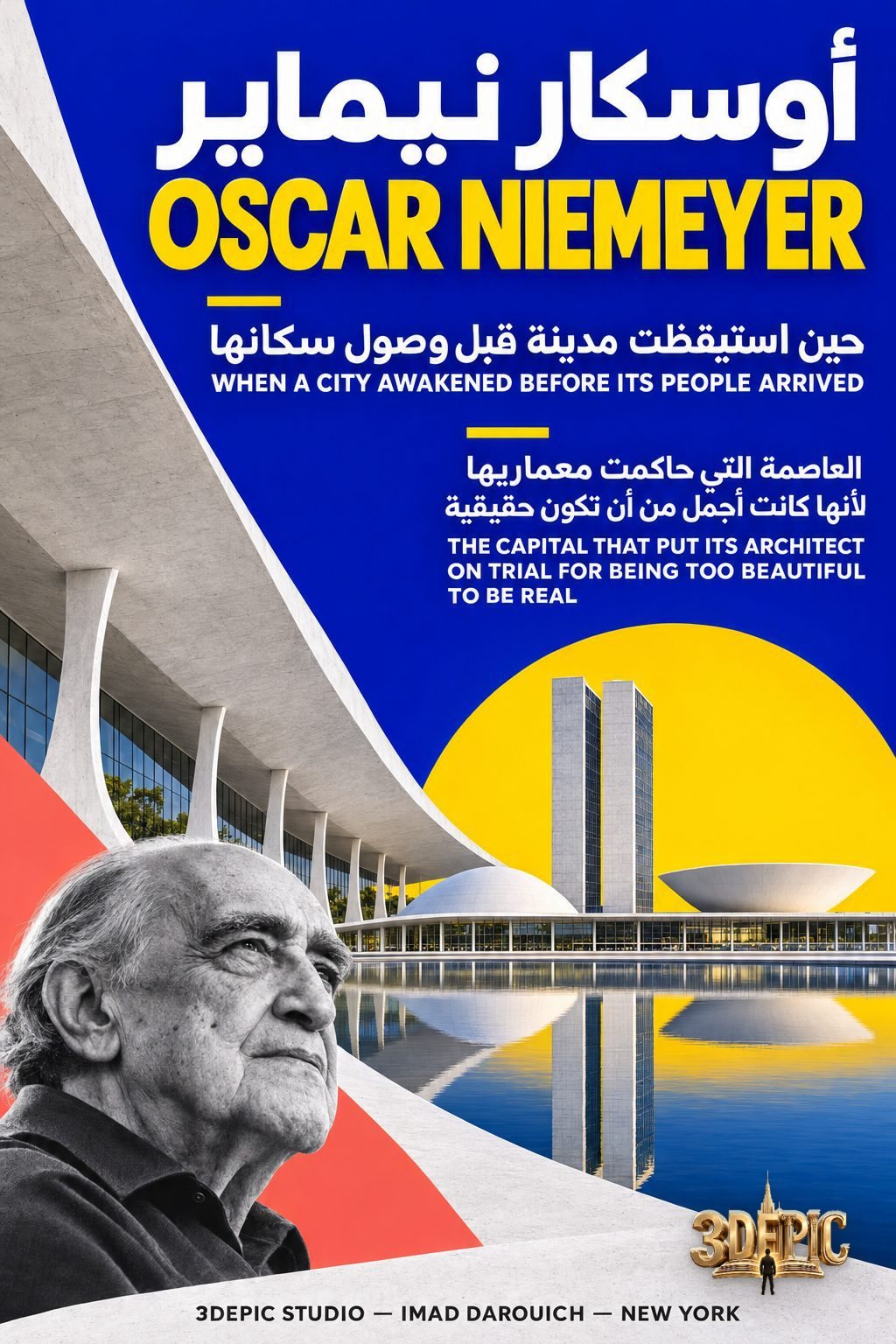
Oscar Niemeyer: The Capital That Put Its Architect on Trial
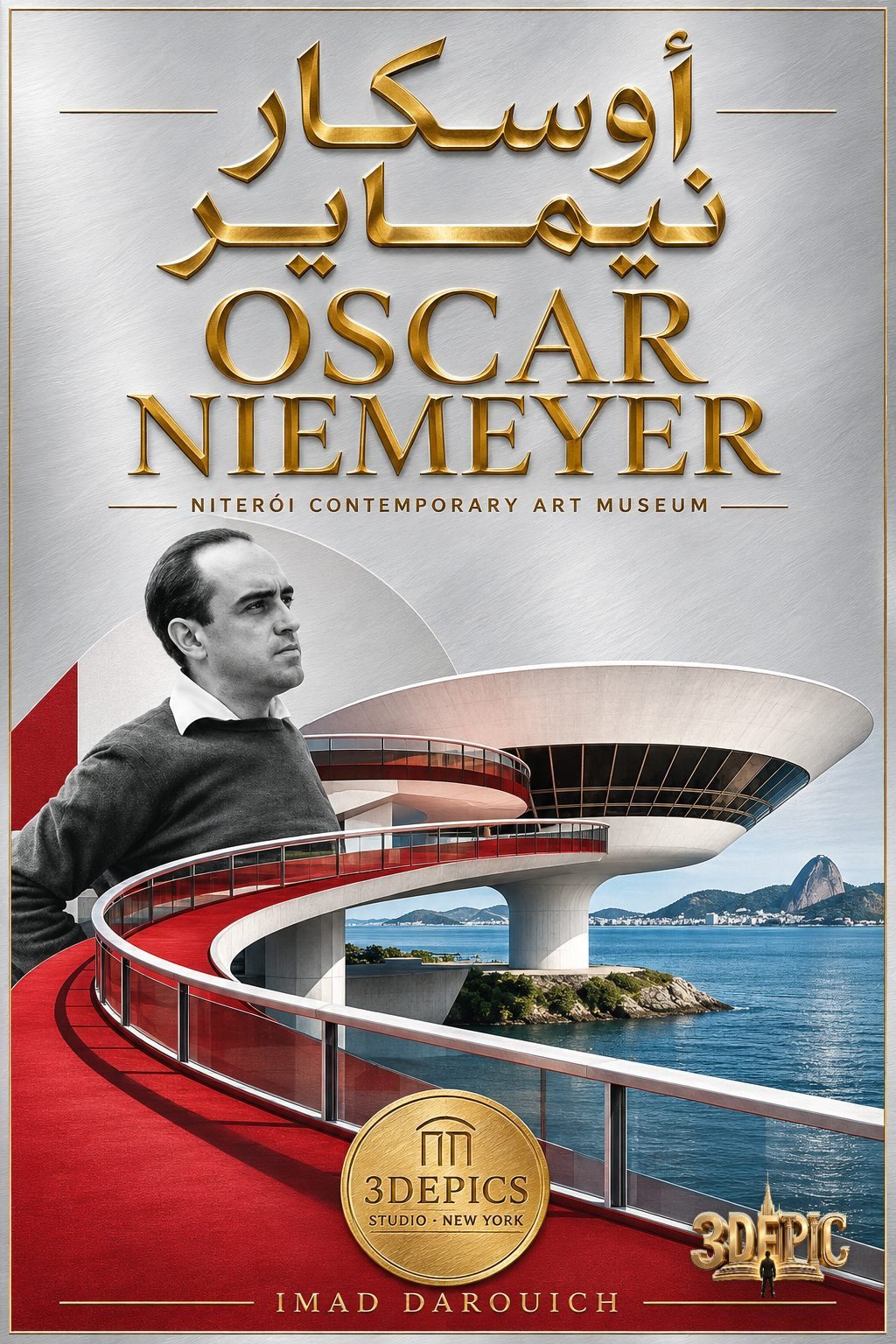
Oscar Niemeyer: The Epic of the Free Curve
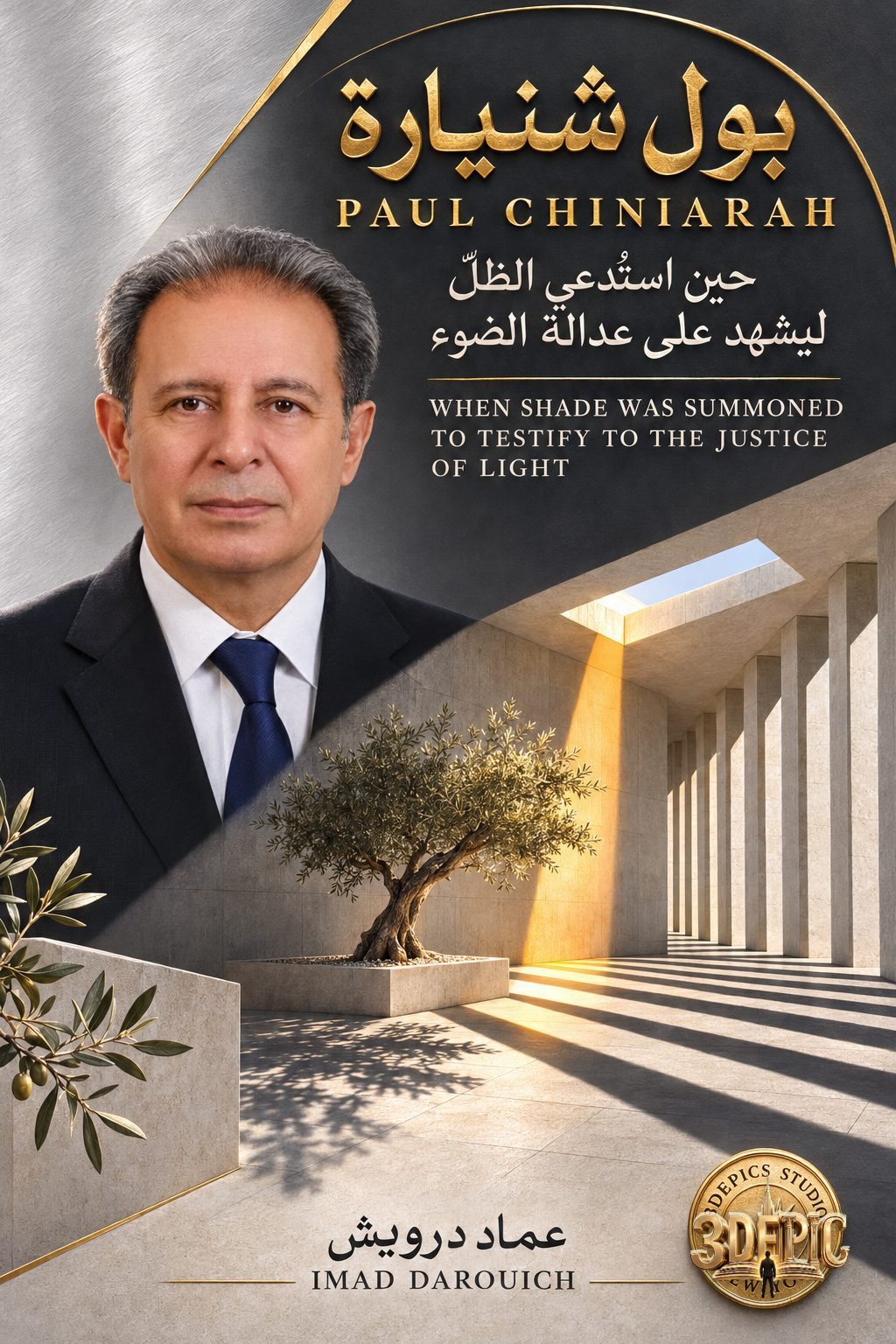
Paul Chiniarah: When Shade Was Summoned to Testify to the Justice of Light
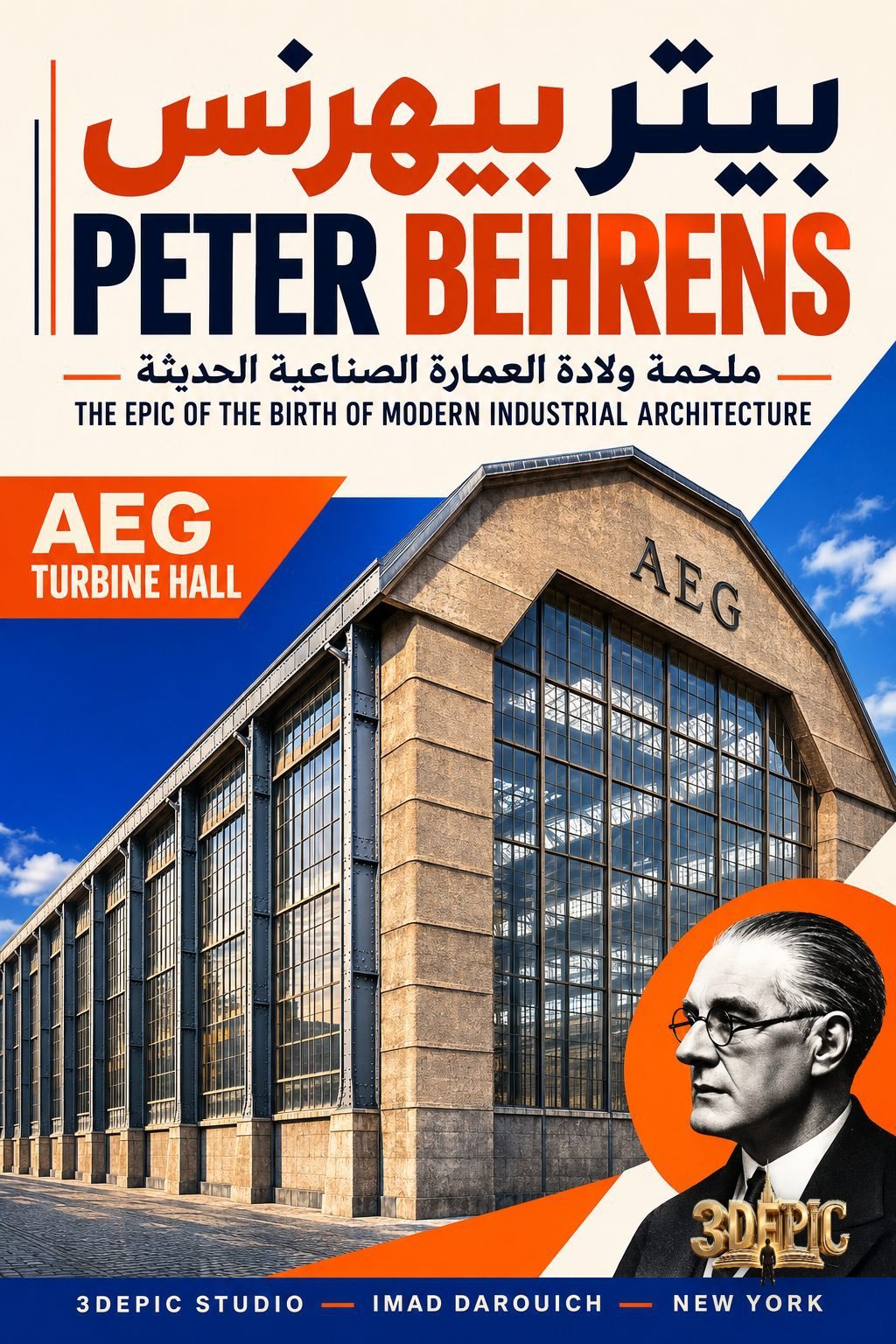
Peter Behrens: The Epic of the Birth of Modern Industrial Architecture
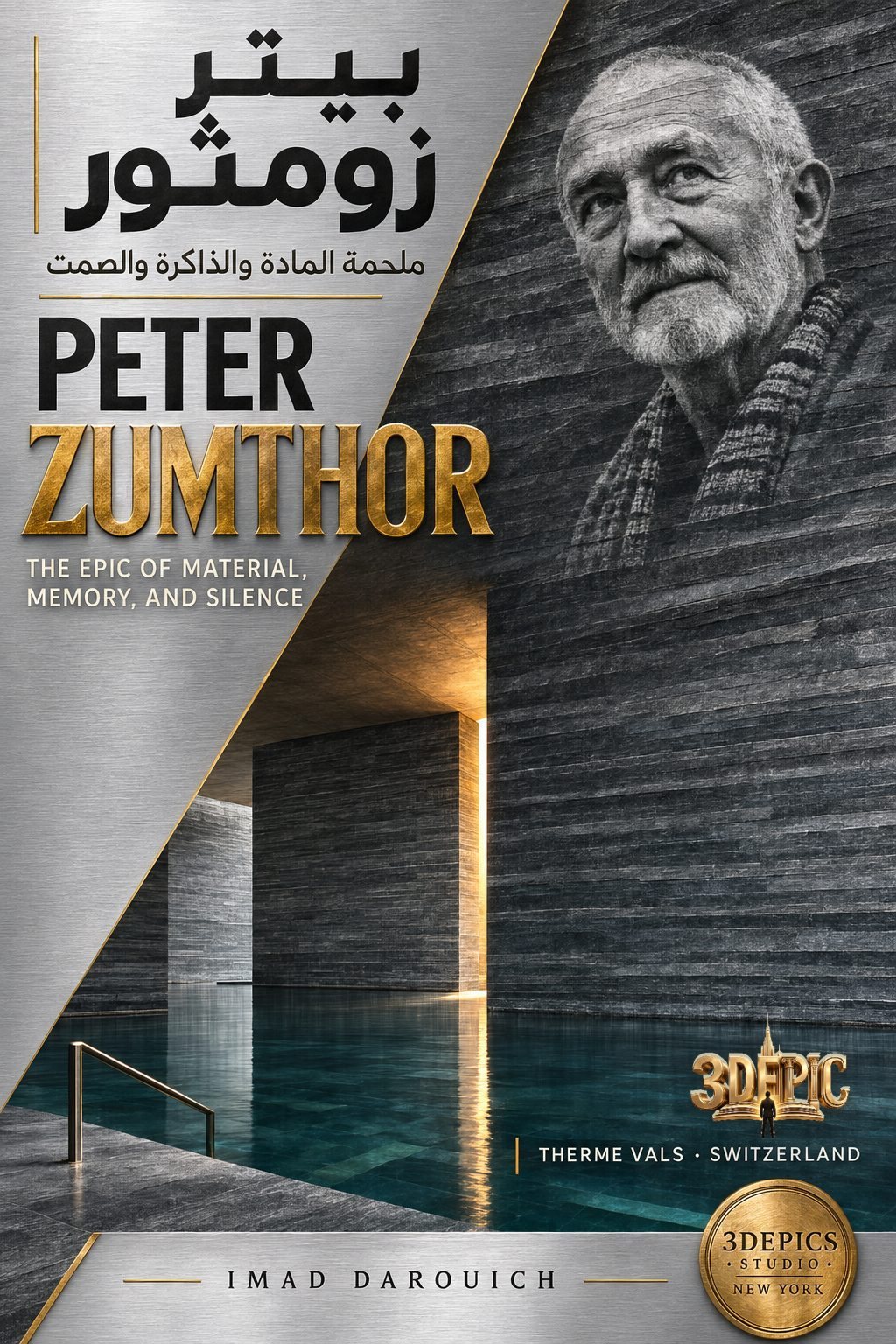
Peter Zumthor: The Epic of Material, Memory, and Silence
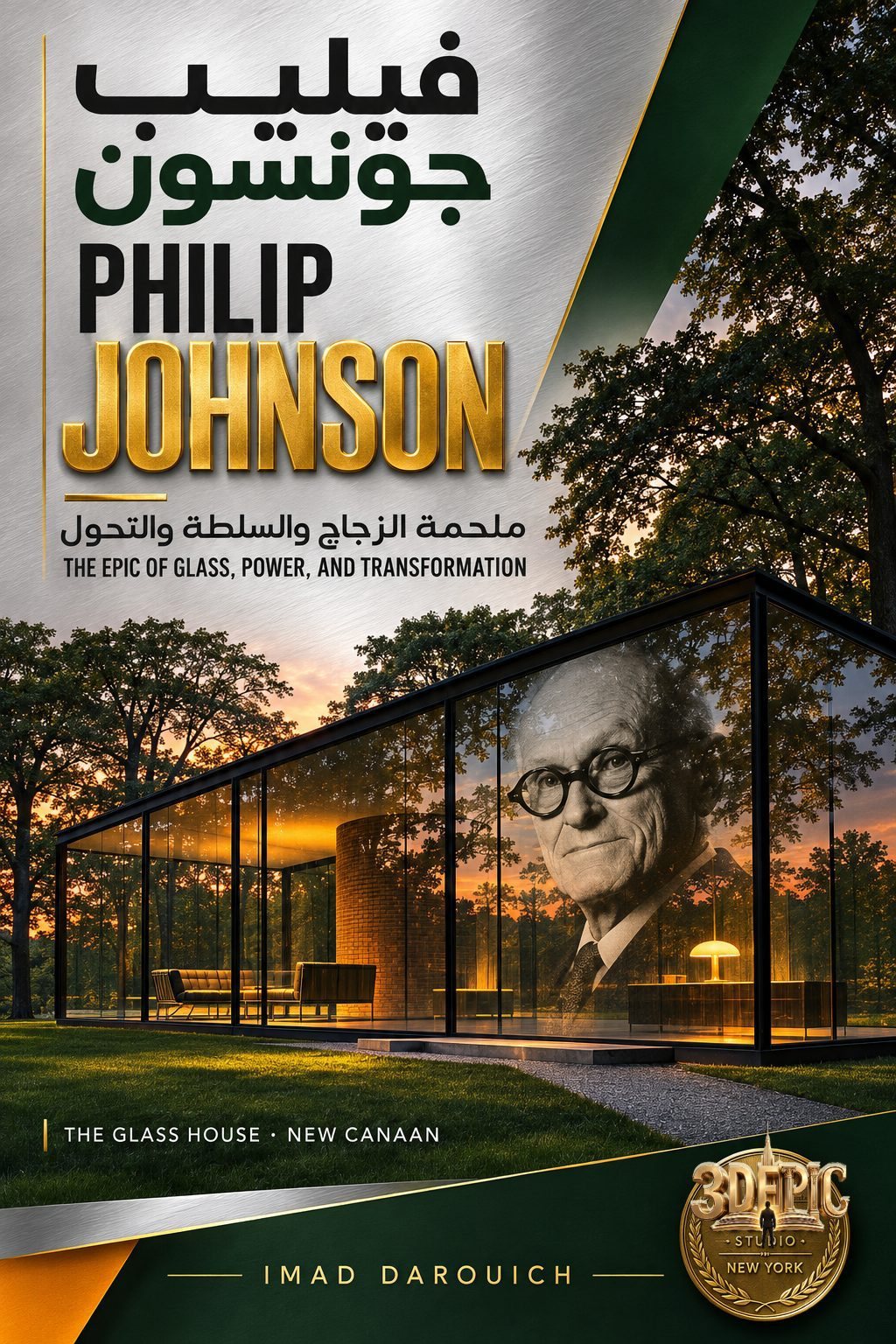
Philip Johnson: The Epic of Glass, Power, and Transformation
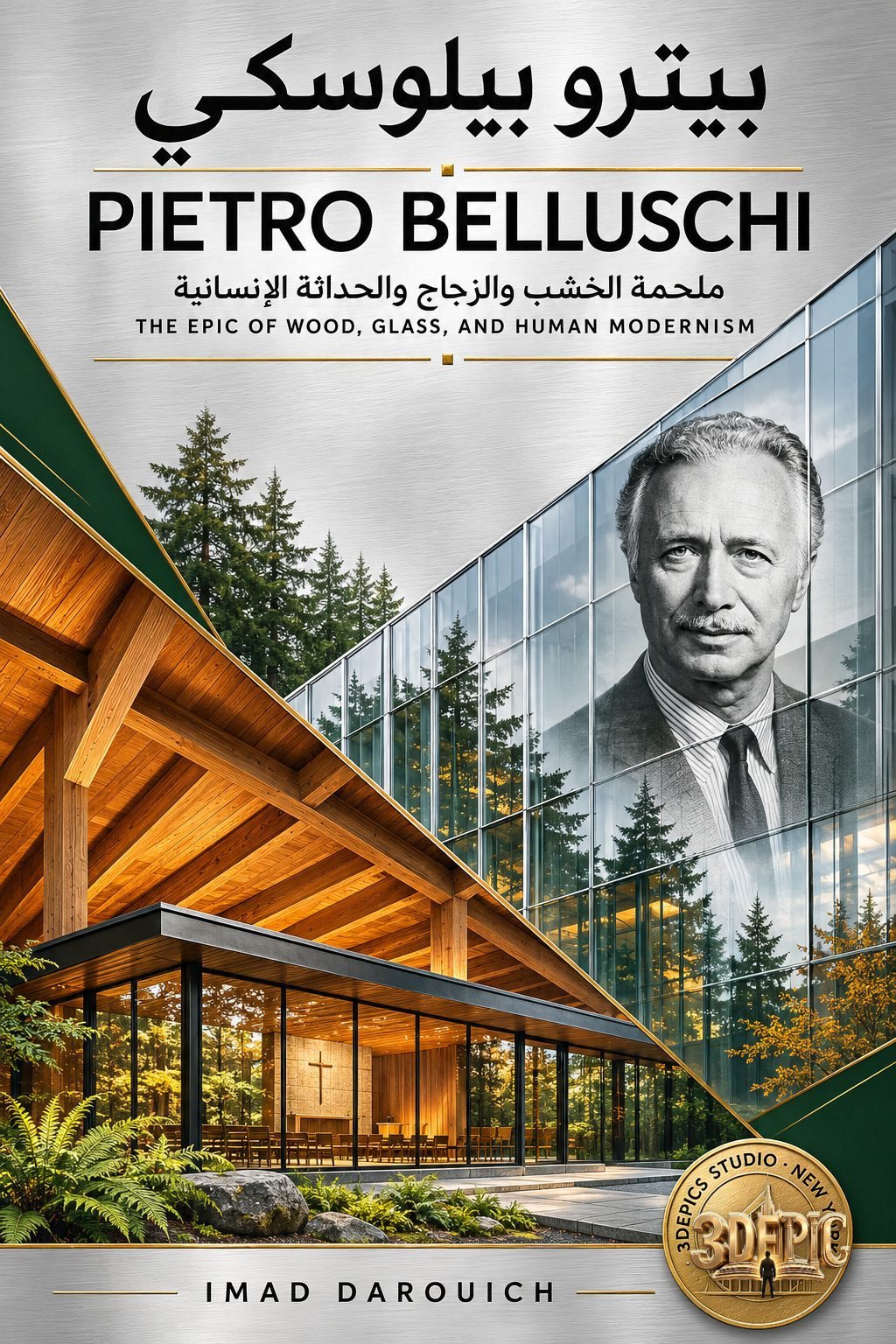
Pietro Belluschi: The Epic of Wood, Glass, and Human Modernism
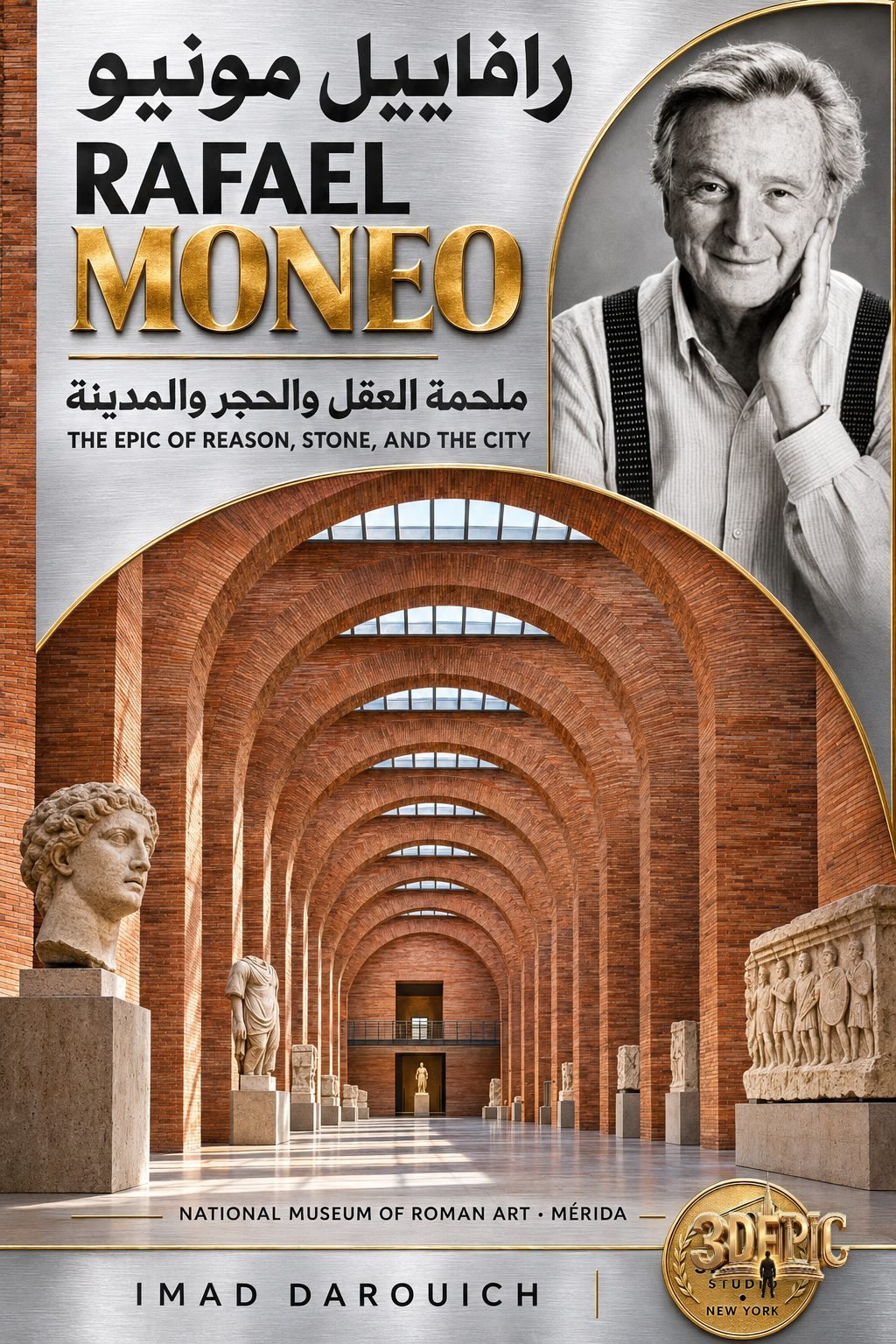
Rafael Moneo: The Epic of Reason, Stone, and the City
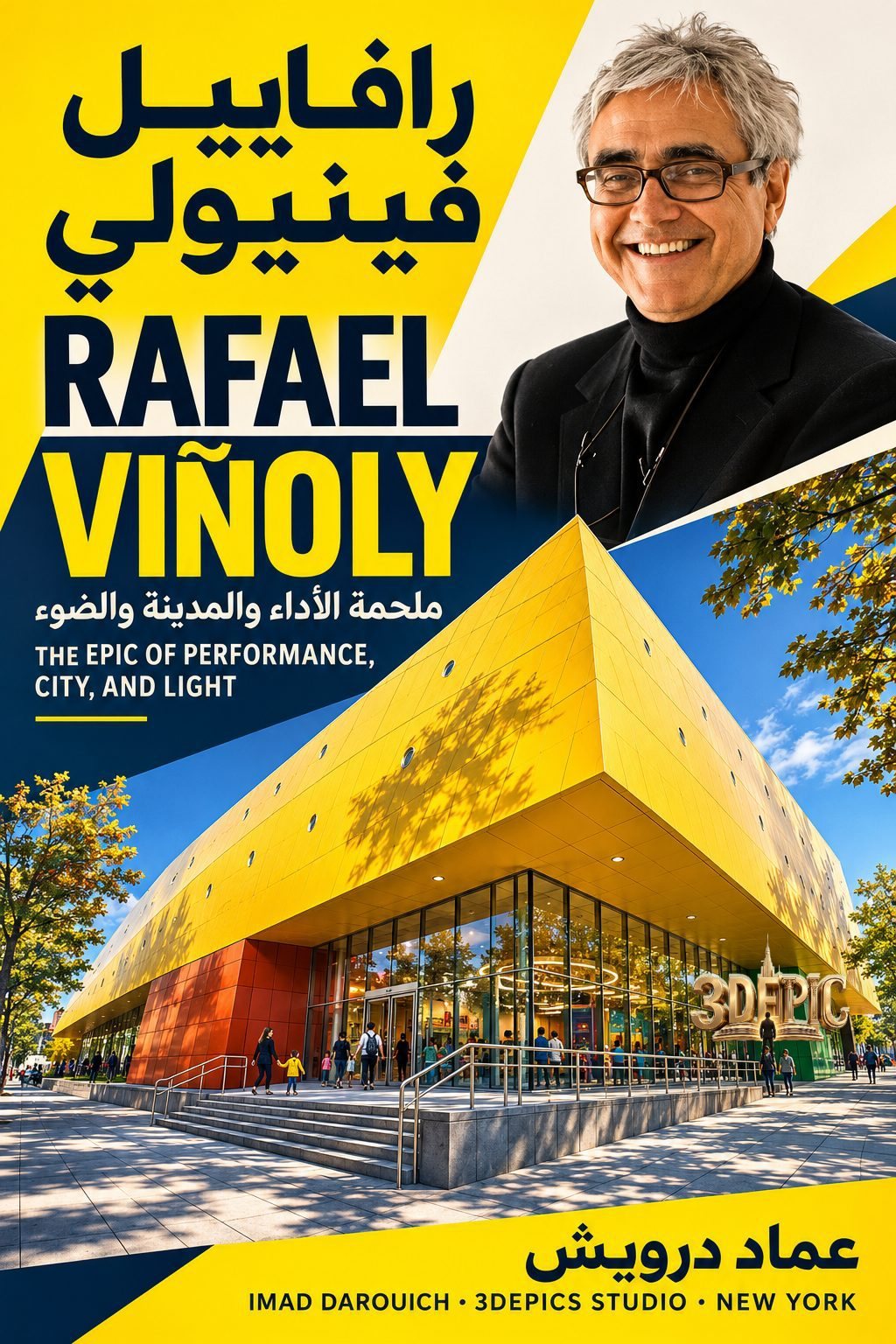
Rafael Viñoly: The Epic of Performance, City, and Light
Raha Ashrafi: When the Equation Made Room for Another Face
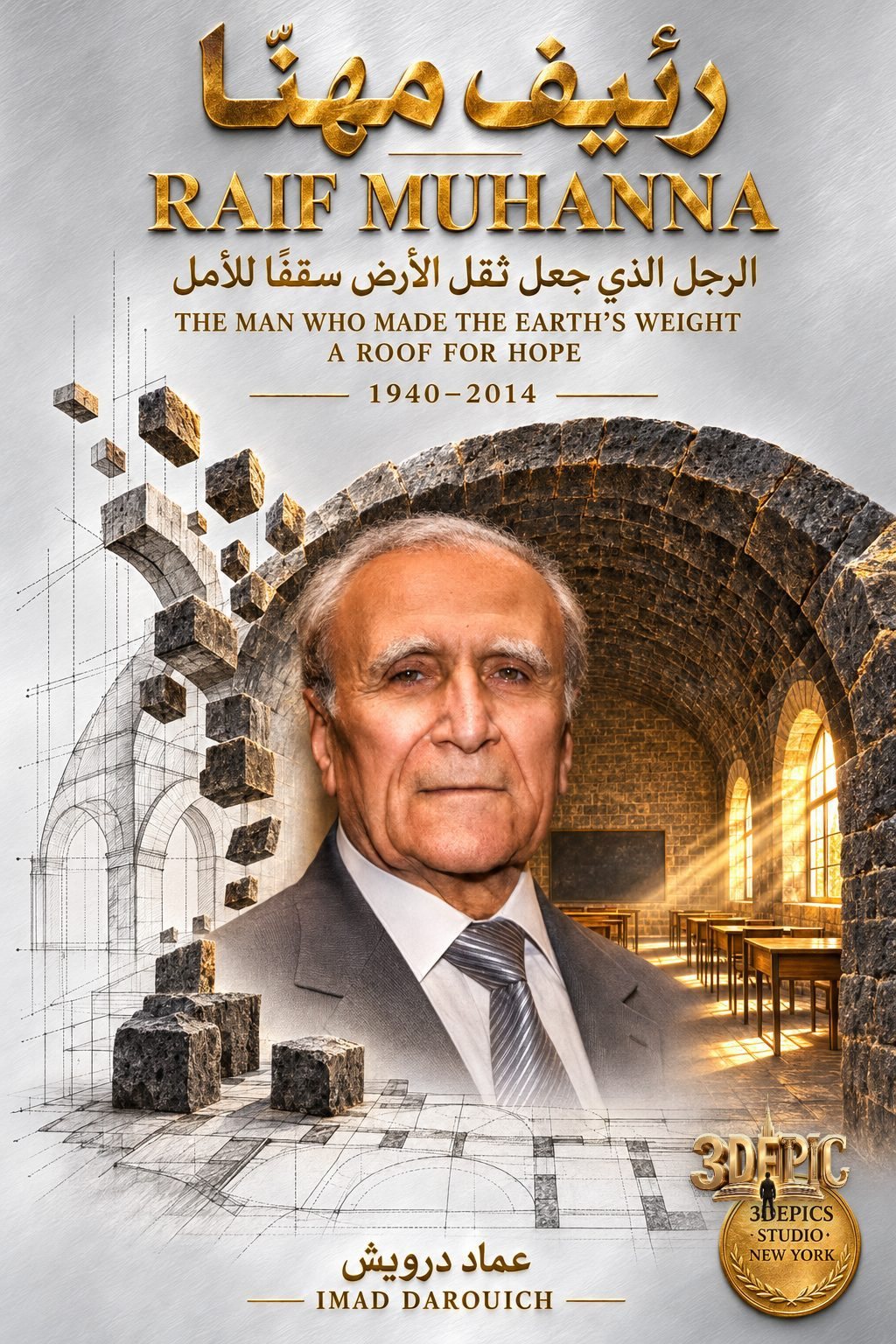
Raif Muhanna: The Man Who Made the Earth's Weight a Roof for Hope

Every ebook. Unlimited downloads.

Join from $9/mo