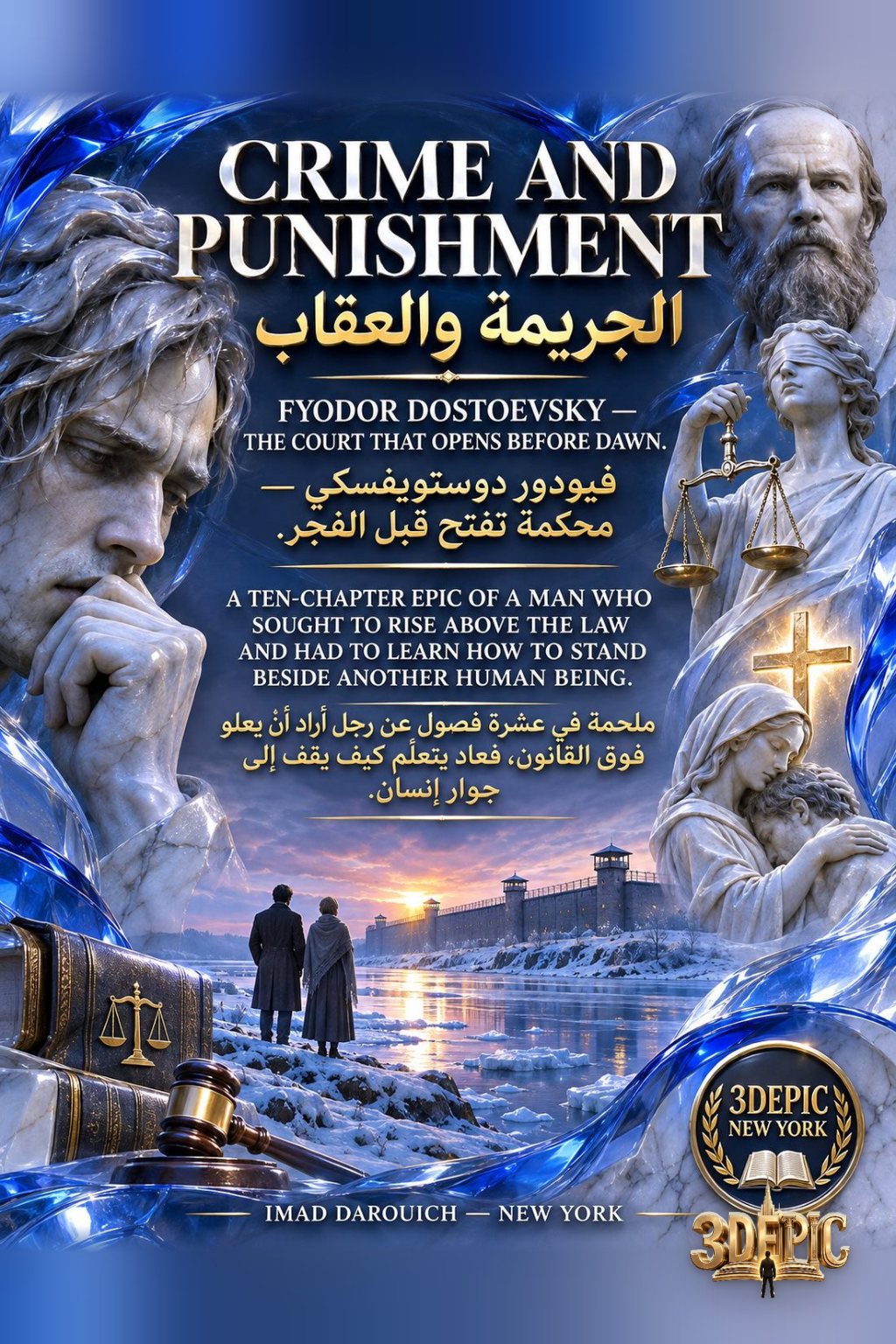
Artistic Epics: When the Painting Left Its Frame is a bilingual ebook in English and Arabic, a journey of colour, stone and light through human memory, from the first marks on a cave wall to paint on city streets. After a short opening that names the artists in turn, the narrator, an architect who knows how a wall carries a roof, stands before paintings to ask what they ask of him: why one face caught his eye, and why he passed over a weary hand at the edge of the scene.
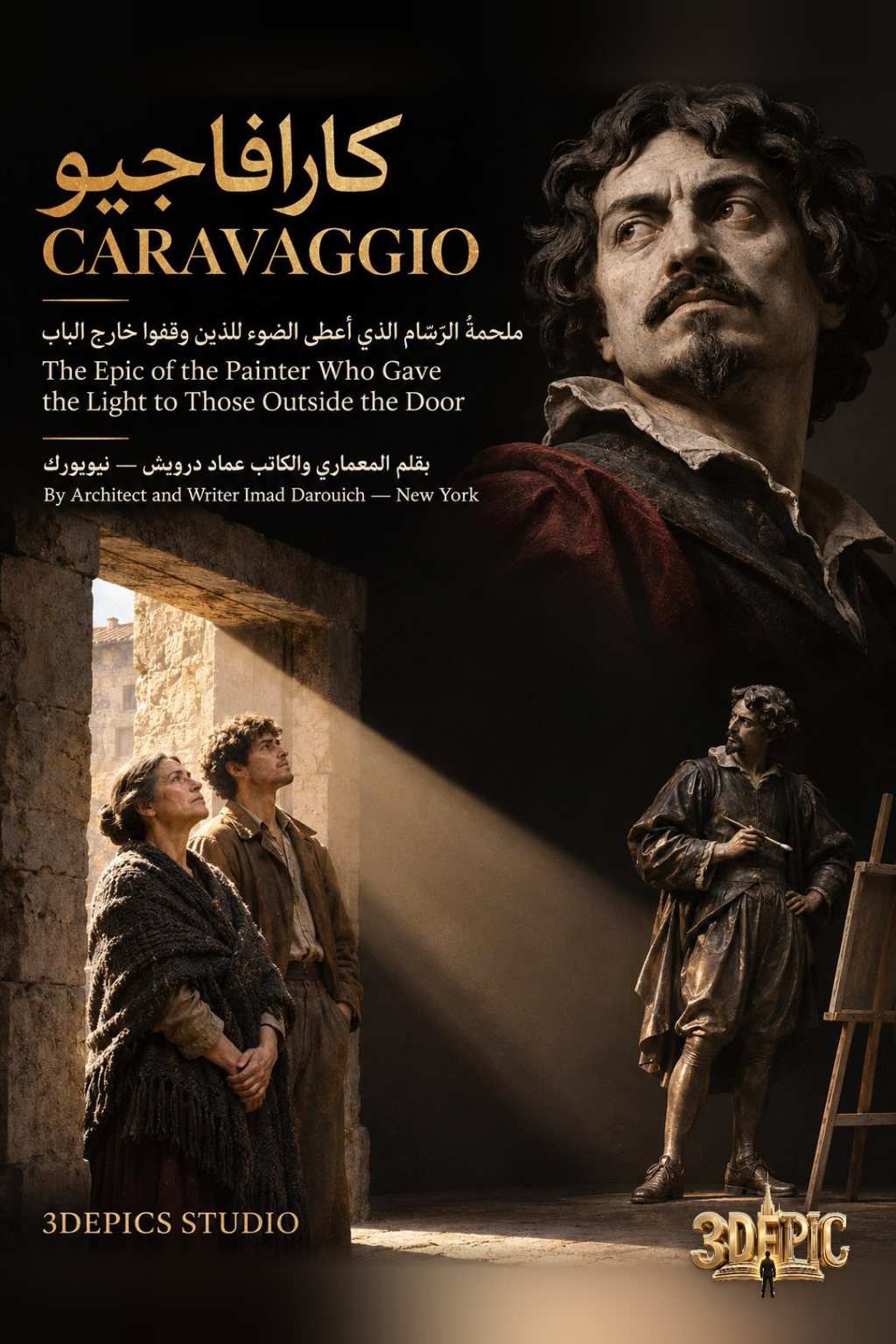
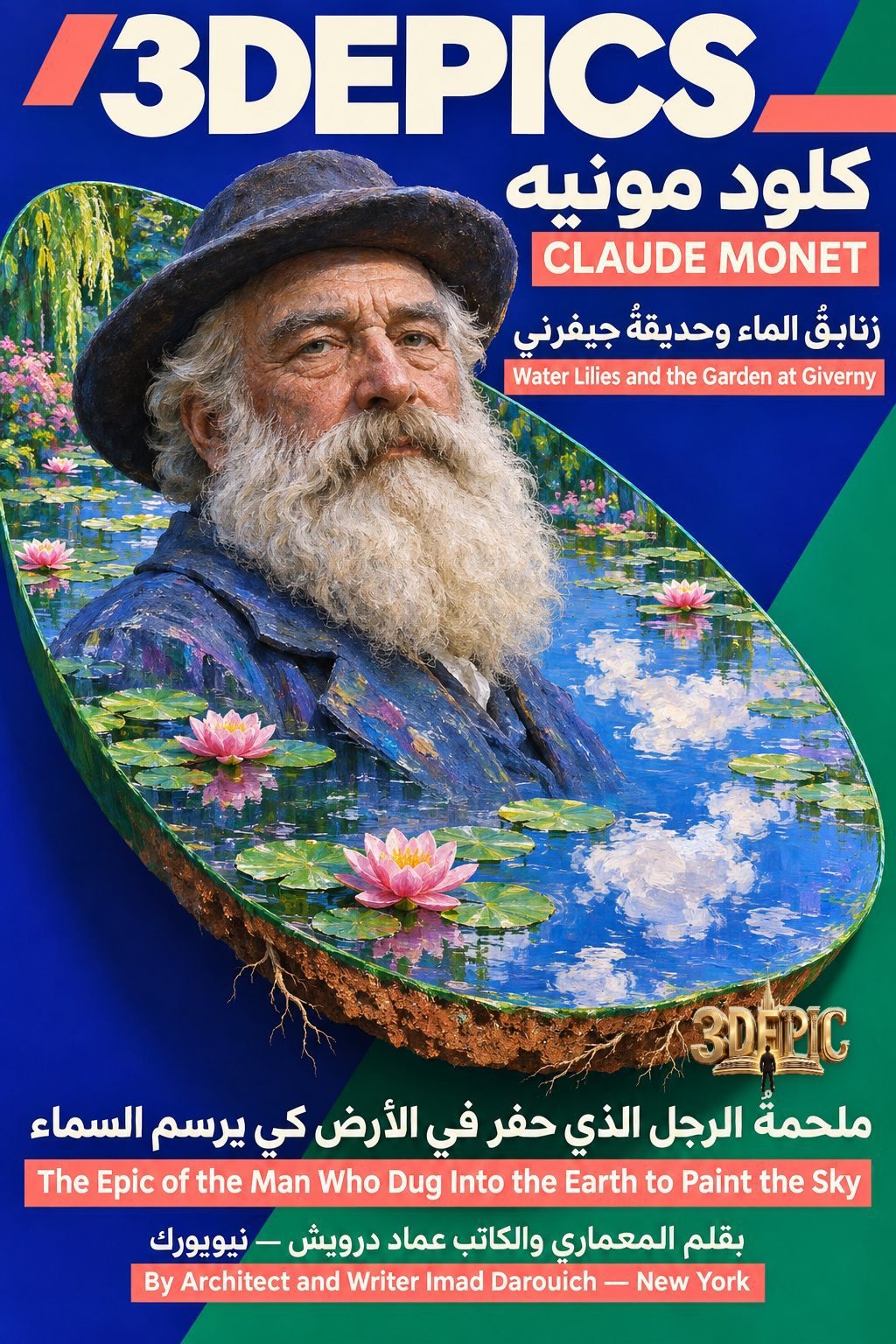
The chapters begin with the animals of Lascaux, the walls of ancient Egypt and Greek sculpture, then move to the Renaissance, with the Mona Lisa and the Vitruvian Man of Leonardo, the marble bodies of Michelangelo and the compositions of Raphael. Caravaggio and Rembrandt show what light reveals and lead the narrator to question the light he gives people in his own buildings. Goya keeps his eyes open on execution and war, so that looking at pain becomes the start of responsibility, and Monet teaches that a place changes with the hours and the seasons.
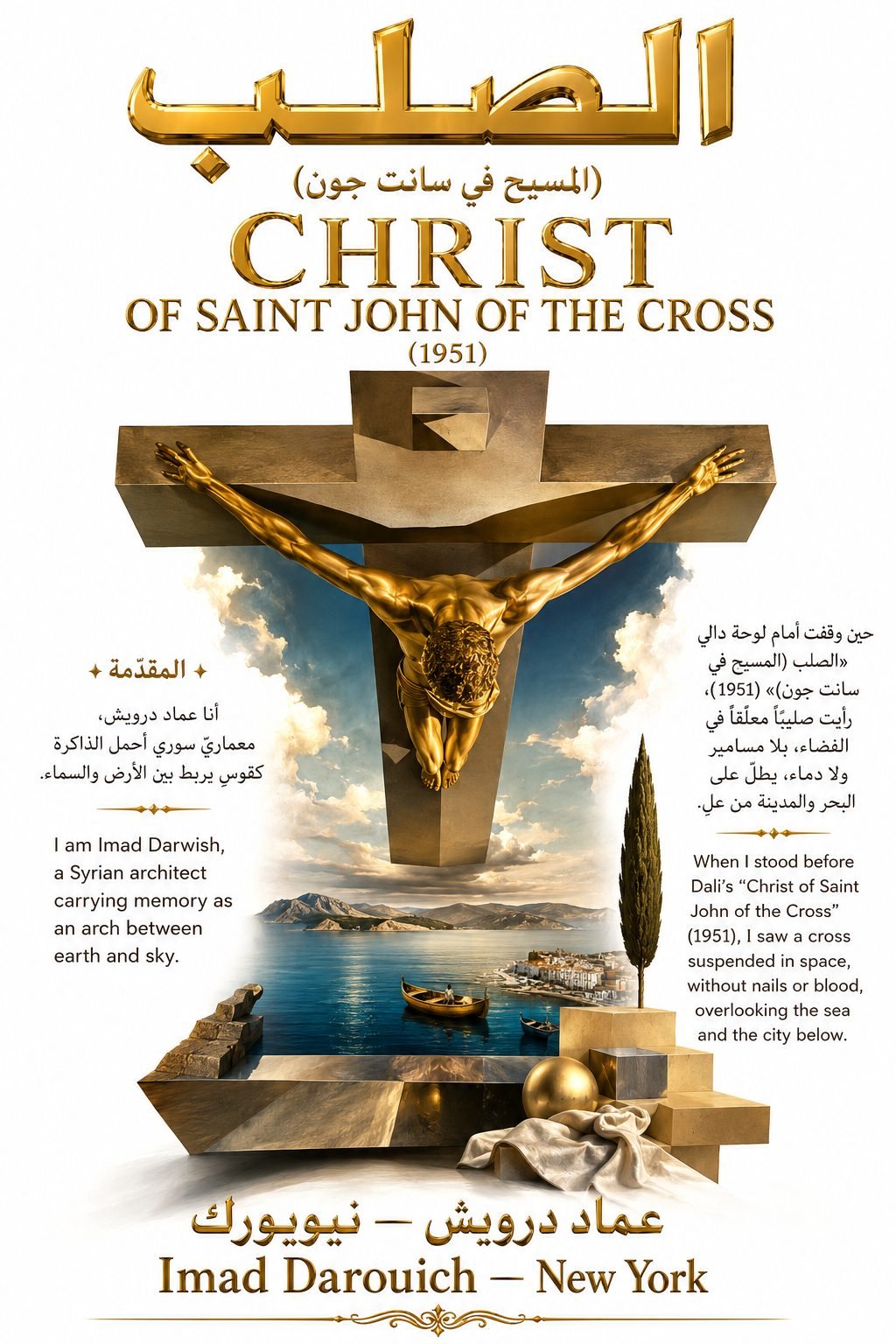
The brushwork of Van Gogh is read as labour and choice as well as suffering, and Gauguin raises the question of who is looking at whom. The Scream by Edvard Munch gives anxiety a form and asks for patience with people who cannot explain their distress, Picasso breaks the face into several views and paints Guernica, the melting clock of Dalí and the trails of Pollock show different ways material carries thought, and Warhol and Banksy carry the image into the market and the street. The book closes by asking what has changed in the reader's eyes.
For readers new to art history, and for anyone, architects included, who wants to look at paintings and cities more slowly.