The Building Accused of Moving: Zaha Hadid and Antoni Gaudí
المبنى الذي اتُّهم بالحركة
An inspector comes to fine a building that moved in the night, and finds Zaha Hadid and Antoni Gaudí making room for the people left outside.
بقلم المهندس المعماري عماد درويش4 دقائق قراءة
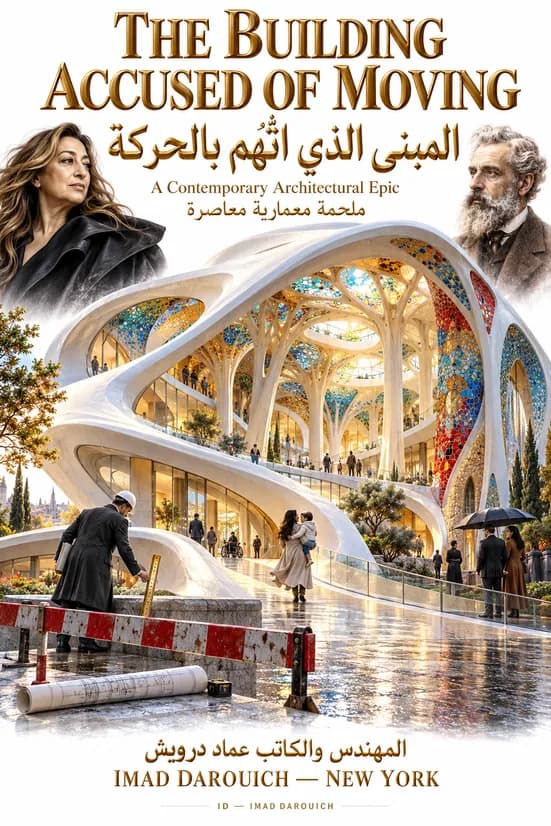
Antoni Gaudí, the Catalan architect of the Sagrada Família in Barcelona, died in 1926, twenty-four years before Zaha Hadid was born in Baghdad. Imad's Kafkaesque story puts Zaha Hadid and Gaudí in one building that an inspector accuses of moving in the night: its entrance has leaned toward a mother and child, a curved line has become a canopy, and its columns have branched like trees.
A Note
تنويه
حكاية معمارية كافكاوية متخيّلة تجمع زها حديد وأنطوني غاودي؛ اللقاء والحوار والأحداث من الخيال، وليست اقتباساتٍ منهما.An imagined Kafkaesque architectural story bringing together Zaha Hadid and Antoni Gaudí; the encounter, dialogue, and events are fictional, not quotations from them.
The Introduction
المقدمة
استدعوني لأن مبنًى تحرّك ليلًا.I was summoned because a building had moved during the night.
وصلتُ، فوجدتُه ثابتًا في أرضه.I arrived and found it standing firmly on its site.
لكن مدخلَه مالَ قليلًا نحو امرأةٍ تحمل طفلًا.Yet its entrance had leaned slightly toward a woman carrying a child.
انخفضت الدرجاتُ أمام قدميها.The steps had lowered before her feet.
دخلتْ دون أن تطلب المساعدة.She entered without asking for help.
قال المفتّش: رأيتَ المخالفة؟The inspector said: Did you see the violation?
قلتُ: رأيتُ امرأةً تدخل.I said: I saw a woman entering.
The Epic
الملحمة
فتح ملفًّا سميكًا.He opened a thick file.
قال: المدخلُ في المخطّط أعلى من هذا.He said: The entrance is higher than this in the plan.
قلتُ: وماذا خسرنا؟I asked: And what have we lost?
أشار إلى المسطرة.He pointed to the ruler.
قال: التطابق.He said: Conformity.
كانت زها حديد تقف عند الواجهة.Zaha Hadid stood beside the façade.
مرّرت يدَها فوق خطٍّ منحني.She ran her hand along a curved line.
امتدَّ الخطُّ، وصار مظلّةً فوق المنتظرين.The line extended and became a canopy over those waiting.
بدأ المطر.Rain began.
اقترب الناسُ من الجدار.People moved closer to the wall.
سجّل المفتّش مخالفةً ثانية.The inspector recorded a second violation.
«تجاوزُ الواجهة حدودَها».“The façade has exceeded its boundaries.”
سألته زها: أأعيدهم إلى المطر؟Zaha asked him: Shall I send them back into the rain?
لم ينظر إلى الناس.He did not look at the people.
كان يقيسُ طرفَ المظلّة.He was measuring the canopy’s edge.
في الداخل، وجدنا غاودي يتأمّل الأعمدة.Inside, we found Gaudí studying the columns.
قال: هنا يجلس الأطفال؟He asked: Is this where the children sit?
أومأتُ.I nodded.
لمس عمودًا.He touched a column.
تفرّع أعلاه، وامتدّت منه أغصانٌ حجرية تحمل السقف.Its top branched, and stone boughs spread from it to carry the roof.
تسرّب الضوءُ بينها، وبقي على الأرض كظلّ أوراق.Light filtered between them and rested on the floor like the shadows of leaves.
رفع طفلٌ رأسَه.A child looked up.
قال: نحن داخل شجرة.He said: We are inside a tree.
سمع المفتّش.The inspector heard him.
أغلق دفترَه، ثم فتح دفترًا آخر.He closed his ledger, then opened another.
قال: الأشجارُ من اختصاص دائرة الحدائق.He said: Trees fall under the Parks Department.
The Turning
التحوّل
صدر قرارٌ بإيقاف المبنى عن العمل.An order was issued to suspend the building’s operation.
وُضعت حوله حواجز.Barriers were placed around it.
بقي الناسُ تحت المطر.The people remained in the rain.
وفي الداخل، كانت القاعةُ جافّةً ومضيئة.Inside, the hall was dry and bright.
وقفتُ بين الحاجز والباب.I stood between the barrier and the door.
أنا معماري. أعرف أن المبنى يحتاج إلى نظام.I am an architect. I know a building needs order.
لكن النظامَ الذي رأيتُه كان يحرس غرفةً فارغة، ويترك أصحابَها في الخارج.But the order before me was guarding an empty room and leaving its people outside.
طلبتُ من المفتّش أن يدخل معي.I asked the inspector to come inside with me.
قال: المبنى موقوف.He said: The building is suspended.
ناولته المخطّط.I handed him the plan.
قلتُ: افحصه إذن.I said: Then inspect it.
دخلنا.We entered.
طلبتُ منه أن يقف في موضعه المحدّد على الورقة.I asked him to stand in the position marked on the sheet.
وقف.He did.
كان الماءُ يتساقط من معطفه.Water dripped from his coat.
تحرّكت فتحةٌ في السقف، حتى وصل الضوءُ إلى كتفيه.An opening in the roof shifted until light reached his shoulders.
ابتعد خطوة.He moved a step away.
تبعه الدفء.The warmth followed him.
نظر إلى زها، ثم إلى غاودي.He looked at Zaha, then at Gaudí.
قال: لماذا يفعل هذا؟He asked: Why does it do that?
قلتُ: لأنك هنا.I said: Because you are here.
جلس على مقعد.He sat on a bench.
للمرة الأولى، ترك المسطرةَ بجانبه.For the first time, he set the ruler beside him.
The Ending
الخاتمة
لم تُصلح زها انحناءَ المظلّة.Zaha did not straighten the canopy’s curve.
ولم يقطع غاودي أغصانَ الأعمدة.Gaudí did not cut the columns’ branches.
أخرجتُ مخطّطًا جديدًا، وسجّلنا التغييرات.I took out a new plan, and we recorded the changes.
راجعنا الأحمال، والممرّات، ومخارج النجاة.We reviewed the loads, the passages, and the escape routes.
كلُّ شيءٍ كان يحمل ما يجب أن يحمله.Everything carried what it was meant to carry.
بقي سؤالٌ واحد:One question remained:
مَن يحمل تعبَ الواقفين خارج الباب؟Who would carry the weariness of those standing outside the door?
نهض المفتّش.The inspector stood up.
ذهب إلى المدخل، وأزاح الحاجز.He went to the entrance and moved the barrier aside.
دخلت المرأةُ وطفلُها.The woman and her child entered.
ثم دخل الآخرون.Then the others came in.
يا ربّ، اجعل ما نبنيه أرحبَ من خوفنا.O Lord, let what we build be more spacious than our fear.
في التقرير الأخير، شطب المفتّش عبارةَ «المبنى يتحرّك».In the final report, the inspector crossed out “The building moves.”
وكتب:And wrote:
«المدخلُ يستجيب للواصلين».“The entrance responds to those arriving.”
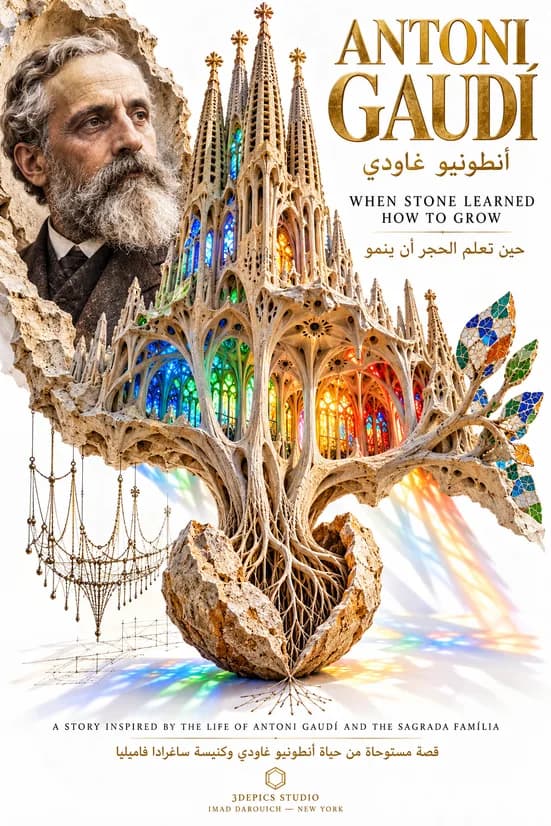
Both architects have their own books in the library, Zaha Hadid: When Architecture Escaped Gravity and Antoni Gaudí: The Architect Who Taught Stone to Pray. Gaudí's columns that grow like trees return in When Stone Learned How to Grow.
بقلم
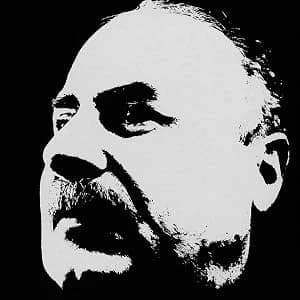
Architect Imad Darouich
المهندس المعماري عماد درويش
مهندس معماري وكاتب ومؤسس 3DEPICS، يقيم في نيويورك. يكتب أدبًا ملحميًا يعبر الحدود واللغات والجغرافيا، حيث تلتقي الفلسفة بالعمارة، والروحانية بالتاريخ، والذاكرة بالخيال.