Philip the Arab: The Emperor Who Came from the Edge of the Map
فيليب العربي: الإمبراطور الذي جاء من حافة الخريطة
A small town in southern Syria gave Rome an emperor; Imad reads Philip the Arab as a bridge between the desert and Roman marble.
بقلم المهندس المعماري عماد درويش4 دقائق قراءة
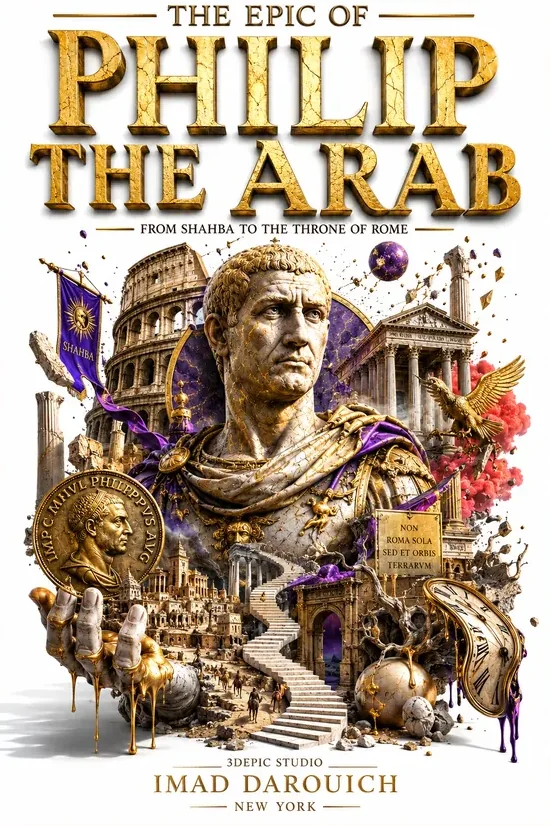
Philip the Arab ruled the Roman Empire from 244 to 249. He was born in Shahba, about 90 kilometres south of Damascus, a town later renamed Philippopolis in his honour. Imad's essay opens with a historical note and reads his rise as a sign that history is sometimes made far from the capitals.
Epic Historical Disclaimer
تنويه تاريخي ملحمي
هذا النص ليس محاولةً لتمجيد إمبراطورٍ روماني،This text is not an attempt to glorify a Roman emperor,
ولا سعياً لبعث أمجاد إمبراطوريةٍ اندثرت،Nor an effort to revive the glory of a vanished empire,
بل هو وقفةٌ أمام مفارقةٍ تاريخيةٍ نادرة،Rather, it is a pause before a rare historical paradox,
مفارقةٍ تجعل مدينةً صغيرةً في جنوب سورياA paradox that allows a small city in southern Syria
تضع بصمتها على أعظم آلة حكم عرفها العالم القديم.To leave its mark upon the greatest governing machine of the ancient world.
فعندما نقرأ اسم فيليب العربي،When we read the name Philip the Arab,
نحن لا نقرأ سيرة رجلٍ فقط،We are not reading the story of a man alone,
بل نقرأ قصة انتقال الأفكار والبشر والثقافاتBut the story of the movement of peoples, cultures, and ideas
عبر طرق التجارة والجيوش والإدارة.Across routes of trade, armies, and administration.
في القرن الثالث الميلادي،In the third century CE,
لم تكن سوريا هامشاً في الإمبراطورية الرومانية،Syria was not a margin of the Roman Empire,
بل كانت أحد أهم أقاليمها الاقتصادية والعسكرية والثقافية.It was among its most important economic, military, and cultural provinces.
فمن موانئها كانت البضائع تعبر إلى البحر المتوسط،From its ports goods crossed the Mediterranean,
ومن صحاريها كانت القوافل تصل إلى الهند والصين،From its deserts caravans reached India and China,
ومن مدنها خرج قادة وجنود وتجار وفلاسفة.And from its cities emerged commanders, soldiers, merchants, and thinkers.
لكن ما لا يلتفت إليه كثير من المؤرخين،Yet what many historians rarely notice,
هو أن قصة فيليب العربي ليست قصة صعود شخص،Is that Philip’s story is not merely the rise of an individual,
بل قصة صعود الجغرافيا نفسها.It is the rise of geography itself.
فشهبا لم تكن تملك أسطولاً بحرياً،Shahba possessed no great fleet,
ولا مناجم ذهبٍ عملاقة،Nor vast gold mines,
ولا جيوشاً مستقلة،Nor independent armies,
ومع ذلك وصل أحد أبنائها إلى قمة العالم.Yet one of its sons reached the summit of the world.
وهنا يكمن الدرس الأكبر:Here lies the greater lesson:
أن التاريخ لا تصنعه العواصم وحدها.History is not made by capitals alone.
لقد كتب الرومان آلاف الصفحاتThe Romans wrote thousands of pages
عن القياصرة الذين ولدوا في روما،About emperors born in Rome,
لكنهم لم يتوقعوا أن يأتي يومYet they did not expect a day
يجلس فيه رجل من أطراف بلاد الشامWhen a man from the edge of Greater Syria
على العرش الذي حكم البحر المتوسط كله.Would sit upon the throne ruling the entire Mediterranean.
وكأن التاريخ كان يختبر فكرةً عجيبة:As if history were testing a strange idea:
هل يمكن للطريق أن يهزم القصر؟Can the road defeat the palace?
هل يمكن للصحراء أن تكتب أوامرها للرخام؟Can the desert dictate terms to marble?
وهل يمكن لمدينةٍ لا يعرفها معظم سكان روماCan a city unknown to most Romans
أن تصبح فجأةً جزءاً من ذاكرة الإمبراطورية؟Suddenly become part of imperial memory?
والأغرب من ذلك كله،More astonishing still,
أن معظم الناس يتذكرون روما،Most people remember Rome,
لكنهم ينسون أن روما نفسهاYet forget that Rome itself
كانت تعتمد على أقاليم بعيدة لإدامة حياتها.Depended on distant provinces to sustain its life.
فالقمح كان يأتي من أفريقيا،Grain came from Africa,
والحرير من الشرق،Silk from the East,
والجنود من حدود الإمبراطورية،Soldiers from the frontiers,
والأباطرة أحياناً من سوريا.And sometimes emperors from Syria.
ومن أعجب المفارقات في التاريخ،Among history’s strangest ironies,
أن فيليب العربي حكم روما خمس سنوات فقط،Philip ruled Rome for only five years,
بينما بقي اسم روما خالداً ألفي عام.While Rome’s name endured for two millennia.
لكن الحقيقة المعاكسة أقل شهرة:Yet the opposite truth is less known:
روما أيضاً مدينةٌ ماتت،Rome too is a city that died,
أما الحكاية فبقيت.But the story survived.
والحكاية لا تنتمي لروما وحدها،And that story belongs not only to Rome,
بل إلى شهبا أيضاً.But to Shahba as well.
وربما لهذا السبب،Perhaps for this reason,
لا ينبغي أن نقرأ فيليب العربيWe should not read Philip the Arab
بوصفه إمبراطوراً سورياً فقط،As merely a Syrian emperor,
ولا إمبراطوراً رومانياً فقط،Nor merely a Roman emperor,
بل بوصفه جسراً نادراًBut as a rare bridge
بين الصحراء والحجر،Between desert and stone,
وبين الشرق والغرب،Between East and West,
وبين مدينةٍ صغيرةBetween a small town
وحلمٍ بحجم العالم.And a dream the size of the world.
ولو أن فيليب العربي عاد اليوم،If Philip the Arab returned today,
فلربما لم يسأل عن عرشه،He might not ask about his throne,
ولا عن جيوشه،Nor about his armies,
ولا عن قصوره،Nor about his palaces,
بل ربما سأل سؤالاً واحداً فقط:He might ask only one question:
هل ما زالت شهبا تتذكرDoes Shahba still remember
أن أحد أبنائها جلس يوماًThat one of her sons once sat
على عرش العالم القديم؟Upon the throne of the ancient world?
وهل ما زال أبناء سوريا يتذكرونAnd do the people of Syria still remember
أن التاريخ لا يُكتب دائماً في العواصم،That history is not always written in capitals,
بل يُولد أحياناًBut is sometimes born
في القرى البعيدة،In distant towns,
ثم يمضي ليحكم العالم؟Then goes on to rule the world?
Roman stone on the Syrian coast speaks in The Roman Theater of Jableh: The Epic of Stone That Learned to Sing, and the Hawran basalt of a second-century theater in the south carries sound in The Roman Theater of Bosra: The Black Stone That Learned to Carry Sound; both are in the buildings and cities collection.
بقلم
Architect Imad Darouich
المهندس المعماري عماد درويش
مهندس معماري وكاتب ومؤسس 3DEPICS، يقيم في نيويورك. يكتب أدبًا ملحميًا يعبر الحدود واللغات والجغرافيا، حيث تلتقي الفلسفة بالعمارة، والروحانية بالتاريخ، والذاكرة بالخيال.