No Ruler Can Contain a City: Le Corbusier and Oscar Niemeyer
لن تتّسع المدينةُ في مسطرة
Between Le Corbusier's raised volumes and Niemeyer's curve, an architect looks for the child, the elderly walker and the tired shopper.
بقلم المهندس المعماري عماد درويش4 دقائق قراءة
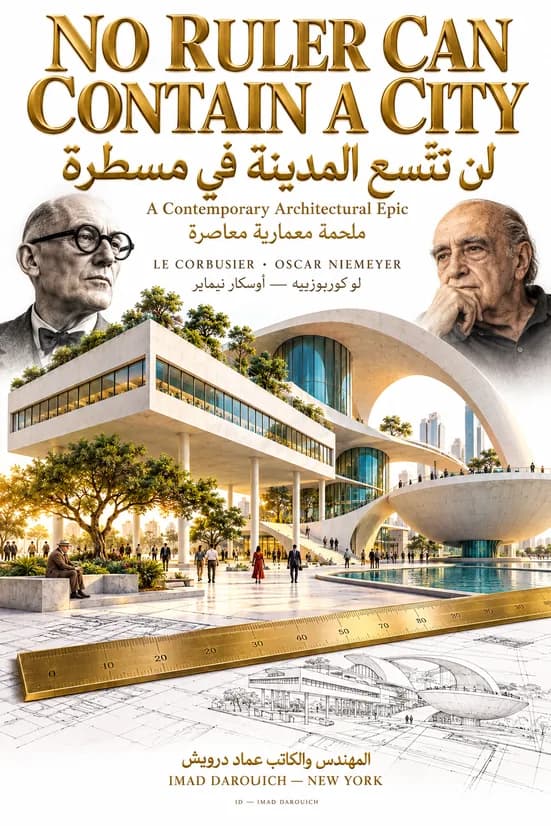
Le Corbusier and Oscar Niemeyer worked together twice: on the Ministry of Education and Health in Rio de Janeiro, designed in 1936, and on the design of the United Nations Headquarters in New York in 1947. Imad's prose poem sets Le Corbusier's volumes raised on columns beside Niemeyer's free concrete curve, then brings the plan down to the pavement to ask who will walk, rest and enter there.
لو كوربوزييه وأوسكار نيمايرLe Corbusier and Oscar Niemeyer
ملحمة معمارية معاصرةA Contemporary Architectural Epic
A Note
تنويه
نصٌّ أدبي يستلهم لغة المعماريَّين؛ الصور والتأويلات رؤيا الكاتب، وليست أقوالًا منسوبةً إليهما.A literary work inspired by the two architects’ design languages; its imagery and interpretations belong to the writer and are not quotations attributed to them.
The Introduction
المقدمة
أنا عماد درويش.I am Imad Darouich.
أضع المسطرةَ على الورق، فتظهر حدودُ المبنى.I place a ruler on paper, and the building’s boundaries appear.
أرفع عينيَّ إلى المدينة، فتبدأ الأسئلة.I raise my eyes to the city, and the questions begin.
كيف يدخل هذا العمرُ كلُّه في غرفة؟How does an entire lifetime enter a room?
وأيُّ جدارٍ يحتمل أن يستند إليه إنسانٌ فقد وطنًا؟What wall can bear a person leaning against it after losing a homeland?
The Epic
الملحمة
عند لو كوربوزييه، ترتفع الكتلةُ على الأعمدة.With Le Corbusier, the volume rises on columns.
تُرفع الخرسانةُ، وتبقى الأرضُ قابلةً للعبور.Concrete is lifted, and the ground remains open to passage.
أرى في هذا الارتفاع سؤالًا عن حقِّ القدم في المدينة.In that elevation, I see a question about the foot’s right to the city.
الواجهةُ تمتدُّ أفقًا.The façade stretches into a horizon.
والنافذةُ الطويلة تقيس النهارَ على الجدار.The long window measures daylight across the wall.
لكن الإنسانَ الذي يسكن خلفها يحمل زمنًا لا تُظهره الواجهة.Yet the person living behind it carries a time the façade cannot reveal.
هنا تبدأ مسؤوليّتي.Here my responsibility begins.
أن أعرف مَن سيستيقظ في الضوء الذي أرسمه.To know who will wake in the light I draw.
ومَن سيحتاج إلى ظلٍّ حين يشتدُّ النهار.And who will need shade when the day grows harsh.
ثم تأتي انحناءةُ نيماير.Then comes Niemeyer’s curve.
تأخذ الخرسانةَ إلى حافّة ما نظنّه ممكنًا.It takes concrete to the edge of what we believe possible.
يرتفع القوسُ، ويبدو الهواءُ كأنّه يحمل وزنه.The arch rises, and the air seems to carry its weight.
أقف تحت هذا الامتداد.I stand beneath that span.
أشعر بثقل الحجر، وأرى خفّة الفكرة.I feel the weight of stone and see the lightness of thought.
كم يدًا عملت حتى بدا هذا السقفُ طليقًا؟How many hands worked before this roof could appear so free?
وكم حسابًا اختبأ داخل حركةٍ واحدة؟How many calculations lie hidden within a single gesture?
الدهشةُ لها أساسات.Wonder has foundations.
ولها عمّالٌ يعودون مساءً بأكتافٍ متعبة.And workers who return at night with weary shoulders.
أكتب أسماءهم في ذاكرتي قبل أن أكتب اسمَ المبنى.I write their names in my memory before I write the building’s name.
بين استقامةٍ تنظّم، وانحناءةٍ توسّع الخيال، أبحث عن موضع الإنسان.Between a straight line that orders and a curve that expands imagination, I search for the human being’s place.
أريده حاضرًا في أوّل خط.I want that person present in the first line.
الطفلُ الذي يحتاج إلى أرضٍ يركض عليها.The child who needs ground to run upon.
المسنُّ الذي يقطع الساحةَ على مراحل.The elderly person who crosses the square in stages.
والمرأةُ التي تحمل مشترياتها، وتبحث عن مدخلٍ قريب.The woman carrying her shopping, searching for a nearby entrance.
هؤلاء يعطون الهندسةَ أبعادَها التي لا تكفي الأرقامُ لشرحها.They give geometry dimensions that numbers alone cannot explain.
أنا أعرف المدنَ حين تُرى من الأعلى.I know cities as seen from above.
وأعرف كيف يُخفي ذلك الارتفاعُ وجعَ السير.And I know how that height conceals the pain of walking.
لذلك أهبط بمخطّطي إلى الرصيف.So I bring my plan down to the pavement.
أقيس المسافةَ بخطوةِ مَن يتعب.I measure distance by the step of someone who tires.
وأختبر جمالَ المدخل بقدرةِ مَن يصل على دخوله.I test the entrance’s beauty by whether the arriving person can enter.
لا أريد ساحةً تكتمل صورتُها حين تخلو.I do not want a square whose image becomes complete when it is empty.
أريدها قادرةً على احتمال الحياة.I want it capable of holding life.
مقعدًا تُترك عليه حقيبة.A bench where a bag can be set down.
ظلًّا يتّسع لشخصٍ إضافي.Shade with room for one more person.
وبابًا لا يجعل الوصولَ امتحانًا.And a door that does not turn arrival into a test.
The Ending
الخاتمة
يا ربّ، أعطِ أفكارنا اتّساعًا، وأعطِ أيدينا أمانةَ تحقيقها.O Lord, give our ideas breadth and our hands the integrity to realize them.
من لو كوربوزييه، أتأمّل قدرةَ النظام على تحرير المساحة.Through Le Corbusier, I consider order’s power to free space.
ومن نيماير، أتأمّل قدرةَ المنحنى على فتح أفقٍ جديد.Through Niemeyer, I consider the curve’s power to open a new horizon.
ثم أعود إلى الورقة.Then I return to the page.
أرسم السقفَ، وأحسب وزنَه.I draw the roof and calculate its weight.
أرسم البابَ، وأتخيّل أوّل يدٍ ستفتحه.I draw the door and imagine the first hand that will open it.
عند تلك اليد، يبدأ امتحانُ العمارة.At that hand, architecture’s test begins.
فكلُّ ما رفعناه فوق الأرض، عليه أن يجيب عن حياةٍ تجري تحتَه.For everything we raise above the ground must answer to a life unfolding beneath it.
Each architect has his own book, Le Corbusier: The Epic of the Man Who Wanted to Rebuild the World and Oscar Niemeyer: The Epic of the Free Curve, and the capitals they shaped go on trial in Oscar Niemeyer and Brasília and Le Corbusier and Chandigarh.
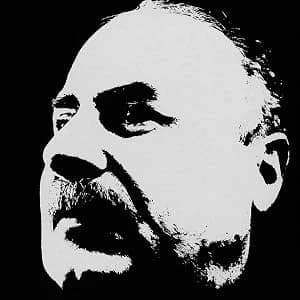
بقلم
Architect Imad Darouich
المهندس المعماري عماد درويش
مهندس معماري وكاتب ومؤسس 3DEPICS، يقيم في نيويورك. يكتب أدبًا ملحميًا يعبر الحدود واللغات والجغرافيا، حيث تلتقي الفلسفة بالعمارة، والروحانية بالتاريخ، والذاكرة بالخيال.