Beyond the Body: A Poem About Fasting
الصيام: ما بعد الجسد
Imad answers the view that fasting is a matter of the body: the real fast, he writes, begins where no one is watching.
بقلم المهندس المعماري عماد درويش3 دقائق قراءة
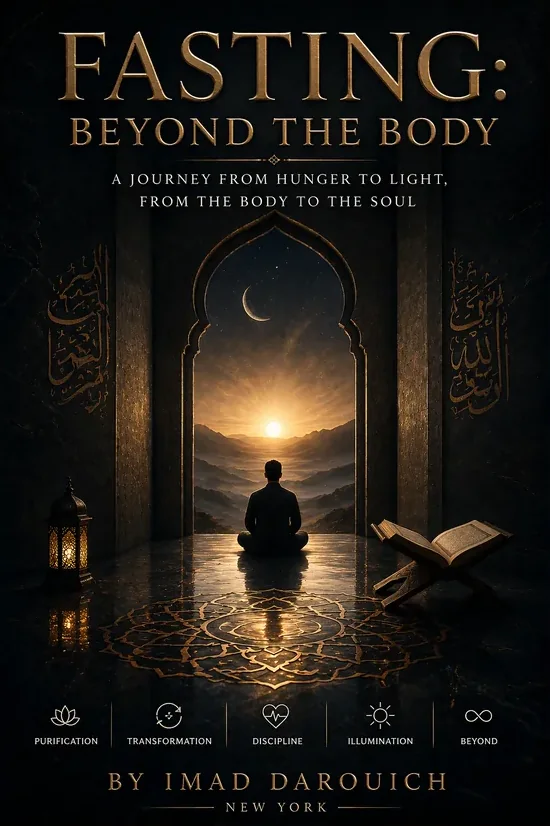
Imad wrote this poem about fasting as a reply to someone who described the fast as a relationship with the body and cited Friedrich Nietzsche's will to power and the philosopher Michel Foucault. In Islam, fasting means going without food and drink from dawn to sunset, and the fast of Ramadan is one of the five pillars. The poem answers that the fast is tested where no one can see it.
Introduction
مقدمة
ليس كل ما يُفهم… يُدركNot everything understood… is truly realized
الصيام ليس فكرة تُكتبFasting is not an idea to be written
ولا تجربة تُحلَّلNor an experience to be analyzed
إنه لحظة مواجهةIt is a moment of confrontation
بين من تظن أنك أنتBetween who you think you are
ومن أنت حقًاAnd who you truly are
في هذا النصIn this text
لا نناقش الصيامWe do not debate fasting
بل نكشف حدودهWe uncover its limits
حيث ينتهي الجسدWhere the body ends
ويبدأ المعنىAnd meaning begins
الصيام: ما بعد الجسد
تقولين: الصيام علاقة مع الجسدYou say: fasting is a relationship with the body
لكن الجسد… ليس الأصلBut the body… is not the origin
لو كان الجسد هو القضيةIf the body were the issue
لكان الجوع فلسفة… لا عبادةHunger would be philosophy… not worship
العامل الذي لم يأكل يومينThe worker who has not eaten for two days
لم يصبح صائمًاDoes not become a faster
والمريض الذي حُرم الطعامThe patient deprived of food
لم يدخل باب الطاعةHas not entered the gate of devotion
الصيام ليس “أن لا تأكل”Fasting is not “not eating”
بل أن تعرف… لماذا لا تأكلBut to know… why you do not eat
أنتِ تتحدثين عن الإرادةYou speak of will
لكن الإرادة وحدها… قد تقود إلى الغرورBut will alone… can lead to arrogance
كم من إنسان يضبط نفسهHow many discipline themselves
ليُعجب بنفسه… لا بربهTo admire themselves… not their Lord
هنا يسقط تعريف القوةHere the definition of power collapses
ليس كل من امتنع… قويNot everyone who abstains is strong
المدخن الذي يصبر ساعاتThe smoker who endures hours
ليس زاهدًا… بل مؤجِّلًاIs not ascetic… but postponing
والرياضي الذي يتحكم بجسدهThe athlete who controls his body
ليس بالضرورة أقرب إلى الحقيقةIs not necessarily closer to truth
ذكرتِ Friedrich NietzscheYou mentioned Friedrich Nietzsche
إرادة القوةThe will to power
لكن ماذا عن إرادة التخلّي؟But what of the will to relinquish?
أن تملك الرغبة… ثم تتركها للهTo possess desire… then leave it for God
هذا ليس تنظيمًا… بل انكسارًا واعيًاThis is not regulation… but conscious surrender
وذكرتِ Michel FoucaultAnd you mentioned Michel Foucault
تقنيات الجسدTechnologies of the body
لكن الصيام ليس تقنيةBut fasting is not a technique
لأن التقنية تُمارس أمام الناسBecause technique is performed before others
أما الصيام… فيُختبر في الخفاءBut fasting… is tested in secrecy
لو أغلقت الأبوابIf all doors are closed
ولا أحد يراكAnd no one sees you
هل تبقى صائمًا؟Do you remain fasting?
هنا يبدأ الصيامHere fasting begins
لا عند الجوع… بل عند الغيابNot at hunger… but at absence
الجسد يصرخThe body screams
والماء أمامكAnd water is before you
ولا أحد يمنعكAnd no one stops you
ومع ذلك… لا تشربAnd yet… you do not drink
أي فلسفة تفسر هذا؟What philosophy explains this?
أي تحليل جسدي يكفي؟What bodily analysis is sufficient?
هذا ليس ضبطًا للسلوكThis is not behavioral control
بل علاقة مع من لا يُرىBut a relationship with the unseen
الصيام ليس سيطرة على الجسدFasting is not control over the body
بل اعتراف أن الجسد… ليس السيدBut an admission that the body… is not the master
ليس لأنك أقوى منهNot because you are stronger
بل لأنك عرفت من هو الأقوىBut because you knew who is greater
هنا الفرق كلهHere lies the entire difference
بين من يفكّر في الصيامBetween one who analyzes fasting
ومن يُستدعى إليهAnd one who is called into it
الصيام ليس فكرة تُحلّلFasting is not an idea to be analyzed
بل حضور يُعاشBut a presence to be lived
وكل فلسفة… مهما ارتفعتAnd every philosophy… no matter how high
تتوقف عند البابStops at the door
أما الصائم… فيدخلBut the fasting one… enters
The inner side of faith returns in Testament of Love: Mystical Poems Inspired by Rumi's Mathnawi, twenty Sufi poems drawn from Rumi, in the faith and spirit collection.
بقلم
Architect Imad Darouich
المهندس المعماري عماد درويش
مهندس معماري وكاتب ومؤسس 3DEPICS، يقيم في نيويورك. يكتب أدبًا ملحميًا يعبر الحدود واللغات والجغرافيا، حيث تلتقي الفلسفة بالعمارة، والروحانية بالتاريخ، والذاكرة بالخيال.